Starting your RV journey is incredible exciting and full of adventure. But, many first-time RV owners find the learning curve steep. We get it because we’ve all been there.
The most common RVing mistakes include bad trip planning and overpacking. Not checking systems and ignoring weight limits are also big no-nos. Plus, skipping maintenance can lead to expensive fixes later.
Our RV community welcomes newcomers with open arms and lots of advice. We’ve all made these mistakes early on. The trick is learning from those who’ve already overcome these hurdles.
This guide will help you dodge the most frequent pitfalls that catch beginners off guard. We’ll share practical tips and insider advice to make your RV journey smooth and fun from the start.
Key Takeaways
- Plan your trips thoroughly, including route research and campground reservations
- Respect weight limits and distribute cargo evenly throughout your RV
- Perform pre-trip system checks on water, electrical, and propane systems
- Practice driving and backing techniques in safe, open areas before hitting the road
- Establish a regular maintenance schedule to prevent costly breakdowns
- Connect with experienced RVers for guidance and community support
Underestimating the Time Needed for Preparation
Many new RV fans find out too late that getting ready for a trip takes more time than they thought. This is one of the common RVing errors we see a lot. The excitement of planning your first trip can make you rush, leading to stress on the road.
We suggest setting aside two to three weeks for good preparation before you leave. This time lets you research your route, book places to stay, and organize your stuff without feeling rushed. Proper preparation turns bad situations into great memories.
Planning Your Route in Advance
Planning your route is more than just picking a destination. We’ve found that good RV trips need you to research RV-friendly roads and possible dangers on your way. Many roads have rules that surprise new RVers.
Use an RV-specific GPS or app that considers your vehicle’s size and weight. These tools help you avoid roads that are too low, too heavy, or too steep. Also, find rest stops, gas stations, and emergency services on your route.
Weather is key when planning your route. Look at forecasts for your whole trip, not just where you’re going. Mountain passes can be risky in winter, and desert routes are hard in extreme heat. Being flexible with your plans helps you deal with unexpected weather.
Packing Essentials vs. Non-Essentials
One of our best RVing tips is to pack smart. New RVers often pack too much, forgetting RVs have weight and space limits. This can cause problems and safety risks.
First, pack safety gear, basic tools, and must-have supplies. Don’t sacrifice these for comfort items. Most RVs have what you need, so you don’t have to bring everything from home.
| Essential Items | Non-Essential Items | Priority Level |
|---|---|---|
| First aid kit, fire extinguisher, basic tools | Multiple kitchen gadgets, excess clothing | High vs. Low |
| Water hose, electrical adapters, leveling blocks | Decorative items, extra furniture | High vs. Low |
| Emergency supplies, flashlights, batteries | Books, games, hobby supplies | High vs. Medium |
| Cleaning supplies, toilet paper, personal hygiene | Specialty cooking equipment | High vs. Low |
Make detailed packing lists early. This stops last-minute packing and helps you choose wisely what to bring. Remember, you can buy things you forget on the road. But, taking out extra weight is hard once you’re moving.
Ignoring Weight Limits and Balance
Many new RVers learn about weight limits the hard way. They face costly repairs and dangerous situations. This is one of the biggest New RVer Blunders that can ruin your vacation. Proper weight management keeps you and your family safe.
Beginners often think they can pack whatever fits. But this leads to overloaded vehicles that are hard to control. We’ve seen RVs with blown tires, damaged frames, and breakdowns because of ignored weight rules.
The Importance of Knowing Your RV’s Capacities
Your RV’s Gross Vehicle Weight Rating (GVWR) shows its maximum safe weight. This includes everything: your empty RV, cargo, passengers, and full water tanks. Always find this rating on your RV’s label before loading.
Water weighs about 8 pounds per gallon. A full 40-gallon freshwater tank adds 320 pounds. Don’t forget to calculate the weight of your gray and black water tanks too.
Visit a truck scale with your RV to get an accurate weight. Many truck stops have scales for a small fee. This step helps you Avoid RV Beginner Mistakes and avoid expensive repairs or dangerous driving.
How to Distribute Weight Effectively
Proper weight distribution prevents trailer sway and makes RVs easier to control. We use a simple rule: heavy items go low and centered over the axles. This keeps your RV stable and reduces stress on the frame and tires.
Here’s our proven weight distribution strategy:
- Place heavy items like tools and canned goods in lower cabinets
- Store lighter items like clothing and bedding in upper compartments
- Keep weight balanced from side to side
- Avoid storing heavy items in the rear of the RV
Poor weight distribution affects handling and causes premature tire wear, brake problems, and structural damage. We’ve seen expensive repairs that could have been prevented with proper loading.
Remember, weight distribution changes as you use water and dump tanks. Check your balance regularly and adjust your cargo placement as needed. Proper weight distribution makes your RV safer and more enjoyable to drive.
Skipping the Pre-Trip Checklist
Many RVers have driven off with thousands of dollars in damage. This is because they didn’t use a checklist. A good checklist is your safety net against big mistakes and dangers on the road.
Not using a checklist can lead to big problems. RVers have damaged awnings, broken slide-outs, and even caused accidents. These issues could have been avoided with a quick checklist check.
“A good checklist is like a safety harness for your RV adventure—it might seem unnecessary until you need it, but when you do, it can save your life and your wallet.”
Essential Items to Include in Your Checklist
Your checklist should cover both inside and outside your RV. Inside, make sure all loose items are secure. Latch the refrigerator door tightly and keep small appliances in the sink.
Check that cabinet doors and drawers are closed. Turn off the water heater and close all faucets. This RVing advice helps avoid water damage and saves weight.
For outside items, your checklist should include:
- Retract all slide-outs completely
- Raise stabilizer jacks and wheel chocks
- Disconnect all utilities (water, electric, sewer)
- Secure and lock all storage compartments
- Raise TV antenna and satellite dish
- Fold in steps and retract awnings
Do a final walk-around before leaving. This step catches anything your checklist might have missed. Check tire pressure and look for any obvious issues.
Importance of Maintenance Checks
Regular maintenance checks are key to your pre-trip routine. These steps follow important RVing do’s and don’ts that seasoned travelers recommend. Check your roof for damage, cracks, or loose materials.
Look at all seals and caulking around windows, doors, and roof fixtures. Water damage from bad seals can cost a lot and cause mold. Check your tires for proper inflation and any damage.
Test your safety systems too. Make sure smoke detectors, carbon monoxide alarms, and propane detectors work. Also, check that your fire extinguisher is charged and easy to reach.
Make a checklist that fits your RV model and travel style. While generic checklists are helpful, a custom one will cover your RV’s unique needs. This approach is the best RVing advice for avoiding expensive mistakes and ensuring safe trips.
Not Familiarizing Yourself with the RV
Many first-time RVers struggle because they didn’t learn about their vehicle. Your RV is not just a car or truck. It’s a complex mobile home that needs special knowledge and skills to use safely.
Think of your RV as a house on wheels with many systems to watch. From water tanks to electrical networks, each part is important for your comfort and safety. The biggest mistake new owners make is assuming they can figure everything out on the road.
Before your first trip, spend time learning about your RV. This will make your travel fun, not stressful. These RV travel tips will help you avoid common mistakes that beginners often make.
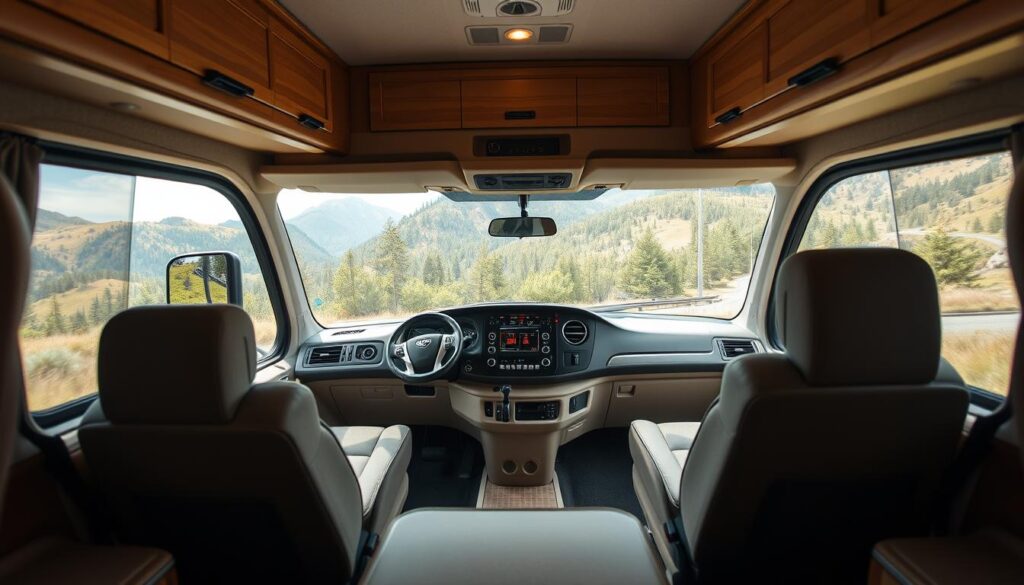
Taking a Test Drive Before the Trip
We always suggest taking your RV to a big, empty parking lot first. This lets you practice without worrying about traffic or tight spaces. Unless you’re a bus driver in real life, maneuvering an RV presents unique challenges.
Start by getting used to basic movements. Drive slowly in straight lines and gentle curves. Notice how your RV reacts to steering inputs. The delayed response can surprise new drivers.
Practice backing up a lot during your test drive. This skill is key when setting up at campsites. Use traffic cones or markers to make mock camping spots. Most RV travel tips emphasize backing practice because it’s where many beginners struggle most.
Focus on understanding your RV’s turning radius and overhead clearance. These measurements help you know which routes you can safely take. Practice wide turns to avoid the rear swing that catches many newcomers off guard.
Understanding RV Systems and Controls
Your owner’s manual is very important. We encourage every new RV owner to read it from start to end. This document contains specific information about your RV’s unique features and systems.
Learn how your water, electrical, and waste systems work together. Find out where your shut-off valves and circuit breakers are. Know how to use your appliances and their special quirks. Each RV model is different, so don’t assume your experience with one applies to another.
Get to know special features like slide-outs, awnings, and leveling systems. Practice extending and retracting these parts many times. Understanding these systems before your trip prevents countless problems on the road.
Spend time learning your RV’s dashboard controls and monitoring systems. Know what each gauge and warning light means. Understanding these indicators helps you catch problems early and avoid expensive repairs.
| System Component | Key Learning Points | Practice Frequency | Common Issues |
|---|---|---|---|
| Water System | Tank levels, pump operation, winterization | Before each trip | Frozen pipes, pump failure |
| Electrical System | Battery monitoring, inverter use, shore power | Weekly during season | Dead batteries, blown fuses |
| Waste System | Tank sensors, valve operation, cleaning | After each use | Clogged sensors, valve problems |
| Slide-outs | Extension/retraction, leveling requirements | Monthly maintenance | Motor failure, seal leaks |
Remember, every RV is different, even within the same brand and model year. Take time to understand your specific vehicle’s quirks and characteristics. This knowledge becomes your foundation for successful RV adventures and helps you troubleshoot issues when they arise.
Overlooking Campground Reservations
Not booking campground spots ahead of time can ruin your RV trip. It’s a big mistake, top mistakes new RVers make, during busy times. Without reservations, you might end up sleeping in your RV in a parking lot.
Peak season is tough. From Memorial Day to Labor Day, spots fill up months early. Weekends go first, then weekdays. National parks and scenic spots are hard to get without planning ahead.
Holiday weekends are the hardest. Many RVers find out too late that all spots are taken. First-come, first-served sites mean you must arrive early, often before dawn.
Finding the Right Campgrounds for Your Needs
Not every campground fits every RV. It’s key to research before booking. Look at these important things:
- Maximum RV length restrictions – Many state parks limit RVs to 30 feet or less
- Site configuration – Pull-through sites are better for big RVs than back-in
- Hookup availability – Full hookups include water, electric, and sewer
- Ground conditions – Some sites get muddy or unstable in wet weather
Private campgrounds are more flexible for big RVs. State and national parks have size limits but offer great nature. KOA campgrounds are reliable for new RVers.
Check recent reviews from RVers. They share about road conditions, site spacing, and staff help. Photos in reviews show real site conditions better than websites.
Securing Your Spot Before You Travel
Early planning is key for good reservations. Popular spots open bookings up to a year early. Make accounts on big reservation sites before you need them:
- Recreation.gov – Handles most federal campgrounds and state parks
- ReserveAmerica – Covers many state park systems
- KOA.com – Private campground chain with consistent amenities
- Campspot – Growing network of private campgrounds
Set up alerts for your dates and places. Many sites notify you of cancellations. Call campgrounds directly for sites not online.
Be flexible with your plans. Having backup campgrounds helps when your first choice is full. Stay a bit outside popular areas for better spots and prices.
Failing to Plan for Waste Disposal
Many RVers make mistakes, but not planning for waste disposal is a big one. It can ruin your trip. Knowing how to handle waste keeps your vacation safe and fun.
Check your tanks often to keep water clean and avoid bad smells. This stops messy overflows. RV maintenance prevents big repairs and makes your gear last longer.
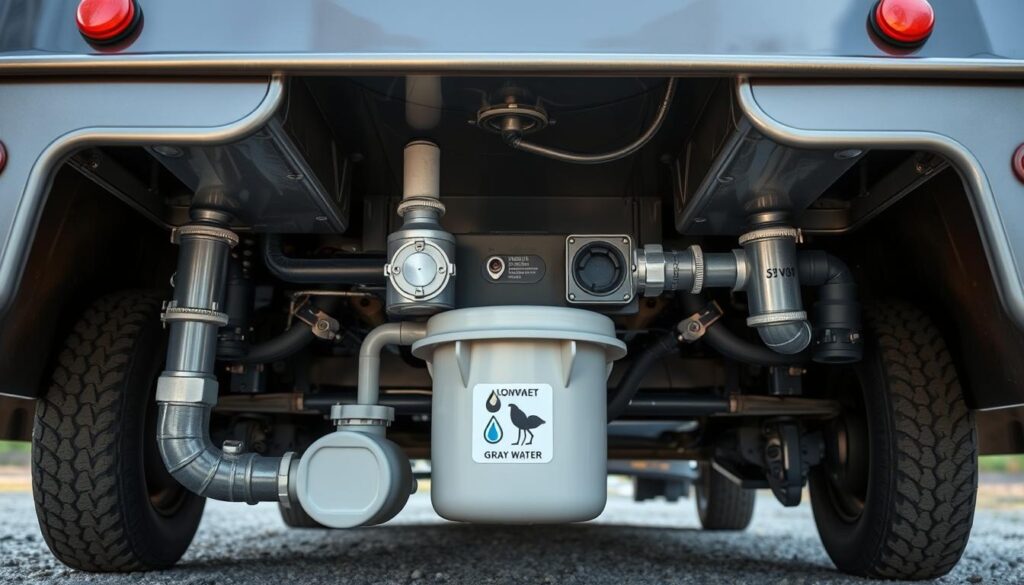
Understanding RV Sewage Systems
Your RV has two waste water systems. The black tank is for toilet waste, and the gray tank is for sink and shower water. Each needs special care.
Watch both tanks closely to avoid overflows. Tank level indicators are helpful, but they can fail. Learn to judge levels by sound and flow.
Knowing your tank sizes helps avoid damage. RV tanks range from 20 to 100 gallons. Never fill tanks to 100% to avoid problems.
| Tank Type | Contents | Dumping Frequency | Special Considerations |
|---|---|---|---|
| Black Water | Toilet waste and paper | Every 3-5 days | Use RV toilet paper only |
| Gray Water | Sink and shower water | Every 2-3 days | Avoid grease and food particles |
| Fresh Water | Clean drinking water | Refill as needed | Sanitize tank quarterly |
Best Practices for Waste Management
Use RV toilet paper that breaks down well. Add tank treatments to control smells. Never dump tanks when they’re less than two-thirds full for better cleaning.
Plan your route to find dump stations. Campgrounds, truck stops, and RV stores have them. Research ahead to avoid last-minute searches.
Get a good sewer hose kit and wear gloves when dumping. Dump black water first, then gray. Keep tanks closed while camping to avoid odors.
At first, managing waste might seem hard. But with practice, it becomes easy. Then, waste disposal is just part of enjoying RV life.
Neglecting Safety Precautions
One of the most dangerous common RVing errors is ignoring basic safety steps. It’s vital to put safety first when RVing. A fun trip can quickly become dangerous without the right prep.
Being ready for emergencies is smart, not paranoid. Anything can happen on the road. So, always pack essential safety gear. Your RV should never hit the road without the right emergency supplies and safety equipment.
Essential Safety Gear for RV Travelers
Every RV traveler needs a safety kit for emergencies. Start with these essential items that could save your life:
- Well-stocked first aid kit with bandages, medications, and emergency medical supplies
- Fire extinguisher that’s properly mounted and regularly inspected
- Emergency tools including flashlights with extra batteries
- Basic tool kit for minor repairs and maintenance issues
- Emergency supplies like extra water, non-perishable food, and blankets
Carry a battery-powered radio for emergency calls. RV tools like leveling blocks, hoses, and towing chains should be easy to find. These items are not just handy – they’re lifesavers when emergencies strike.
Think about taking emergency communication devices like a satellite communicator for remote areas. Extra water and non-perishable food can keep you going during unexpected delays. Blankets offer warmth and comfort in emergencies.
Understanding Fire and Carbon Monoxide Alarms
Your RV’s fire and carbon monoxide alarms are key to your safety. These devices are lifesavers, so test them before each trip. Always replace batteries and know the sounds of each alarm.
Carbon monoxide is very dangerous because it has no smell or color. Make sure your detector works and never use gas appliances without good air flow. Carry a portable CO detector as extra protection.
Fire safety in your RV is always important. Know where your fire extinguisher is and keep flammable stuff stored right. Never leave cooking or heating appliances alone – this rule helps prevent most RV fires.
Make and practice an emergency evacuation plan with your family. Everyone should know the quickest ways out of your RV. Having a plan helps avoid panic and saves time in real emergencies.
Assuming All Campgrounds Are Equal
We’ve learned the hard way that assuming all campgrounds are the same can lead to big disappointment. This is one of the biggest new RVer blunders. Different campgrounds meet different needs, RV sizes, and comfort levels.
Each campground offers a unique experience. Some have luxury amenities, while others have basic sites in beautiful nature. Knowing this before booking can save you from bad surprises and make your trip better.
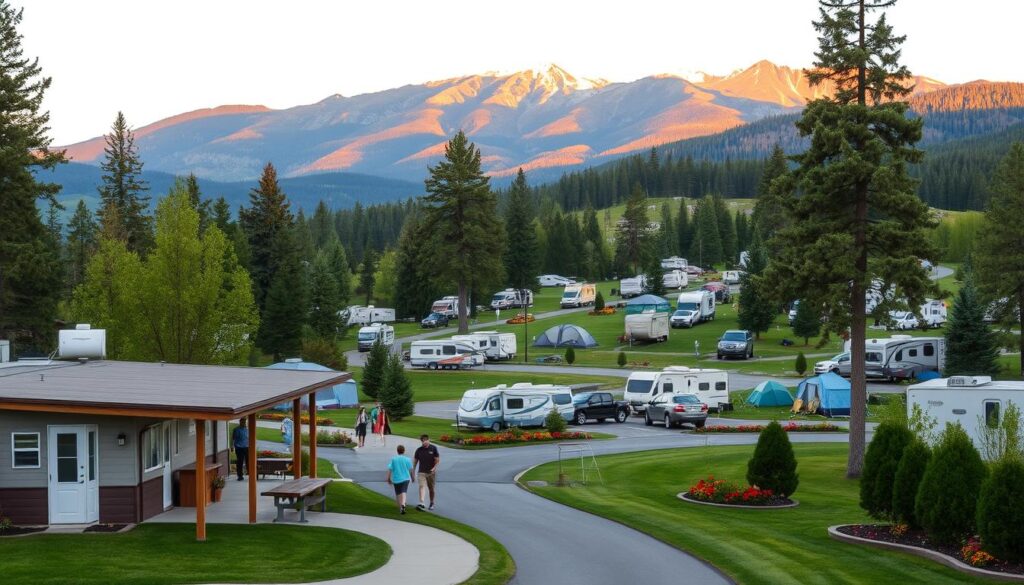
What Amenities You Might Need
Before picking a campground, make a list of your must-have amenities. Think about what your RV can do and what you need for comfort. Decide if you need full hookups or if you can camp without them.
Ask yourself these important questions:
- Do you need reliable Wi-Fi for work or staying connected?
- Will you need laundry facilities during your stay?
- Are recreational amenities like pools or playgrounds important for your family?
- Do you want organized activities and social opportunities?
- Is a camp store necessary for convenience shopping?
Many new RVer blunders happen when people don’t match their needs with the campground’s offerings. We’ve seen families arrive at remote sites expecting full amenities, only to find they’re missing basic services.
Types of Campgrounds to Consider
Knowing your options helps you make better choices. Each type has its own pros and cons that can change your experience.
Luxury RV resorts have the most amenities and services. They have pools, spas, golf courses, and activities. They can handle big RVs and offer full hookups, but they cost more.
State and national parks have stunning beauty and outdoor fun. But they limit RVs to 30 feet and may not have hookups. They fill up fast, so book early.
Private campgrounds offer more flexibility and services than public parks. They can handle big RVs and have reliable amenities, but they might not be as scenic.
Boondocking sites are for adventurous RVers who want to camp off-grid. They offer quiet and nature but need self-sufficient RVs and few amenities.
Do your research, read recent reviews, and call ahead to ask about site sizes, amenities, and any rules that might affect your stay.
Always check RV length limits before booking. Many parks limit RVs to under 30 feet. This can ruin your plans if you have a bigger RV.
Packing Too Much Gear
Many new RVers treat their RV like a moving storage unit. They pack everything they might need. They think they have all that storage space.
Wrong! Overpacking is a big mistake. It makes your RV hard to handle and strains tires and suspension. It can even be dangerous in windy or uneven places.
Most RVs come with basic kitchen stuff, bedding, and furniture. You don’t need to bring duplicates from home. Don’t fill your living area with too many items for safety.
Embracing Smart Packing Strategies
Being smart about what you need doesn’t mean sacrificing comfort. Pack one set of dishes per person and versatile clothes. This way, you can mix and match.
Multi-purpose items are great on the road. A cutting board that doubles as a serving tray saves space. Collapsible containers are better than rigid ones. These RVing tips help you use every inch of storage.
Follow the “one in, one out” rule to avoid clutter. If you buy something new, get rid of something else. This keeps your RV tidy.
Efficient Organization Methods
Use square containers to pack and organize efficiently. Vacuum-sealed bags are great for clothes and linens. Clear bins let you see what’s inside without digging.
Make the most of every space. Use under-bed storage, overhead compartments, and inside appliances for your gear. Create homes for everything and stick to your system.
Here are our favorite RVing tips for staying organized:
- Label everything clearly with waterproof labels
- Keep frequently used items in easy-to-reach spots
- Store heavy items low and toward the front
- Use drawer organizers to prevent items from sliding around
| Storage Area | Best Items to Store | Weight Considerations | Organization Tips |
|---|---|---|---|
| Overhead Compartments | Lightweight linens, clothing, pillows | Keep under 20 lbs per compartment | Use clear bins with secure lids |
| Under-Bed Storage | Seasonal clothes, extra bedding | Distribute weight evenly | Vacuum-sealed bags save space |
| Kitchen Cabinets | Non-perishable food, dishes | Secure heavy items during travel | Use shelf liners and cabinet locks |
| Basement Storage | Tools, outdoor gear, water hoses | Heaviest items go here | Organize by frequency of use |
An overloaded RV can sway or tip on uneven surfaces. It’s tempting to over-pack with all the space. But, an RV feels cramped when things aren’t stored neatly.
Efficient packing and organization save space and make your RV feel like home. These strategies help you avoid RV beginner mistakes and keep your adventure safe and fun.
Not Staying Connected to the RV Community
The RV lifestyle is much better when you connect with others. The RV community is very welcoming and helpful. Missing out on this community means losing out on great RVing advice, friends, and support.
Making mistakes is normal for RVers. Everyone makes mistakes. But, the RV community is always ready to help newcomers.
Benefits of Joining RV Clubs and Forums
Joining RV clubs and forums can change your RV experience. You’ll meet experienced RVers who share their RV travel tips. They offer advice on routes, destinations, and solving problems.
Clubs like Kampgrounds of America offer big savings. Good Sam provides roadside help and discounts. FMCA is great for motorhome owners.
“The RV community truly embodies the spirit of adventure and mutual support that makes this lifestyle so special.”
Online forums are always open for advice and info. They’re your top resource for RV tips and travel ideas.
| RV Club/Forum | Primary Benefits | Best For | Cost |
|---|---|---|---|
| Good Sam Club | Roadside assistance, campground discounts | All RV types | Annual membership |
| KOA Rewards | Points system, exclusive discounts | KOA campground users | Free to join |
| FMCA | Motorhome-specific resources, rallies | Motorhome owners | Annual membership |
| Online RV Forums | 24/7 advice, brand-specific help | All experience levels | Usually free |
How to Connect with Other RVers
Connecting with RVers is easy and fun. Start talking at campgrounds. RVers are friendly and love to share.
Go to RV rallies and shows. These events are great for meeting people. You’ll find new products and learn from others.
Join Facebook groups for RVers. These groups are full of people who love RVing. You can get RVing advice and share your adventures.
Ask questions on online forums. RVers are always willing to help. Don’t be shy about asking for help.
Just take the first step to connect. Joining RV clubs or saying hello to neighbors can make your RV trips better. The RV travel tips and friends you make are priceless.
Skipping Out on Local Experiences
One big RVing do’s and don’ts is to dive into local culture. Don’t just use your RV as a mobile hotel room. Many new RVers stay put at campgrounds and miss out on the best parts of RV travel.
Importance of Exploring Local Attractions
Your RV lets you find hidden gems that tourists often miss. Always look up local museums, farmers markets, and historical sites before you go. Small towns have the most unforgettable experiences, like family diners and unique festivals.
From Memorial Day to Labor Day, popular spots get really busy. So, finding local secrets is even more special for real experiences.
Finding Unique Experiences Off the Beaten Path
The best adventures come from talking to locals and other RVers. Check out community boards, talk to campground hosts, and look at local social media for tips.
Don’t be afraid to take scenic detours or go to local events. Your RV lets you stay longer in places you love and leave quickly if you don’t. This freedom helps you make adventures that no guidebook can match.
Remember, the key to great RVing is being open to new discoveries. Each journey should be unique.