Choosing your perfect recreational vehicle is a big decision. Many travelers say the enormous cost difference between new and used is key.
A couple told us they wish they’d picked a used RV instead of new. The substantial savings could have funded more adventures.
Deciding can feel tough. Our RV buying guide covers everything you need to know. We’ll look at real experiences, money matters, and practical tips.
Whether you’re new to RVs or upgrading, we’ve got you covered. Our guide aims to help you make the best choice for your future travels.
Key Takeaways
- Cost differences between fresh and pre-owned recreational vehicles can be substantial, often reaching tens of thousands of dollars
- Many experienced travelers recommend considering pre-owned options for significant financial savings
- Your decision should align with your budget, lifestyle, and long-term travel goals
- Real-world experiences from current owners provide valuable insights for your purchase decision
- Both options offer distinct advantages depending on your specific needs and circumstances
- Financial considerations extend beyond the initial purchase to include maintenance, insurance, and depreciation
Introduction to RV Buying Decisions
Deciding between a new RV vs used RV is a big choice. It affects your first cost and how happy you’ll be with your RV. It’s more than just the price.
The RV market has changed a lot. Now, we have more info and choices online. This makes it easier to make smart choices.
Importance of Choosing the Right RV
Your RV choice affects your travel. The right one makes trips better and safe. The wrong one can cause big problems.
Many buyers make quick choices without thinking about the future. Financial stability depends on the right start. Your RV should match your travel plans and budget.
Choosing wisely also means thinking about your family’s safety and comfort. New RVs have the latest safety and comfort features. But, older RVs can be great if well taken care of.
Overview of New vs. Used RV Market
Today, we have clear info online about RVs. RV Trader and RVUSA have lots of listings. This makes comparing prices easier than visiting dealers.
NADA Guides helps find fair prices. It’s like Kelley Blue Book for RVs. This helps buyers and sellers know fair values.
New RVs offer the latest tech and warranties. Used RVs have great features at lower prices. Each has its own benefits.
| Market Resource | Primary Function | Coverage Area | Key Benefit |
|---|---|---|---|
| RV Trader | Listing Platform | Nationwide | Extensive Inventory |
| RVUSA | Marketplace | United States | Dealer Network |
| NADA Guides | Valuation Tool | National Standards | Fair Market Pricing |
| Local Dealerships | Sales & Service | Regional | Personal Service |
Digital tools have changed how we buy RVs. We can now look at options from home. This helps find the best deals anywhere.
There are benefits for both new and used RVs. Each meets different needs and budgets. Knowing this helps in negotiations.
Whether you want a new RV or a used one, today’s market has tools for success. We’ll guide you through these resources as you buy.
Pros of Buying a New RV
New RVs have many benefits that attract lots of people. When you compare new vs pre-owned RVs, buying new is clear. It’s not just about looking new and having no history.
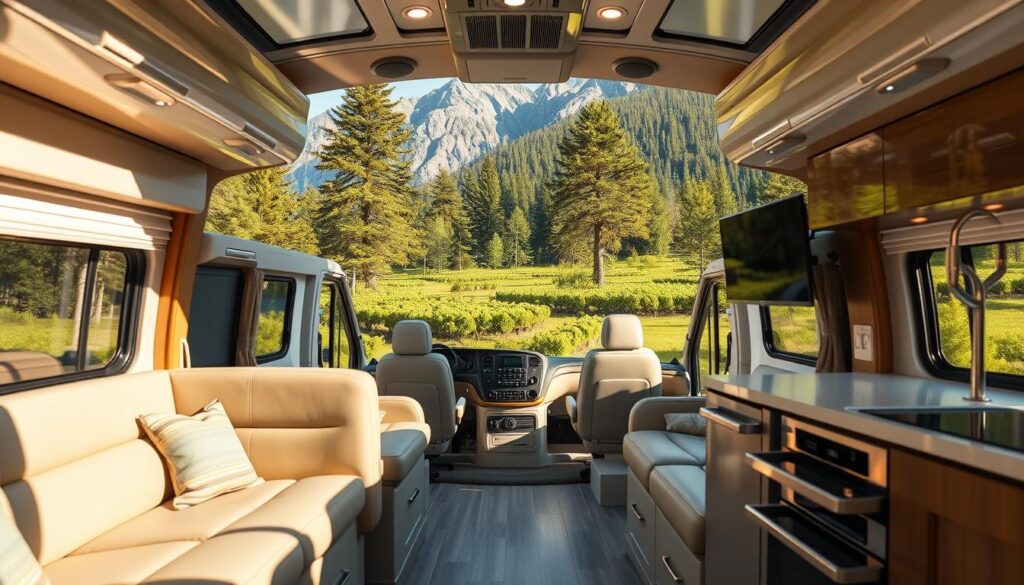
New RVs give you peace of mind. They come with the latest features, warranties, and options for personalizing. This is great for both new and seasoned RV owners.
Latest Features and Technology
Modern RVs have advanced technological systems. These systems change the camping experience. They improve climate control, entertainment, and energy use.
Now, you can control your RV with a smartphone app. Solar power systems are better and cheaper. This lets you go off-grid longer. These RV purchase tips show how tech makes RV life better.
RVs now have special navigation to avoid bad roads. They also have better backup cameras and safety systems. These features weren’t in older RVs.
Warranty and Reliability
Warranties on new RVs cover big parts for one year or 15,000 miles. This protects your investment when it’s new. It gives new owners peace of mind about possible problems.
Warranty coverage goes beyond just repairs. It includes roadside help and emergency services. You can also get extended warranties for more years. This is key for long trips when comparing new vs pre-owned RVs.
“The peace of mind that comes with a full manufacturer warranty is priceless when you’re hundreds of miles from home.”
Customization Options
New RVs let you choose many things. You can pick floor plans, interior looks, and extra features. This means your RV fits your needs perfectly, without needing expensive changes later.
There are many upgrade packages for things like appliances and furniture. You can choose colors, floors, and cabinets to match your style. These RV purchase tips show the value of getting what you want from the start.
You can also get special options like better solar, sound systems, or storage. These options aren’t available in used RVs.
Cons of Buying a New RV
Buying a new RV comes with big challenges. It’s not just the high price tag. These issues can hurt your wallet and make you unhappy. They often surprise buyers and can last a long time.
Knowing these problems helps you make a smart choice. Many buyers get too excited about new features and forget about the money. The true cost of RV ownership goes beyond the price. New RVs make these costs worse.
Higher Initial Costs
The biggest problem with buying a motorhome is the high upfront cost. New RVs are expensive, which can hurt your budget. Families might have to choose smaller RVs or fewer features to save money.
These high prices lead to more costs later. You’ll pay more for loans, insurance, and registration. The initial cost is just the start of your financial commitment.
High prices mean tough choices. You might pick a smaller RV or fewer features to fit your budget. We’ve seen buyers overspend on a new RV, then can’t afford extras for comfortable travel.
Rapid Depreciation
New RVs lose a lot of value right away. New RVs can lose up to 20% of their value as soon as they leave the dealer. This quick loss in value can be very hard on your wallet, even more so if you’re financing.
For example, a $250,000 diesel pusher loses about $50,000 in value right after you buy it. That’s like losing the value of a luxury car before you even camp for the first time. This loss can leave you in a bad financial spot.
The value drop doesn’t slow down. In the first three years, most new RVs lose 30-40% of their value. This means selling your RV later can cost you a lot of money. It can also affect your future travel plans.
Limited Availability
There are not enough RVs to go around, and it takes a long time to get one. Popular models often have long wait times, sometimes over a year. We’ve seen buyers wait a year or more for their RV, only to find out the price or features have changed.
This lack of RVs means you might have to settle for less. You might choose a different layout or miss out on features you want. These compromises can make you regret your purchase and lead to expensive changes later.
Dealers also have more power because there are fewer RVs. This means you might have to pay full price without getting a good deal. This is even worse during busy seasons when demand is high.
| Cost Factor | New RV Impact | Financial Consequence | Long-term Effect |
|---|---|---|---|
| Purchase Price | Premium pricing | Higher loan payments | Reduced travel budget |
| Immediate Depreciation | 20% value loss | Negative equity | Limited selling options |
| Insurance Costs | Higher premiums | Increased monthly expenses | Ongoing financial burden |
| Opportunity Cost | Capital tied up | Lost investment opportunity | Reduced financial flexibility |
These downsides greatly affect the pros and cons of buying a motorhome. Many buyers find their RV doesn’t meet their needs within a year or two. They’re stuck because of depreciation and loan terms. The high costs, quick value loss, and limited availability make buying a new RV tough.
We suggest thinking carefully about these downsides before buying a new RV. Knowing these challenges can help you make a better choice. It can also help you avoid financial problems that could ruin your RV dreams for years.
Pros of Buying a Used RV
Used RVs offer great benefits that can change your RV experience. When looking at pros and cons of RV ownership, used vehicles have big advantages. They provide value that goes beyond just saving money.
The price differences between new and used RVs are big. Knowing these benefits helps you make smart choices about your RV.
Significant Cost Savings
Used RVs save you a lot of money. Buyers often find used RVs that are almost as good as new for 30-40% less. This means saving tens of thousands of dollars.
These savings give you financial freedom. You can use the money for travel, upgrades, or just saving. Buying used lets you get more RV for your money than buying new.
Used RVs also offer luxury features at better price points. Buying new often means paying too much for features found in used RVs.
Proven Performance Track Record
Used RVs have a real-world performance history. Previous owners have already broken them in and found any issues. This gives you peace of mind.
The transparency of used RVs is a big plus. Online platforms show maintenance histories and owner reviews. This helps you compare models and brands.
Many used RVs have upgrades and improvements already done. Owners often add solar panels, better appliances, or more storage. You get these extras for free.
Extensive Model Variety and Availability
The used RV market has incredible diversity. Buyers find unique models, features, or configurations that fit their needs. This variety is hard to find in new RVs.
Used RVs also offer premium brands and luxury features without the high price. The used market has high-end manufacturers and custom builds that are affordable.
With so many models available, you can start your RV adventures quickly. Used RVs are ready to go right away, unlike new ones that may take months.
Cons of Buying a Used RV
Buying a used RV has its downsides. We want to share the challenges before you decide. The savings are big, but there are big downsides too. These could affect your fun and your wallet.
Many buyers face surprises after buying. These surprises often come from the RV’s past use. It might be worn out from others.
Potential Hidden Issues
One big worry is hidden problems. Water damage is a big threat. It can harm the RV’s structure and cause mold and electrical issues.
Old owners might not tell you about all problems. You might find out later. Issues like structural damage, mechanical failures, and plumbing problems can be hidden.
Getting a professional to check the RV is wise. But, it costs more and can’t find every problem.
Limited or No Warranty
Used RVs usually don’t have warranties. You’ll pay for repairs right away. This can be very stressful, if something big breaks.
New RVs have warranties. They protect against defects and failures. Used RVs don’t, so you pay for repairs yourself.
Not having a warranty is tough, if you’re not handy. Big repairs can cost a lot without help from the maker.
Outdated Features
Old RVs might not have the latest features. They can make camping less fun than newer models. Newer RVs have better tech and comforts.
The RV world changes fast. Older RVs might not have:
- Modern electrical systems and solar
- Energy-saving appliances and lights
- Latest entertainment and internet options
- Better insulation and climate control
Fixing these old features costs a lot. It might make the savings from buying used not worth it.
Finding parts for old RVs is hard. Old parts are pricey and hard to find. This can leave you stuck or waiting a long time for repairs.
Price Differences Between New and Used RVs
RV prices show interesting patterns that affect your buying choice. The price gap between new and used RVs surprises many. Knowing these differences helps you choose wisely, fitting your budget and travel dreams.
Studies reveal that used RVs are 20-50% cheaper than new ones. This big savings lets you get more for your money. Many find they can get better quality in the used market than they can afford new.
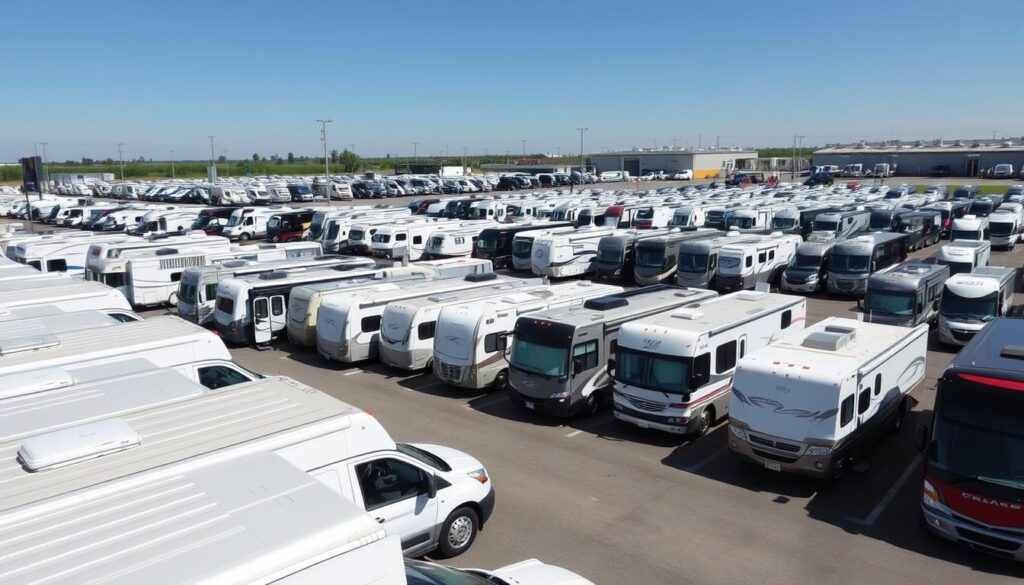
Average Cost Range for New RVs
New RV prices vary a lot, showing the wide range of choices. Travel trailers start at $15,000 for basic models. Motorhomes in the middle range cost between $75,000 and $150,000.
Luxury RVs are at the high end. These top models can go over $250,000. Class A motorhomes from famous brands can cost more than $300,000.
Size and features greatly affect prices. A small Class B camper van might cost $80,000. But a similar Class C motorhome could be $120,000.
Average Cost Range for Used RVs
The used RV market is more affordable for those on a budget. Five-year-old travel trailers often sell for 40-60% of their original price. This makes it a great time to find deals.
Used motorhomes also depreciate over time. A ten-year-old Class A that was $150,000 new might now cost $75,000-$90,000. Condition and upkeep greatly affect these prices.
“The best time to buy used RVs is between 3-7 years old. You get modern features without losing too much value.”
Online sites and NADA Guides give clear prices for used RVs. They help buyers know what’s fair. Prices can vary by 10-15% based on where you are.
Factors Influencing Price
Many things affect RV prices, new and used. Brand reputation is key in setting prices. Brands like Airstream keep their value better than cheaper ones.
Age and mileage affect motorized RVs’ value. Travel trailers lose value mainly based on age and condition. As RVs get older, maintenance becomes more important.
| Price Factor | New RV Impact | Used RV Impact | Buyer Consideration |
|---|---|---|---|
| Brand Reputation | 15-25% premium | Better resale value | Long-term investment |
| Age/Mileage | Not applicable | 20-30% per 5 years | Depreciation timeline |
| Condition | Factory perfect | Varies significantly | Inspection critical |
| Features/Upgrades | Full retail cost | Partial value retention | Feature prioritization |
| Market Timing | Seasonal fluctuations | Greater volatility | Purchase timing strategy |
Where you are affects RV prices, due to climate and demand. RVs in warm places often cost more because they’re usable all year. Prices can change by 10-20% with the seasons.
Economic conditions and new models also change prices. End-of-season sales and special offers can greatly affect RV values. Knowing these trends helps you buy at the right time.
Evaluating Your Budget for RV Purchase
Knowing the real cost of RV ownership is key to making smart choices. A good budget goes beyond the initial price. It also includes ongoing costs that affect your monthly budget.
Planning wisely helps avoid buyer’s remorse. It lets us enjoy RV adventures without money worries. We must look at our whole financial situation honestly.
Setting a Realistic Budget
First, check your current finances. Figure out how much you can put down, usually 10-20% of the RV’s price. Some lenders might ask for up to 30% for older models.
Think about how much you can spend each month. Budget 15-20% of your income for RV costs. This includes loan payments and other expenses.
Save money for RV costs before buying. Aim for $3,000-5,000 to cover unexpected repairs and maintenance.
Additional Costs to Consider
Insurance costs are a big part of RV ownership. New RVs need full coverage, costing $2,000-4,000 a year. Used RVs might only need liability insurance, saving money.
Monthly maintenance and storage fees add up. Regular upkeep costs $100-300 a month, based on the RV’s age and condition. Storage fees are $50-200 monthly, depending on where you live.
Registration and licensing fees vary by state but can be hundreds of dollars a year. Fuel costs for travel also matter, with big motorhomes using 6-10 miles per gallon.
| Expense Category | New RV Monthly Cost | Used RV Monthly Cost | Annual Impact |
|---|---|---|---|
| Insurance | $200-350 | $100-200 | $1,200-4,200 |
| Maintenance | $150-250 | $200-400 | $1,800-4,800 |
| Storage | $75-150 | $50-125 | $600-1,800 |
| Registration | $25-50 | $15-35 | $180-600 |
Financing Options for New and Used RVs
Credit unions often have the best rates because they focus on their members. They can save you 1-2% compared to banks, saving thousands over time.
Dealerships offer easy financing for new RVs with sometimes good rates. But, they might charge more fees or push extra products. Always look at the total cost of financing, not just the monthly payment.
Online lenders offer quick approval and good rates for those with good credit. They’re great for used RVs where dealer financing isn’t an option. Bank financing is also a good choice if you already have a relationship with the bank.
Get pre-approved from several lenders before you start shopping. This gives you a strong negotiating position and shows your budget limits. Pre-approval also makes buying your RV faster.
Think carefully about the loan term. Longer terms mean lower monthly payments but more interest paid. This can mean owing more than the RV’s value for years.
Assessing Your RV Needs and Lifestyle
Before picking an RV, we must think about our travel habits and family needs. This step helps us choose the right RV for our lifestyle. Many people buy RVs without checking if they fit their lifestyle.
Knowing what we need helps avoid mistakes and ensures we’re happy with our choice. We should think about how often we travel, our family size, and what we like. These things help decide which RV is best for us.
Understanding Travel Frequency
How often you travel affects your RV choice. Weekend warriors and those who travel less often need simpler RVs. They want basic comforts.
Those who travel a lot need reliable RVs. They want comfortable homes on wheels for long trips. Full-time RVers need durable RVs with home-like features.
It’s smart to track your travel before buying an RV. Think about how often you’ll use it. This helps decide what features you need.
Types of RVs Based on Usage
There are RVs for different travel patterns. Travel trailers are great for weekend trips. They’re easy to use because you can detach them.
Motorhomes are good for those who travel a lot. They have everything you need in one place. Class A motorhomes are perfect for living full-time. They have home-like features. Class B vans are great for exploring remote places with basic comforts.
Fifth wheels offer lots of space for long trips. They have lots of storage and slide-outs. Pop-up campers are good for those on a budget who camp sometimes.
Family Size and Vehicle Capacity
Family size is key for RV comfort. Sleeping arrangements are important for long trips. We need to think about privacy and how we like to live.
Bigger families need more space and bathrooms. Storage is also a big deal with more people. Empty nesters might want comfort and luxury over space. Single travelers have the most freedom in choosing an RV.
| RV Type | Best For | Family Size | Travel Frequency | Key Features |
|---|---|---|---|---|
| Class A Motorhome | Full-time living, luxury travel | 2-6 people | Frequent to full-time | Residential amenities, ample storage, powerful engines |
| Class B Van | Solo/couple adventures | 1-2 people | Weekend to frequent | Easy driving, fuel efficient, access to remote areas |
| Travel Trailer | Weekend camping, budget-conscious | 2-8 people | Occasional to frequent | Towable, unhitch flexibility, variety of sizes |
| Fifth Wheel | Extended stays, spacious living | 2-6 people | Frequent to seasonal | Multiple slide-outs, residential feel, excellent storage |
We should really think about our space needs and privacy. How we live in small spaces matters. We also need to think about storage for clothes, food, and fun stuff.
Vehicle capacity is important for comfort and meals. Having enough bathrooms is key for long trips. Think about your family’s future when choosing capacity.
Resale Value Considerations
Resale value is key when thinking about RVs. Knowing how different RVs hold their value helps us choose wisely. The difference between new and used RVs can surprise many buyers.
Resale value is more than the first price you pay. The total cost of ownership includes how much the RV loses in value. Buyers should think about these long-term costs when deciding.
Depreciation of New RVs
New RVs lose a lot of value quickly. They can lose about 20% of their value right away after you buy them. This means thousands of dollars lost in value.
The value drop doesn’t stop there. In the first few years, new RVs can lose 40-50% of their original price. For example, a $100,000 RV might be worth only $60,000 after three years. This is a $40,000 loss, more than what most people spend on maintenance for a used RV.
This fast drop in value can lead to trouble. Many owners can’t sell or upgrade without losing a lot of money. The math gets even harder when you add in loan payments and interest.
Resale Market for Used RVs
The used RV market is more stable. Used RVs lose value slower after the initial drop. This makes them more predictable for long-term plans.
Online platforms have changed the used RV market. They offer real-time prices and trends. Buyers and sellers can find detailed info on sales and market conditions.
Used RVs hold their value better for several reasons. The biggest drop in value happens early. The market then sets fair prices based on condition and utility, not just newness.
Factors that Boost Resale Value
Some things always help RVs sell for more. Keeping good maintenance records is key. It shows you’ve taken care of the RV and reduces worries about hidden problems.
Popular designs and features also matter. RVs with slide-outs, modern appliances, and flexible layouts sell better. The reputation of the manufacturer for quality and reliability also plays a big role.
“The best time to think about resale value is before you buy, not when you’re ready to sell.”
Good maintenance and careful use help keep value over time. Storing RVs right, servicing them regularly, and fixing problems fast keeps them looking and working well. Neglect, damage, or unusual changes can hurt value and sale prices a lot.
Environmental Impact of RV Options
The choice of RV affects more than just your wallet. It’s about being kind to our planet. Both new and used RVs have their own green benefits.
Today’s travelers want to choose eco-friendly RVs. New or used, each option has its own way to help the environment.
Eco-Friendly Innovations in New RVs
New RVs come with cutting-edge eco-friendly innovations. They use better materials and designs to save fuel and cut emissions. This makes them more fuel-efficient and cheaper to run.
Solar power is a big step forward in RV tech. It lets RVs use less fossil fuel while camping. Smart systems also help manage energy well.
Modern RVs use less power thanks to new appliances and lights. They stay cool with less energy too. Plus, they save water with special fixtures and recycling systems.
“The RV industry has made remarkable strides in environmental responsibility, with new models achieving 30% better fuel efficiency than units from just five years ago.”
Sustainability Benefits of Used RVs
Used RVs are good for the planet because they last longer. They also save resources by not needing to be made new.
Old RVs already have a lot of value in them. They can keep going for years, saving resources. This is good for the planet.
Upgrading used RVs can make them even greener. Adding solar panels and new appliances is cheaper than buying new. It makes old RVs better for the environment.
Choosing a used RV means less new stuff is made. This saves energy, materials, and transportation costs. It’s better for the planet.
Conclusion: Making an Informed Decision
Your RV purchase decision is all about what you need and want. We’ve looked at the good and bad of new and used RVs. This helps you make a smart choice.
Weighing Your Options
Make a list of what you must have versus what you’d like. Think about your budget, how often you’ll travel, and if you’re okay with repairs. New RVs give you peace of mind with warranties and the latest tech.
Used RVs are a good value and often reliable. They might need some work, but they’re cheaper.
Seeking Expert Advice
Talk to RV owners who know what they’re doing. They can share valuable advice. Online forums and local groups are great places to start.
Get a professional to check out used RVs for any hidden problems. Dealers can help find the right RV for you.
Final Tips for Prospective Buyers
Don’t rush into buying. Go to RV shows to see different models. Think about all the costs, like insurance and storage.
Try out different RVs to see how they drive. This helps you choose the right one for your adventures.
Whether you pick new or used, choose quality and what fits your travel plans. The best RV is one that matches your lifestyle and budget. It should give you years of fun and memories.