Starting your recreational vehicle adventure doesn’t have to feel overwhelming. We know planning your first motorhome trip can seem daunting at first.
Karen Akpan, founder of The Mom Trotter and full-time RVer, talks about the major benefits of RV travel. You get more space, a flexible schedule, and the freedom to cook all your meals on the road. She calls it carrying your accommodations “like a turtle shell” – a romantic freedom that needs smart preparation.
Jamie Cattanach says stress-free RV trip planning is possible if you avoid simple mistakes. Most issues that ruin dream vacations can be prevented with good planning.
Our guide takes you through every important step. From picking the right vehicle to making realistic itineraries, we share tips from seasoned RVers. You’ll learn what works and what doesn’t, helping you avoid common mistakes that catch beginners off guard.
Key Takeaways
- RV travel offers more space, flexible schedules, and meal preparation freedom
- Most RV trip problems stem from simple, avoidable planning mistakes
- Proper forethought prevents stress and transforms your adventure into a memorable experience
- Experienced RVers provide proven strategies for successful maiden voyages
- Realistic itinerary creation is essential for enjoyable motorhome travel
- Smart preparation balances romantic freedom with practical planning needs
Understanding Your RV and Its Features
Getting to know our RV’s features makes us feel more confident. RV trip planning starts with knowing what we have. Our RV is our home, car, and adventure base all in one.
Before we start, we need to learn about the different RV types. Each type has its own benefits and challenges. Knowing these helps us choose the best for our trip.
Familiarize Yourself with RV Basics
Let’s look at the main RV categories for first-time RV travel. Each type meets different needs and budgets. Knowing these options helps us pick the right one for our adventure.
Class A motorhomes are the biggest option. They sleep 6-8 people and have full kitchens and bathrooms. But, they’re big and need confidence to drive.
Class B campervans are the smallest motorized option. They have basic amenities in a small package. They’re easy to drive and park, great for couples or small families.
Class C motorhomes are a middle choice between A and B. They offer good space and are easy to maneuver. They have sleeping areas above the cab and are popular for family trips.
Tow-behind trailers let us bring our own vehicle. We can explore without moving our whole setup. They come in various sizes and layouts, but need proper towing equipment and skills.
Fifth-wheel trailers are smaller than traditional tow-behinds. They need a special hitch in the truck bed. They offer good living space and are stable while towing.
Pop-up campers are the most compact option. They have collapsible tops for easy storage and towing. They’re budget-friendly and fuel-efficient, providing basic shelter and sleeping arrangements.
| RV Type | Sleeping Capacity | Driving Difficulty | Best For |
|---|---|---|---|
| Class A Motorhome | 6-8 people | High | Large families, luxury travel |
| Class B Campervan | 2-4 people | Low | Couples, easy parking |
| Class C Motorhome | 4-6 people | Medium | Families, balanced features |
| Travel Trailer | 2-8 people | Medium | Flexible exploration |
| Fifth-Wheel | 2-6 people | Medium | Stable towing, spacious |
Knowing the basics keeps us comfortable on the road. Air conditioning systems keep us cool inside. Most run on shore power or generator power. Some newer models use batteries.
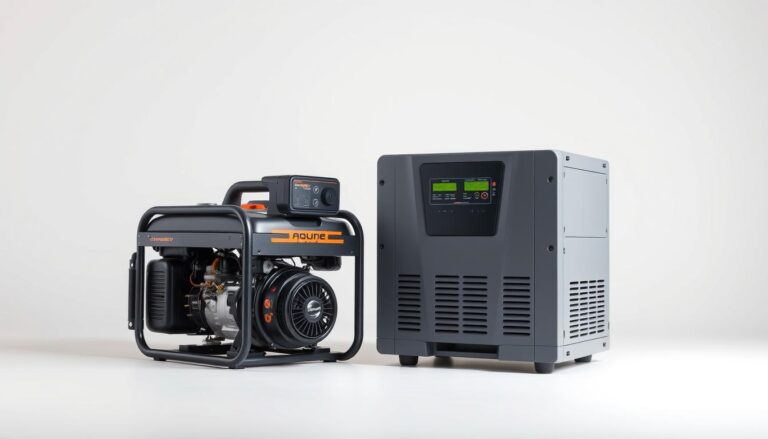
Generator systems give us power when we’re not plugged in. They run on gasoline, diesel, or propane. Keeping them well-maintained ensures they work right.
Tank systems manage our water and waste. Fresh water tanks hold clean water for drinking and washing. Gray and black water tanks handle sink and toilet waste. Regular checks prevent overflow.
Important Safety Features to Know
Safety features keep us safe on our journey. These systems need regular checks and maintenance. Knowing how they work gives us peace of mind.
Smoke detectors warn us of fires inside our RV. Most have detectors in sleeping and cooking areas. We should test them monthly and replace batteries yearly. Some newer models connect to monitoring systems.
Carbon monoxide alarms detect this deadly gas. Propane appliances and generators can produce it. These alarms save lives by warning us early. We must never ignore their signals.
Fire extinguishers help us handle small fires quickly. Most RVs have basic ABC-type extinguishers. We should know how to use them. Regular checks ensure they’re ready when needed.
Emergency exits provide escape routes in emergencies. Most RVs have multiple exit points, including windows. We should practice using all exits with our family. Clear pathways ensure quick escape if needed.
Proper setup procedures prevent many problems. We need to understand leveling systems, stabilizing jacks, and utility connections. Taking time to learn these basics makes our RV trip planning more effective and our travels safer.
Choosing the Perfect RV for Your Trip
Choosing an RV can be exciting but also confusing for first-timers. The right RV is key to a great trip. With some knowledge, you can pick the perfect one for your needs and budget.
Your RV choice affects your travel experience. It matters whether you’re going for a weekend or a long trip. The right RV means more comfort and convenience.
Renting vs. Buying an RV: What’s Best?
Renting is often the smartest first step. Try different RVs before buying. This way, you find what works for your family without a big commitment.
Renting has many benefits:
- Try different RV sizes and classes
- No upkeep worries
- Lower costs upfront
- Flexibility to try various models
Platforms like RVShare and Outdoorsy offer affordable rentals across the U.S. They connect you with RV owners who rent out their vehicles.
Buying is good for frequent travelers. Rent a few times first to know what you need. Buying is worth it if you travel often.
Essential Features to Look For
Some features are critical for a good RV experience. We’ve listed the most important ones for comfort and safety.
Sleeping arrangements are a top priority. Make sure there’s enough space for everyone. Many RVs have fold-out beds and dining areas to save space.
Kitchen features are more important than you think. Look for:
- Enough fridge space
- A good stovetop and oven
- Space for meal prep
- Storage for dishes and cookware
Bathroom options vary a lot. Some RVs have full bathrooms, while others have compact wet baths. Think about your family’s needs.
Storage capacity is often overlooked. Choose an RV with more storage than you think you’ll need. Extra space keeps your RV tidy.
Finding the right balance between space and ease of driving is key. You want enough room but not so much it’s hard to drive.
Popular RV Models for Beginners
Class C RVs are great for beginners. They offer a good mix of space and ease of driving. They’re better than Class A but have more features than Class B vans.
Class C RVs usually have:
- Sleeping for 4-8 people
- A full kitchen and bathroom
- Easy to drive for newbies
- Good fuel efficiency
Travel trailers are another good choice for beginners. They need a strong tow vehicle but are flexible once you arrive. You can use your car for local trips.
Models like the Forest River Sunseeker and Winnebago Minnie Winnie are great for beginners. They’re reliable and easy to use, making your first trip easier.
Avoid big RVs until you’re more experienced. Start with something easy and move up as you get more confident. The best RV is one that makes your trips memorable.
Determining Your Destination
Choosing the right place for your first RV trip is key. It should make you feel confident, not stressed. The destination sets the mood for your whole trip, from driving to camping.
Start near home for your first RV trip. Jeremy and Stephanie Puglisi say to treat these trips as “shakedown trips” in familiar places. This lets you get used to your RV and feel safe. You can easily find supplies and know the roads.
Consider Scenic Routes and Attractions
Scenic routes make your trip special, but not all are RV-friendly. Check road limits and heights before you go. Some scenic byways have RV-friendly parts with great views.
The Blue Ridge Parkway is a great choice, but stick to RV areas. The Pacific Coast Highway has stunning views, but plan RV stops carefully. Always check road conditions and closures before you leave.
National and state parks are perfect for beauty and RV needs. They have good roads, RV spots, and helpful staff. Enjoy hiking, wildlife, and programs while getting services.
Family-Friendly Campgrounds to Explore
Family-friendly campgrounds have fun for all ages. Look for clean restrooms, playgrounds, and activities. Campgrounds with pools, game rooms, and events make memories.
Karen Akpan loves Lake Tahoe for its activities. It has hiking, water sports, and scenic drives. Campgrounds there have great facilities and easy access to attractions.
KOA (Kampgrounds of America) offers family fun with standard amenities. They have clean facilities and help for RV newbies. Private campgrounds have more activities but cost more.
State park campgrounds are a good value with natural settings and learning. They have programs, walks, and activities for kids. Book RV spots at state parks early, as they fill up fast.
Seasonal Considerations for Travel
When you travel affects the weather, crowds, and prices. Spring and fall are best for beginners with fewer people and nice weather. Summer is busy but has more activities and daylight.
Winter RV trips need extra prep and gear, making it tough for beginners. Many places close in winter. But, southern places like Florida and Arizona are warm and welcoming.
Karen Akpan says book RV spots 6-9 months early at National and State Parks. Popular spots fill up fast, so book early for the best spots.
Campgrounds have rules like hotels. They close their offices early. Arrive on time to avoid stress on your first trip.
| Season | Advantages | Challenges | Best Destinations | Reservation Timeline |
|---|---|---|---|---|
| Spring | Mild weather, fewer crowds, blooming landscapes | Unpredictable weather, some facilities closed | National parks, southern states | 3-6 months ahead |
| Summer | All facilities open, long daylight, family activities | Peak pricing, crowded campgrounds, hot weather | Northern states, mountain regions | 6-9 months ahead |
| Fall | Beautiful foliage, comfortable temperatures, lower prices | Shorter days, early facility closures | New England, Great Lakes region | 4-6 months ahead |
| Winter | Lowest prices, mild southern weather, fewer crowds | Limited northern options, weather challenges | Florida, Arizona, southern California | 2-4 months ahead |
Weather greatly affects your RV trip. Research the weather at your destination and pack right. Weather changes can be tough for new RV drivers.
Facilities change with the season and location. Many mountain spots close in winter. Always check if places are open before booking RV spots.
Creating a Realistic Itinerary
Planning your RV trip well is key to a stress-free vacation. Many new RVers pack too much into their trip. This turns a relaxing trip into a tiring race.
Travel expert Jamie Cattanach says don’t fill every minute of your trip. She notes that 16-hour days are no one’s idea of a stress-free vacation. Instead, pick a few places and spend enough time there to enjoy them fully.
Karen Akpan says RVing lets you take it easy. You can stop whenever you want. But, you need to plan well to enjoy your trip.
Balancing Travel Time with Exploration
It’s important to balance driving and exploring. Plan for shorter driving days than in a car. RVs need more time for stops and moving around.
Limit driving to 4-6 hours a day. This lets you set up camp, explore, and enjoy the trip. RV setup and breakdown take longer than hotel checks.
Make time for unexpected finds. That roadside attraction or scenic view might be the best part of your trip. Your RV trip checklist should include time for these surprises.
Flexible Scheduling for Unexpected Adventures
Being flexible is key when RVing. Weather, road issues, and mechanical problems can change your plans. Always have a backup plan and alternative routes ready.
Book only your first and last nights in advance. This lets you stay longer where you like it or leave quickly if needed. Many RVers find the best moments are unplanned.
| Planning Element | Recommended Approach | Time Allocation | Flexibility Factor |
|---|---|---|---|
| Daily Driving | 4-6 hours maximum | Morning departure | Weather dependent |
| Campsite Setup | 1-2 hours buffer | Afternoon arrival | Site conditions vary |
| Local Exploration | Half-day minimum | Full day preferred | Interest level based |
| Rest Days | Every 3-4 travel days | Full day recovery | Energy level dependent |
Your RV trip checklist should have campground contact info. This lets you change plans as needed. Remember, the journey is just as important as the destination.
Plan for surprises by keeping your schedule flexible. The best RV moments often come when you least expect them. Let yourself change plans if something amazing catches your eye.
Packing Essentials for Your RV Trip
Success on an RV trip comes from packing smart. Smart packing strategies make your RV comfortable and organized. We’ll show you the must-haves for a homey RV and being ready for anything.
Packing for an RV trip is different from regular travel. Space is precious, and every item must have a purpose. Aim for a space that supports your adventure without feeling cluttered.
Must-Have Supplies for Comfort and Safety
Safety supplies are the base of a well-packed RV. A good tool kit includes a tire repair kit, flares, and a spare tire. These can save your trip when you face unexpected problems.
Don’t forget emergency supplies like a first aid kit and flashlights. A fire extinguisher and smoke detector batteries keep you safe. These safety essentials offer peace of mind and practical solutions for common RV issues.
Comfort items turn your RV into a home. Use shatter-proof plates and glasses to avoid accidents. Museum putty keeps decorations in place and prevents damage from road vibrations.
Quality bedding and pillows are key for restful sleep. Comfortable seating cushions and throw blankets make cozy spots. These items make your RV welcoming and relaxing.
Food and Meal Planning Tips
RV kitchens have unique challenges. Strategic meal planning helps use storage space well. This ensures you have nutritious meals throughout your trip.
Stock your RV kitchen with versatile ingredients. Use extra coolers to supplement your fridge. This approach gives you flexibility while managing space.
Healthy snacks like almonds or cheese sticks keep you energized. These don’t need refrigeration and boost energy between meals. Store snacks in easy-to-reach containers for quick snacks while driving.
Plan meals that use similar ingredients to reduce waste. One-pot meals are great for RV kitchens, saving time and space. Pre-chopping veggies at home saves time and space.
Helpful Packing Checklists
Creating detailed packing lists prevents forgotten items and overpacking. Comprehensive checklists save time and money. They ensure you bring only what you need for your trip.
Organize your lists by category: safety, comfort, kitchen, clothing, and entertainment. This systematic approach makes packing more efficient. It helps you keep track of what’s packed.
- Safety Essentials: Tool kit, spare tire, jack, flares, first aid kit, fire extinguisher
- Kitchen Supplies: Shatter-proof dishes, extra coolers, non-perishable foods, cooking utensils
- Comfort Items: Quality bedding, pillows, museum putty, throw blankets
- Personal Care: Toiletries, medications, sunscreen, insect repellent
- Entertainment: Books, games, outdoor equipment, charging cables
Double-check your lists before you leave to avoid forgetting anything. This double-checking process helps you catch missing items before it’s too late. Note what you didn’t use to improve your packing for next time.
Make different lists for different trips. Weekend getaways need different supplies than long trips. Customized lists help you pack right for your journey and activities.
Use digital lists on your phone for easy access and updates. Share lists with travel buddies to avoid duplicates. This teamwork ensures all important items are covered.
Understanding RV Campsite Booking
Booking your campsite smartly is key to a good RV trip budget. It lets you get the best spots without spending too much. The booking process might seem tough at first. But knowing the systems and timing can save you a lot of money and stress.
To book a campsite well, you need to plan ahead. Knowing when to book is important. Most places have specific times for booking, helping those who plan ahead more than others.
How to Reserve Your Campsite
Karen Akpan, an RV expert, says to book 6-9 months early for National and State Parks. This way, you avoid extra fees and get the best spots during busy times.
Apps like Roadtrippers and RV Parks & Campgrounds make finding and booking campsites easy. They help you plan your route and find great places to stay.
Hipcamp offers unique camping spots. Togo and Go RVing have lots of RV-friendly places to choose from, with options for what you need.
“Private campgrounds are great for beginners. They have full hookups and staff to help new RV owners.”
When booking, check what each site offers. Full hookups have water, electric, and sewer. Partial hookups might just have water and electric. Dry camping sites have no utilities but cost less.
Knowing about cancellation policies is important. Many places let you cancel for free up to 48 hours before. Some charge fees, while others give you credit for later stays.
Options for Free or Low-Cost Camping
There are many free camping spots in the US for those on a tight budget. BLM maps show places where you can camp free for up to two weeks. These spots are beautiful but might not have all the comforts.
Boondocking means camping without hookups. It’s about being self-sufficient and enjoying nature. National Forests let you camp for free for up to 14 days in some spots.
Walmart lots often let RVs park overnight, but check with the store first. Truck stops also offer RV parking for a fee.
State parks are a good deal with lower prices than private places. They have clean facilities, beautiful views, and educational programs to make your trip better.
Joining programs like Passport America or Good Sam can get you discounts at many campsites. These memberships can cut your nightly rate in half, which is great for those who travel a lot.
Learning RV Driving Tips and Guidelines
It’s key to know how your RV handles. Driving one is different from a car or truck. The size, weight, and height need special skills and awareness.
Start with short drives in empty lots before the highway. This makes you comfortable with turning, braking, and the RV’s feel. Remember, your RV needs more time and space for every move.
“Know your RV’s specs like length, width, height, and power needs. This helps book the right campsites and clear underpasses, tunnels, and bridges.”
Important Road Safety Practices
Driving safely is always first when you’re in an RV. These RV safety tips will keep you safe and avoid common mistakes.
First, know your RV’s size. Write down its length, width, and height on a card. Keep it in your dashboard. This info helps you know if you can pass under bridges or through tunnels.
Second, keep a safe distance behind you. Your RV is heavier than a car and stops slower. Follow the four-second rule at least, but six seconds in bad weather.
Third, don’t drive at night early on. Breakdowns are harder to handle when stores and garages are closed. Daylight driving lets you spot hazards sooner.
| RV Safety Practice | Why It Matters | Recommended Action |
|---|---|---|
| Know Your Dimensions | Prevents bridge strikes and tight space issues | Keep measurements card in dashboard |
| Extended Following Distance | Accounts for increased stopping distance | Use 4-6 second rule minimum |
| Daylight Driving Only | Better visibility and service availability | Plan stops before sunset |
| Regular Mirror Checks | Monitor blind spots and traffic | Check mirrors every 8-10 seconds |
Always check your mirrors often and adjust them before you start. RVs have big blind spots. So, check mirrors every eight to ten seconds for safe turns and lane changes.
Navigating Different Types of Terrain
Driving on different terrains is a challenge. Mountain roads test your engine and brakes. City streets need precise driving.
For mountains, use lower gears uphill to avoid engine strain. On downhill, never ride your brakes all the time. Use engine braking and brake on and off to avoid overheating.
City driving needs patience and planning. Narrow streets, low branches, and tight turns are obstacles. Use RV-specific GPS like RV Trip Wizard or the RV CoPilot app for help.
These GPS systems consider your RV’s size and weight. They help you avoid low bridges, weight-restricted roads, and places where RVs aren’t allowed. This makes navigating easier and safer.
Beach and desert driving have their own challenges. Sand can make traction hard, and salt air speeds up corrosion. Always check local rules before driving on beaches, and carry extra water in deserts.
Backing up your RV takes practice and patience. Use a spotter when you can, and walk around your RV to check clearances. Take your time – rushing can cause accidents and expensive fixes.
Weather affects RV driving a lot. High winds can push your RV, making it hard on bridges and open roads. If winds are over 25 mph, wait until it’s safer to travel.
Budgeting for Your RV Adventure
Knowing RV trip planning costs lets you enjoy every mile without worry. Smart budgeting is key to stress-free travel. When you plan expenses well, you can make memories instead of worrying about money.
A good budget covers more than just fuel and campsites. We must also plan for food, activities, maintenance, and surprises. Planning ahead helps avoid surprises on our adventure.
Estimating Fuel Costs and Fees
Fuel is the biggest cost for most RV trips. The size of your RV affects gas prices. Class A motorhomes get 6-10 miles per gallon, while Class C units get 10-15 mpg.
Use online fuel calculators to guess costs. Just enter your route, RV type, and gas prices. Always add 20% to your fuel budget for unexpected trips or price hikes.
Campground fees vary a lot. State parks cost $15-30 per night, while private RV parks are $25-75. National parks are $20-35 per night when sites are open.
| Expense Category | Daily Budget Range | Weekly Total | Money-Saving Tips |
|---|---|---|---|
| Fuel Costs | $50-150 | $350-1,050 | Plan shorter driving days |
| Campground Fees | $15-75 | $105-525 | Use state parks and free camping |
| Food and Groceries | $30-60 | $210-420 | Cook meals in RV kitchen |
| Activities and Entertainment | $20-100 | $140-700 | Choose free outdoor activities |
Budget-Friendly Tips for Travelers
Cooking meals in your RV saves a lot of money. Simple, tasty meals can be made with basic ingredients. Budget RV travel is easier when we use our RV kitchen often.
Joining RV travel discount clubs is a smart move. Passport America costs less than $50 a year and gives half-price campsites at almost 1,900 places. This membership often pays for itself after just a few nights.
Free camping spots are all over the U.S. Use apps like Campendium or FreeRoam to find them. Walmart parking lots, truck stops, and some public lands also allow RV overnight parking.
Plan activities around free attractions to save on entertainment. National parks offer great experiences for low entrance fees. Many cities have free walking tours, museums, and concerts that add to our travel fun.
Keep track of expenses daily with a notebook or app. This habit helps stay within budget and spot where we’re spending too much. Monitoring costs prevents financial stress from ruining our trip.
Worrying about money can ruin a vacation, so finding ways to save is key for stress-free travel.
Traveling during off-peak times can save money on campsites and attractions. Avoiding busy seasons and holidays cuts costs a lot. We can enjoy the same places for less by traveling in shoulder seasons.
Buying supplies before leaving home is cheaper than buying on the road. Stock up on non-perishable foods, toiletries, and basic supplies. Tourist areas typically charge premium prices for everyday items we need.
Preparing for RV Maintenance and Troubleshooting
Mechanical problems don’t have to ruin your RV trip if you’re ready. Know your RV’s systems and do basic checks before you go. This way, you can fix small problems on your own.
Understanding your RV’s special features is key. Every RV has its own quirks and details. Ask the previous owner or rental company for written instructions on how things work.
Routine Maintenance Before You Go
Doing maintenance checks before you leave is important. Start by checking your tires for pressure and wear. Also, check all fluid levels like engine oil and coolant.
Your RV’s electrical system needs a check too. Test the battery and make sure connections are good. Also, check that lights work, including brake lights.
Don’t forget to fill up the fresh water tank and the LPG tank. Getting gas and checking propane levels helps avoid stops on your trip.
Test big systems like the generator and air conditioning before you go. Run water through faucets and check for leaks. These steps can prevent big problems later.
Common Issues and How to Fix Them
Even with good preparation, some problems might happen. Electrical issues are common. If lights don’t work, check the fuse box and replace blown fuses.
Plumbing problems can be a big issue. Low water pressure means a clogged filter. If the water pump runs all the time, look for leaks or a bad pressure switch.
Generator problems can leave you without power. Make sure fuel is enough and the air filter is clean. Many generator issues come from not using it enough, so run it monthly.
Having the right tools and parts makes fixing problems easier. Pack a basic toolkit and keep emergency contact numbers handy. Also, get RV-friendly roadside assistance before you go. This can turn a big problem into a small delay.
Planning Activities and Entertainment
Entertainment and activities make RV trips special. Planning fun experiences ahead of time helps families bond and discover new things. RV travel mixes home comfort with endless fun and exploration.
Good planning balances planned activities with spontaneity. We prepare for sunny days and rainy afternoons with RV entertainment ideas. This keeps everyone happy and engaged on our journey.
Outdoor Adventures to Consider
Nature is our playground for RV family activities. Hiking trails near campsites are great for family fun and exercise. We pack snacks and water for exciting treasure hunts.
Fishing is a peaceful way for families to bond. Many RV spots have lakes or rivers for fishing. We bring portable gear and check local rules before we go.
Campfire cooking is magical for kids. Roasting marshmallows and sharing stories around the fire creates lasting memories. We make simple recipes together.
Stargazing is educational and free. Away from city lights, we teach kids about stars and planets. It’s a peaceful way to enjoy the night sky together.
Family Games and Activities on the Road
Travel days need creative RV entertainment ideas. Games like “I Spy” and “20 Questions” are fun without supplies. We make themed games based on our trip or what we see.
Portable games and cards are great for rest stops or rainy days. We choose games that are easy to clean up in small spaces.
Activity books and coloring supplies keep kids busy. Puzzle books, sticker activities, and drawing pads are great for kids to do on their own. We switch them up to keep things fresh.
Audio entertainment brings families together. Podcasts, audiobooks, and music playlists make memories. Everyone gets to pick something to listen to.
Digital tablets with educational apps and movies are backup entertainment. They help on tough travel days or when we’re stuck. We limit screen time but have these options ready.
Enjoying Your Journey and Embracing the Experience
Your first RV adventure is just the start of many memories. The magic comes when we focus on the moment, not just plans.
Staying Flexible and Open-Minded
Jeremy and Stephanie Puglisi say expecting surprises keeps us positive. Things won’t always go right, but that’s okay. It’s all part of learning.
Take your time and be patient. When problems come up, like mechanical issues or weather changes, see them as part of the adventure. They’re not roadblocks.
Making the Most of Unplanned Moments
Jamie Cattanach loves the beauty of not rushing. That wrong turn might show you a beautiful view. A disappointing campground could lead to new friends.
We’re not just checking places off a list. We’re making memories, gaining confidence, and finding freedom. It’s not about being perfect. It’s about connection, adventure, and lasting memories. Trust the journey and let the road teach you.