Planning your first RV trip can be a bit scary. You might have many questions about RV rental for beginners. Choosing the right RV and understanding what’s in your rental package are big decisions.
RVshare says you’ll likely pay about $150 per night for your RV. A short trip of four to five nights might cost around $1,000. Don’t forget to add insurance, gas, campsite fees, and food to your budget.
We’ve made a detailed guide to help you rent an RV for the first time. It’s designed to be easy and fun. You’ll learn about picking the right RV size, handling trip logistics, and more. You’ll also get tips from seasoned RV travelers.
Key Takeaways
- Average RV rentals cost $150 per night with total trip expenses around $1,000 for 4-5 days
- Budget for additional costs including insurance, gas, campground fees, and food
- Choose your RV size based on your group size and comfort preferences
- Read rental agreements carefully and understand insurance coverage options
- Plan your route and book campgrounds in advance for popular destinations
- Pack essential supplies and familiarize yourself with RV systems before departure
What is an RV and Why Rent One?
Recreational vehicles are a mix of a car and a home on wheels. They give you unmatched freedom to see new places. You get to enjoy comforts like a home, but you can move around easily.
RV travel is all about being flexible. You can see mountains one day and the ocean the next. This level of spontaneity makes your trips unforgettable.
Understanding Different Types of RVs
RVs come in many sizes and styles. Class A motorhomes are big and have lots of luxury. They’re great for big groups on long trips.
Class B motorhomes are like big vans. They’re good for couples or small families. They’re easy to drive and have the basics.
Class C motorhomes are a mix. They have more space than Class B but are easy to drive. They’re good for beginners.
Towable RVs like fifth wheels and travel trailers need a car to tow them. They have more room and cost less to rent.
Benefits of Renting an RV
RV rental saves a lot of money. It’s cheaper than hotels, even for big groups. You save on food and fun too.
“RV travel isn’t just about the destination—it’s about the freedom to change your mind, take detours, and discover hidden gems along the way.”
RVs are super convenient. You pack once and carry everything with you. No more living out of suitcases.
RVs are also safer for families. You control your space and keep routines. It’s safer than hotels.
Ideal Scenarios for RV Rental
RVs are great for national park adventures. Campgrounds are cheap and offer amazing views. They have hookups for water, electricity, and sewer.
Music festivals and sports events are perfect too. You save on hotels and have your own space. It’s close to the action.
Family reunions and group trips love RVs. Everyone can have their own space. It makes the trip more fun.
For those thinking about buying an RV, renting is a good start. You learn about different models and what you like. It helps you decide if you want to buy.
How to Choose the Right RV for Your Trip
Choosing the right RV is key. It should match your travel style and group size. With many options, picking the right one can be tough. But, finding the perfect RV for your needs makes it easier.
Know what you need before looking at RVs. Your budget, group size, destination, and trip length are important. These factors help you find the best RV for you.
Key Factors for RV Selection
Your budget is the first thing to consider when renting an RV. Bigger motorhomes cost more and use more fuel. Smaller units are better for shorter trips and save money.
Think about how many people are going. Couples might prefer a small Class B van. But, families need more space and amenities in larger units.
The terrain of your destination also matters. Small RVs are better for tight roads and narrow campsites. But, big RVs are okay for wide spaces and full amenities.
Best RV Models for Beginners
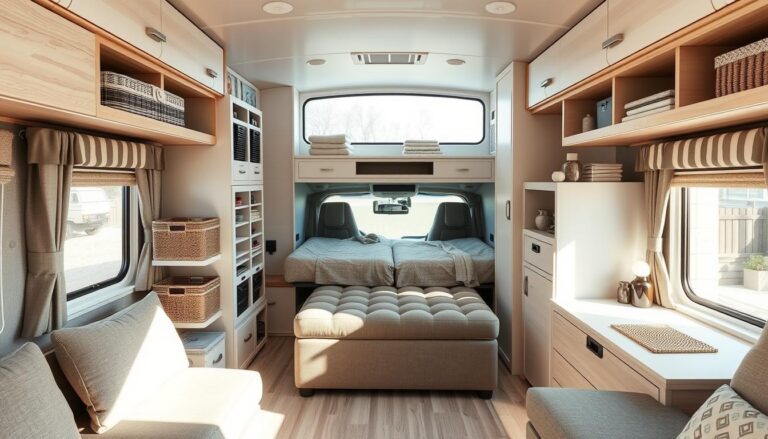
Class C motorhomes are great for beginners. They’re easy to drive and have lots of space. They sleep 6-8 people and have kitchens, bathrooms, and living areas.
Class B vans are perfect for couples. They’re small but have lots of comfort. Class A motorhomes are luxurious but need more driving skill.
Towable trailers are flexible. You can drive your regular car and tow the trailer. But, you need towing experience and the right vehicle.
Finding Your Perfect Size Match
Choosing the right size RV is important. Pick the smallest RV that meets your needs. Big RVs aren’t always better, so focus on driving skills first.
Think about what you need: pet-friendliness, beds, kitchen, or outdoor space. Knowing what you need helps narrow your choices. Choose an RV that fits your travel style, not just your dreams.
Look at floor plans and features online. Also, read reviews from other first-time renters. This helps you make a smart choice.
Renting an RV: Step-by-Step Process
From start to finish, renting an RV is a big decision. Knowing each step helps you avoid problems and get the best deal. We’ll guide you through finding good companies and understanding rental agreements.
There are two main ways to rent an RV. You can choose big companies or go for unique options on peer-to-peer sites. Each has its own benefits, so pick what’s best for you.
Researching RV Rental Companies
Start looking for RVs at least 2-3 months early, more so for summer trips. The market has two main types with different prices and services.
Traditional rental companies like Cruise America have many locations. They offer standard services and clear policies. You’ll know what to expect with their prices and service.
Peer-to-peer sites like RVshare and Outdoorsy are like Airbnb for RVs. You rent from owners who set their own prices and rules. This can mean more choices and lower costs.
- Company reputation and customer reviews
- Fleet size and RV variety
- Geographic coverage and pickup locations
- Insurance options and coverage details
- 24/7 customer support availability
Check recent reviews on different sites. Look for patterns in feedback about cleanliness and service. These RV rental tips can help you avoid surprises.
Making Reservations: What to Know
Booking your RV needs careful attention. Hidden fees can add up, so look at the total cost before you book.
Consider these important cost factors:
- Mileage fees and daily limits
- Generator usage charges
- Insurance and damage protection
- Kitchen supplies and linen rental fees
- Cleaning and preparation charges
Some companies offer one-way rentals, while others need you to return the RV. One-way rentals are more flexible but cost more. Delivery services are also popular, where owners bring the RV to you.
Rental lengths vary. Weekend rentals might need 2-3 days, while some want week-long bookings. Peak season means longer stays and higher prices.
Understanding all costs upfront is key to a successful RV rental, not just the daily rate.
Understanding Rental Agreements and Policies
Rental agreements are important for your trip. Read every part carefully before signing. Ask questions if you’re unsure about anything.
Key agreement sections to review include:
- Damage and liability coverage limits
- Permitted driving areas and restrictions
- Fuel and propane return requirements
- Pet policies and additional fees
- Cancellation terms and refund policies
Insurance varies a lot between companies. Some include basic coverage, while others require extra purchases. Knowing your auto insurance helps you figure out what extra protection you need.
Agreements often limit driving on unpaved roads or in certain areas. Restrictions during festivals and events are common in peak seasons. Breaking these rules can void your coverage and lead to big penalties.
Security deposits range from $500 to $2,500, depending on the RV and company. These deposits are usually held on your credit card. Some companies offer damage waivers that reduce or eliminate deposit needs for extra fees.
Age restrictions for drivers are common, with most needing to be at least 25. Additional driver fees apply, and all drivers must be listed on the agreement with valid licenses.
Preparing for Your RV Adventure
Before we hit the open road, let’s focus on the essential steps for a smooth RV trip. Proper preparation makes the difference between a stressful journey and an amazing adventure. Getting ready for your first RV rental can feel overwhelming. But breaking it down into manageable steps will help you feel confident and excited.
The key to successful RV travel lies in thoughtful planning and smart packing. Unlike traditional vacations, RV trips require us to think about everything from meal preparation to emergency supplies. Your renting an RV checklist should cover three main areas: what to pack, where to go, and how to stay safe.
Essential Packing Tips for RV Travel
Packing for an RV trip requires a different strategy than regular travel. We have more space than a car but less than our home, so every item needs to serve a purpose. Start by speaking with your RV rental company about what they provide. Many owners keep basic items on board like linens, cookware, and cleaning supplies.
Your clothing should cover various weather conditions. Pack layers instead of bulky items. Weather can change quickly during road trips, so be prepared. Include rain gear, comfortable walking shoes, and casual clothes for campfire evenings.
Essential items for your renting an RV checklist include:
- First-aid kit with basic medications
- Tool kit for minor repairs
- Flashlights and extra batteries
- Personal hygiene items
- Entertainment for travel days
Don’t forget about food storage. RV refrigerators are smaller than home units, so plan meals carefully. Bring non-perishable snacks and easy-to-cook meals. Consider the cooking equipment available in your rental when planning your menu.
Setting Your Travel Itinerary
Planning your route goes beyond just picking destinations. We need to think about RV-friendly roads, fuel stops, and overnight accommodations. Research your route thoroughly and identify gas stations that can accommodate large vehicles. Not all stations have enough clearance or space for RVs.
Make campground reservations well in advance, popular destinations fill up quickly, and finding last-minute spots can be challenging. Look for campgrounds with appropriate hookups for your RV size and needs.
Consider these factors when planning your itinerary:
| Planning Factor | Why It Matters | Action Required |
|---|---|---|
| Daily Driving Distance | RVs travel slower than cars | Limit to 300-400 miles per day |
| Fuel Stops | Lower gas mileage requires more stops | Research RV-friendly stations |
| Route Restrictions | Some roads prohibit large vehicles | Use RV-specific GPS apps |
| Weather Conditions | Affects driving safety and comfort | Check forecasts and have backup plans |
Build flexibility into your schedule. Unexpected discoveries often become the best parts of RV adventures. Allow extra time for scenic stops, equipment issues, or simply enjoying a beautiful campground longer than planned.
Safety Checks Before You Hit the Road
Safety should be our top priority before starting any RV journey. A thorough pre-trip inspection prevents problems and ensures everyone’s well-being. Your rental company should provide a walkthrough, but we recommend doing your own checks too.
Start with the exterior inspection. Check all lights, including headlights, taillights, and turn signals. Inspect tires for proper inflation and visible damage. Look for any obvious issues with the RV’s body, awnings, or external storage compartments.
Inside the RV, test all systems before leaving the lot. Run water from all faucets and check that the toilet flushes properly. Test the refrigerator, air conditioning, and heating systems. Make sure you understand how to operate the generator if your rental includes one.
Create an emergency contact list that includes:
- Your RV rental company’s 24-hour support line
- Roadside assistance services
- Emergency contacts for family members
- Local emergency services for your planned route
Keep important documents easily accessible, including your rental agreement, insurance information, and driver’s license. Store copies in a separate location from the originals. Your renting an RV checklist should include verifying that all required paperwork is complete and current.
Ensure adequate water and propane supplies for your first few days. This gives you time to locate supply stations along your route without immediate pressure. Understanding these basics before you travel will make your entire RV experience more enjoyable and stress-free.
Navigating Campgrounds and RV Parks
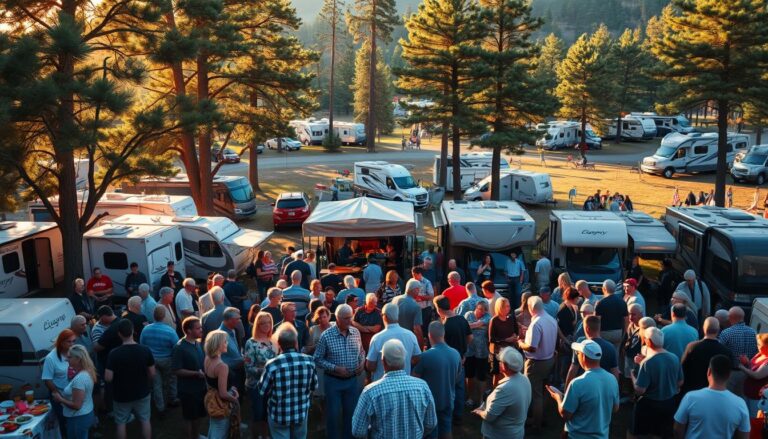
Learning to navigate campgrounds and RV parks makes your rental trip fun. These places are your home away from home. They offer services that make RV travel easy and fun. Knowing how to pick, book, and use campgrounds is key for new renters.
Campgrounds range from simple to luxury resorts with pools and restaurants. It might seem too much at first. But, knowing what to look for helps you choose well.
Choosing the Right Campground
Choosing the right campground is important. Location is key. Think about how close it is to places you want to see and scenic views.
Hookup options are also important. Full hookups have water, electricity, and sewer. This makes life easy for RVs. Partial hookups offer electricity and water but you need to find dump stations.
Site size is critical. Make sure your RV fits the site. Campgrounds list site sizes to help you avoid problems.
Cost is a big factor. Campground fees can range from $5 to over $100 per night. National park campgrounds are cheaper but have fewer amenities. Private RV resorts are more expensive but offer luxury.
“The best campground is one that meets your specific needs while staying within your budget. Don’t pay for amenities you won’t use, but don’t skimp on essentials like reliable hookups.”
Making Reservations and Checking In
Booking reservations early is smart, as popular spots fill up fast. Book 3-6 months ahead for summer and holidays.
Online systems make booking easy. They let you see sites, compare amenities, and book with a card. Always check the cancellation policy.
Check-in times vary. Arrive when the office is open. Staff will give you maps and local tips.
Payment methods differ. Some take cash, others cards. Confirm payment types when booking to avoid issues.
Understanding Campground Amenities
Campground amenities make your stay better. Essential amenities include clean restrooms and showers. These ensure you stay clean and healthy.
Utility hookups are vital. Electric hookups match your RV’s needs. Water and sewer connections make waste disposal easy.
Other amenities can make your trip better. These include laundry, camp stores, and pools. But, they’re not always needed.
- Laundry facilities for extended trips
- Camp stores for forgotten supplies
- Recreation areas and playgrounds
- Swimming pools and hot tubs
- WiFi internet access
Dump stations are key without sewer hookups. Some charge for sewage dumps. They let you empty waste tanks safely.
Knowing quiet hours and rules is important. Most have quiet times from 10 PM to 6 AM. Pet policies and fire rules vary, so check them.
Security features are important. Gated entrances and management make camping safer. These RV rental essentials are vital for safety, even with valuable gear.
RV Driving Tips for Beginners
Many new RV drivers worry about handling such a large vehicle. But, understanding basic techniques makes it enjoyable and safe. RVs are taller, wider, longer, and heavier than regular cars. This affects your turning radius and braking distance.
Preparation and practice are key to successful RV driving. Start with a thorough walk-around inspection to get to know your RV’s dimensions. Most RVs are between 10-12 feet tall. Height awareness is your most critical safety skill.
Getting Comfortable Behind the Wheel
Before hitting the road, practice in an empty parking lot. This safe space lets you get used to how your RV handles. You can practice steering and braking without worry.
Adjust your mirrors properly. RV mirrors are larger than car mirrors and are positioned differently. Take time to understand what each mirror shows you and practice using them together.
Practice turning in wide circles. RVs need much more space to turn than regular vehicles. Swing wide on turns to avoid hitting curbs or other obstacles.
Practice backing up in the parking lot. Use cones or markers to create a simple course. Remember, backing up an RV takes patience and small adjustments.
Important Driving Techniques for RVs
Height awareness is essential for RV driving. Drivers often forget how tall their RVs are, even with air conditioning units on top. Always check clearances at bridges, drive-thrus, and gas stations before proceeding.
Many RVs are damaged because drivers forget about their height. Fast-food drive-thrus are dangerous – most have clearances of only 8-9 feet, while your RV likely measures 10-12 feet tall.
Speed management is also important. RVs move slower than cars due to their size and weight. Plan for this by allowing extra travel time and maintaining safe following distances. Your stopping distance increases significantly with an RV’s added weight.
Fuel efficiency varies between RV types. Class A motorhomes get 6-10 miles per gallon, while Class B models achieve 18-25 mpg. Class C RVs and towing setups usually get between 8-12 mpg. Knowing your RV’s fuel consumption helps you plan stops and budget.
Wind affects RVs more than regular vehicles. Crosswinds can push your RV sideways, so keep both hands on the steering wheel and reduce speed when encountering strong winds.
Parking and Maneuvering Tips
Parking an RV is different from parking a car. Choose parking spots at the back of lots for more room to maneuver. Pull-through spots are ideal for RV rental for beginners because they eliminate the need to back up.
When backing into a space, use a spotter if possible. Have someone stand where you can see them in your mirrors and establish clear hand signals beforehand. Move slowly and make small adjustments.
For parallel parking, which we generally recommend avoiding with RVs, you’ll need much more space than with a car. The length of your RV plus several feet on each end gives you the minimum space needed.
Plan your route to avoid low bridges, narrow roads, and steep mountain passes. Many GPS units offer RV-specific routing that considers your vehicle’s dimensions and weight restrictions.
Gas stations require special attention. Not all stations can accommodate large RVs, so look for truck stops or stations with dedicated RV lanes. These facilities have higher clearances and longer pump areas designed for larger vehicles.
RV Maintenance Basics for First-Time Renters
Looking after your rental RV is easy, even if you’re not a mechanic. Unlike hotels, RVs need you to handle basic tasks. Here are some key tips to keep your trip smooth and avoid common problems.
Rental companies usually give a quick intro. But knowing these basics boosts your confidence on the road. We’ll cover the must-know tasks for first-timers.
Checking Fluid Levels and Tires
Your RV’s control panel is your go-to during the rental. Check your fresh water tank every day and refill when it hits one-third. This keeps you from running out while cooking or showering.
Every morning, inspect your tires. Use the gauge provided by the rental company to check pressure. Look for signs of wear or debris that could cause a blowout.
If your RV’s engine is accessible, check oil and coolant weekly. But many rentals have sealed systems that don’t need frequent checks. If unsure, always call your rental company instead of trying to fix it yourself.
Understanding RV Waste Disposal
Managing waste is key for RV renters. Your RV has two tanks: grey water from sinks and showers, and black water from the toilet. Empty both when they’re two-thirds full.
Grey water tanks fill up quickly, thanks to dishes and showers. The control panel shows levels, but it’s not always right. Empty grey water tanks every 2-3 days if you’re using them a lot.
Black water needs extra care. Try to use public restrooms to avoid dumping often. When you do need to dump, start with black water, then grey water to clean the hose.
“The key to successful RV waste management is staying ahead of the problem, not waiting until tanks are full.”
Troubleshooting Common Issues
Circuit breakers trip often in RVs because of limited power. Find your electrical panel early and learn to reset breakers safely. Don’t run too many appliances at once.
Water pump issues often come from low tank levels or air in the lines. First, check your water supply. Then, follow your rental company’s instructions to prime the pump. Most problems can be fixed with simple steps.
Propane system problems can affect heating, cooking, and hot water. If you smell gas or think there’s a leak, turn off the propane right away and call your rental company. Never try to fix propane yourself.
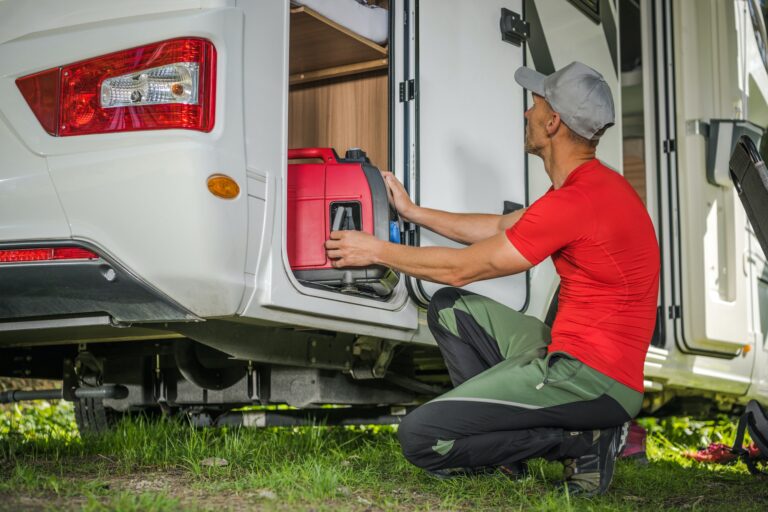
Generator issues usually involve fuel or overloading. Check fuel levels and reduce the electrical load before restarting. These tips can save you hours of trouble and keep your trip on track.
What to Do in Case of an Emergency
Being ready for emergencies is key when renting an RV. Even the best plans can go wrong. Knowing how to act fast can change your trip.
Being prepared for emergencies gives you peace of mind. Most rental companies offer great support. Knowing what they can do helps you stay safe on the road.
Preparing an Emergency Kit
Your emergency kit is your first defense. Start making it before you leave. This saves time and reduces stress when emergencies happen.
Essential items for your RV emergency kit include:
- Basic tool kit with screwdrivers, wrenches, and pliers
- First aid supplies including bandages, antiseptic, and medications
- Flashlights with extra batteries
- Emergency food and water for at least 72 hours
- Warm blankets and emergency clothing
- Fire extinguisher rated for RV use
- Duct tape and zip ties for temporary repairs
Store your emergency kit where it’s easy to get to. Keep it near the RV’s main door. Make sure everyone knows where it is.
Include important phone numbers in your kit. Write down your rental company’s emergency line, local emergency services, and your insurance provider’s contact info. Keep these numbers in your phone and a written list.
Roadside Assistance Services
Most good rental companies offer 24/7 roadside assistance. For example, RVshare has coverage up to $300,000 plus free roadside help, towing, and tire service through Questx Tow Network.
Knowing what your roadside assistance covers is important. Typical services include:
- Emergency towing to the nearest repair facility
- Tire changes and repairs
- Jump-start service for dead batteries
- Lockout assistance if you’re locked out
- Emergency fuel delivery
Save your roadside assistance number in your phone before you go. Make it a contact so you can call fast in emergencies. Many services have mobile apps to find your location.
RV-specific problems need special help. Generator, waste system, or electrical issues need pros. Don’t try to fix complex problems yourself, as it could be dangerous or void your rental.
Contacting Rental Company Support
Your rental company is your main support in emergencies. Most have emergency hotlines open all the time. They know RVs and can help with your problem.
When you call for help, have your rental agreement ready. The person you talk to will need your reservation number, where you are, and a clear problem description. Photos of any damage or issues help them understand better.
“Always contact your rental company before making major decisions during an emergency. They can guide you through proper procedures and ensure you’re covered under your rental agreement.”
Keep your rental agreement and insurance info easy to find. Store copies on your phone and in a physical folder. This is key for insurance claims or emergency repairs.
Document everything in an emergency. Take photos, write down times and places, and keep receipts. This helps with insurance claims and protects you from disputes.
Emergency situations can be scary, but help is always there. Your rental company wants you to have a good time. Don’t be afraid to ask for help, even if you’re not sure if it’s an emergency.
Returning the RV: What to Expect
The last part of renting an RV is returning it in good shape. Planning for this step can save you from extra costs. It also makes the return smoother.
Cleaning and Refueling Requirements
Most rental places want the RV back full of gas and empty waste tanks. Companies like RVshare might charge extra for refueling and cleaning. They add a 15% fee for these services.
Make sure to have enough time on your return day. You’ll need to stop for gas and dump waste at the right places.
Final Inspection Process
The rental company will do a detailed check for any damage or cleanliness issues. Take photos when you first get the RV. This helps prove its condition later.
Be ready for extra charges if the RV needs more cleaning than usual. Or if there are mechanical issues.
Feedback and Reviews: Importance of Your Experience
Your honest feedback is key for future renters. It helps them decide on their RV rental. Reviews also help rental companies improve and build trust in the RV community.
Share what you liked and what could be better. Your thoughts are important to both rental companies and other travelers planning their RV trips.