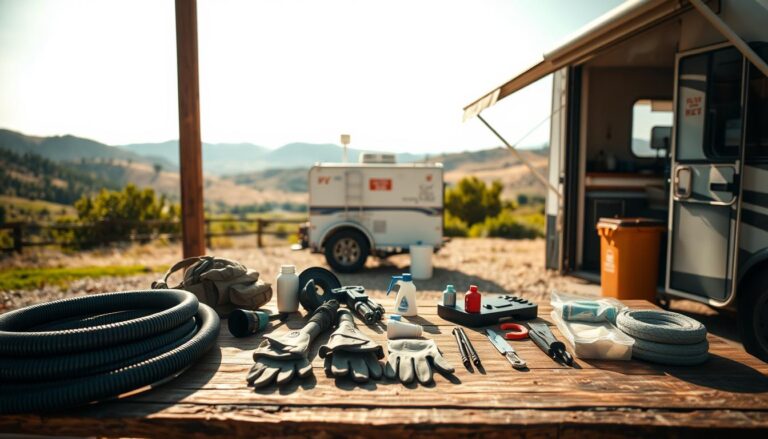
Traveling should not mean sacrificing good sleep. Waking up stiff and tired in our RV is frustrating. Factory beds in RVs are thin and uncomfortable.
Many of us struggle with aches and pains that spoil our mornings. Most RVs focus on saving space, not supporting our bodies. This makes it hard to rest well for the next day’s adventures.
We’re excited about travel comfort solutions that change how we sleep on the road. Options like the HIBER8 from Haven Canada and the Brooklyn Bedding Signature Hybrid are great. Even Tochta mattresses have shown they can last for years on the road.
Key Takeaways
- Factory RV mattresses prioritize space-saving over comfort and body support
- Poor rest quality can significantly impact your travel experience and daily energy levels
- Custom-sized options like HIBER8 offer 8-inch slim profiles perfect for tight RV spaces
- Brooklyn Bedding Signature Hybrid ranks as the top overall choice according to expert testing
- Proven durability matters – some mattresses like Tochta have withstood 5+ years of road travel
- Investing in quality rest transforms your entire travel experience
Why Upgrading Your Mattress Matters for Travel
The difference between a great trip and a bad one often comes down to sleep. On the road, our mattress is more than just a place to rest. It’s our sanctuary, our recovery center, and our base for each new adventure.
Most RV mattresses are made with low-density foam and poor ventilation systems. This leads to sagging, heat, and uncomfortable pressure points. We’ve found that these mattresses can’t support our bodies for months of travel.
The Foundation of Restful Nights
Quality sleep is key to our health and happiness. Our bodies repair muscles, remember things, and boost our immune systems while we sleep. When we’re exploring and facing travel’s physical demands, we need deeper, more restorative sleep than ever.
Studies say adults need 7-9 hours of quality sleep each night. But good sleep does more than just make us feel rested. It also makes us react faster, feel better, and make smarter choices on the road.
Road Life’s Impact on Sleep Patterns
Travel disrupts our sleep in unexpected ways. Altitude changes affect our breathing. Different time zones mess with our body clocks. And noise from traffic, weather, or neighbors can wake us up.
Temperature changes are another challenge. We might go from a hot desert to a cool coastal area in one day. Our bodies struggle to adjust, and poor RV comfort makes it harder.
The stress of new routes, finding campsites, and keeping our vehicles running also affects our sleep. When our mattress is uncomfortable, our travel sleep quality gets worse.
Comfort’s Direct Connection to Health
A good mattress is key to staying healthy on the road. It keeps our spine aligned all night. This stops back pain and stiffness that can ruin our days.
Poor mattresses cause pressure points that hurt our blood flow. We wake up with numb limbs, sore joints, and feel beat up. These problems get worse over time, making our journey painful.
| Sleep Quality Factor | Poor Mattress Impact | Quality Mattress Benefit | Travel Advantage |
|---|---|---|---|
| Spinal Alignment | Back pain and stiffness | Proper support all night | Pain-free hiking and activities |
| Pressure Point Relief | Numbness and soreness | Even weight distribution | Better circulation and comfort |
| Temperature Regulation | Night sweats and restlessness | Cool, breathable surface | Comfortable sleep in any climate |
| Motion Isolation | Partner disturbance | Undisturbed rest | Both travelers sleep better |
Mattress upgrades improve our REM sleep cycles. These cycles are key for memory and emotional processing. With new experiences every day, our brains need quality REM sleep to store memories and get ready for tomorrow.
Signs It’s Time to Upgrade Your Travel Mattress
Your travel mattress sends clear signals when it’s time for an upgrade. Learning to spot these warning signs early makes a big difference. It’s tempting to ignore a subpar mattress, but recognizing mattress replacement signs early can save us from poor sleep and discomfort.
Standard RV mattresses are made to save weight and space, not comfort. They often sag and break down quickly because of low-density foam.

Worn-Out Surface and Uneven Support
When our mattress surface becomes uneven, it’s time for a new one. Visible sagging spots or lumpy areas mean the mattress has failed. Worn-out surfaces create pressure points that disrupt our sleep.
These uneven areas make us toss and turn all night. The foam density breaks down, creating valleys where our body weight compresses it. This is a common RV mattress problem we face on the road.
Increased Discomfort During Sleep
Waking up multiple times per night means our mattress isn’t doing its job. Struggling to find a comfortable position or feeling like we’re sleeping on a rock are major red flags. These sleep discomfort indicators show our mattress has lost its support.
Discomfort often starts gradually. We might shift positions more during the night. Then we wake up more often, unable to stay comfortable.
Frequent Aches and Pains
Frequent aches and pains are a clear sign. Back, hip, shoulder, or neck pain after sleeping isn’t normal. These pains are our body’s way of protesting inadequate support.
We’ve seen travelers push through months of discomfort, only to realize a simple mattress upgrade could have helped. Good road trip sleeping tips start with recognizing when your current setup isn’t working.
When morning stiffness becomes regular, it’s time to act. Our bodies need proper spinal alignment during sleep to recover from daily activities. A failing mattress prevents this natural recovery, leading to fatigue and discomfort that affects our travel experience.
Types of Mattresses for Travel: What to Consider
When looking at travel mattress options, we must think about how different materials and designs affect our sleep. Each type has its own benefits and challenges. These impact comfort, storage, and how long the mattress lasts.
We’ve tried many portable mattress solutions on our travels. The right choice depends on space, how often you use it, and what you like. Let’s look at the three main types found in the travel mattress market.
Air Mattresses: Pros and Cons
Air mattresses are great for those who travel sometimes. They can be deflated when not used, saving space. You can also adjust how firm they are to fit your needs.
But, there are downsides. They need power to inflate, which can be hard in remote places. They can get punctures and don’t always support well for long. Temperature changes can also make them uncomfortable.
Memory Foam Options for Quick Comfort
Memory foam is our top pick for quick comfort. It molds to your body, easing pressure points and keeping motion to a minimum. They also pack small and expand fast.
The big issue is heat in warm places. Memory foam can hold onto body heat, making it hard to sleep when it’s hot. Despite this, it’s great for travelers who want consistent comfort.
Hybrid Mattresses for Versatility
Hybrid mattresses are the best mix in our experience. They have foam’s contouring and coils’ support and breathability. They’re perfect for those who change sleeping positions often.
These RV mattress types feel like traditional mattresses but save space. The coils help with airflow, keeping you cool at night.
| Mattress Type | Storage Convenience | Comfort Level | Durability | Best For |
|---|---|---|---|---|
| Air Mattress | Excellent | Adjustable | Low | Occasional use |
| Memory Foam | Good | High | High | Regular travelers |
| Hybrid | Good | Very High | Very High | Full-time RVers |
The air mattress vs foam debate depends on your travel style. Air mattresses are portable but not comfy for long. Memory foam is supportive but can be hot. Hybrid mattresses offer the best balance for those who value sleep quality on long trips.
Material Matters: Choosing the Right Fabric
Choosing the right mattress materials is key to good sleep anywhere. The fabric and how it’s made affect our comfort and health. When we read reviews, we see that materials really matter.
Different places need different materials. We need fabrics that keep us cool or warm. The right materials also make our mattress last longer on the road.

Breathability for Temperature Control
Keeping cool is important in small spaces like RVs or tents. Breathable fabrics let air in, stopping us from getting too hot. Some materials are great at keeping us cool at night.
The Brooklyn Bedding Aurora Luxe is known for staying cool. It has special cooling tech and design. This keeps us comfortable all night.
Bamboo-blend covers are also good for staying cool. The HIBER8 mattress has one of these covers. It helps keep us cool by wicking away sweat.
- Pocketed coil systems for enhanced airflow
- Latex materials that naturally breathe
- Bamboo-blend covers for moisture wicking
- Gel-infused foams for cooling comfort
Durability for Long-Lasting Use
Traveling can be tough on our mattresses. They face movement, temperature changes, and setup challenges. We need durable construction to handle these.
CertiPUR-US certified foams are very durable. They stay safe and strong even when things get tough. Reinforced edges also help our mattress last longer.
How a mattress is made matters a lot. We look for strong stitching, quality zippers, and good support. These features help our mattress stay comfy for thousands of miles.
Eco-Friendly Choices
Many travelers choose eco-friendly mattresses to help the planet. These mattresses use green materials and are made responsibly. We can sleep well and protect nature.
Organic cotton and natural latex are comfy and safe. Plant-based foams are another green option. These choices are just as good as traditional ones.
It’s also important how mattresses are made. Companies that use green energy and reduce waste are better. We like brands that care about the outdoors as much as we do.
Choosing the Perfect Size Mattress for Your Vehicle
When picking mattress options for travelers, size is key. It affects both comfort and practicality. We must measure our sleeping area carefully before buying.
The wrong size can waste space or make sleeping uncomfortable. This can ruin our travel experience.
Getting the right measurements is more than just length and width. We must think about ceiling height, storage, and how the mattress fits with existing fixtures. Accurate measurements save us time, money, and frustration later.
Compact Options for Smaller Spaces
Space-saving solutions are great for those in converted vans, pop-up campers, or RVs with bunk beds. RV bunk sizes range from 28″ x 75″ to 35″ x 79″. These sizes offer comfy single-sleeper spots and save floor space for other activities.
Choosing quality materials in these smaller mattresses is key. They offer great comfort without taking up too much room. Many find these sizes make their living space feel more open and useful.
Full-Sized Solutions for Enhanced Comfort
Couples might prefer larger RV mattress sizes for more space. The RV Short Queen is 60″ x 74″-75″, and the RV King is 72″ x 75″-80″. These sizes give room for two without making the space feel cramped.
These bigger sizes improve sleep quality for couples. They reduce motion transfer and let each person sleep comfortably. Better sleep means more fun travel and fewer morning aches.
Customization Tips for Unique Needs
Custom mattress sizing is vital for slide-outs, Murphy beds, or modified RVs. Companies like Tochta and Custom Mattress Makers make mattresses for unusual spaces. We can work with them to design mattresses for any layout.
Some use electric knives to trim mattresses to size. Others choose custom mattresses with hinges for Murphy beds or special shapes for curved areas. Creativity and the right resources help us achieve perfect-fitting comfort in any RV.
When ordering custom options, give detailed measurements and photos. This ensures we get exactly what we need for our unique sleeping setup. Investing in proper sizing means years of comfortable sleep on the road.
Investing in Accessories for a Great Sleep Experience
Strategic accessory investments can change your road trip sleep for the better. The right mattress accessories turn basic sleeping spots into cozy havens. These comfort upgrades create a sleep space that fits your needs.
Choosing the right accessories is key to a good night’s sleep. A mix of elements makes a sleep system, not just a place to rest. This ensures comfort wherever you go.
Adding Extra Comfort with Toppers
Mattress toppers are our secret for adjusting firmness and support. They’re 1 to 3 inches thick and can change a mattress’s feel. Memory foam toppers relieve pressure, while latex offers support and cooling.
It’s important to think about the height of these toppers. In RVs with low ceilings, every inch counts. Anti-fatigue mats add cushioning without raising the height much.
Choosing the right topper material is key. Soft toppers are best for firm sleepers, and firmer toppers for those who like support. This makes any mattress better for you.
Smart Bedding Selections
Quality travel bedding greatly improves sleep comfort and keeps you cool. We use moisture-wicking sheets from bamboo or cotton that breathe well. These sheets adjust to different climates.
Season-appropriate blankets and comforters are vital for all-year travel comfort. We carry lightweight blankets for summer and warm ones for cold months. This keeps you at the right temperature all the time.
The best travel bedding works with your body’s temperature, not against it. Choose materials that help your body stay comfortable.
Good bedding goes hand in hand with the best mattresses for road trips. Quality sheets and blankets improve sleep quality over time.
Portable Pillow Solutions
Portable pillows have changed our travel sleep setup. We use inflatable pillows for saving space and memory foam pillows for support. Each type meets different needs and packing needs.
Position-specific pillows are key for different sleeping styles. Side sleepers need different support than back sleepers. The right pillow makes a big difference.
Finding pillows that are easy to pack but offer good support is important. Compressible memory foam pillows are the best for comfort and portability. They keep your neck and spine aligned, no matter how you sleep.
Tips for Setting Up Your Mattress on the Go
Setting up your mattress for travel is more than just rolling it out. We’ve learned that the right setup is key to improving sleep quality while traveling. It turns any space into a cozy place to rest.
Our experience shows that choosing the right spot for your mattress is important. We think about the vehicle’s stability, air flow, and safety before we sleep.
Finding the Perfect Spot
Finding the right spot is the first step to a good night’s sleep. We make sure our RV is level before we set up our mattress. A slight angle can make sleeping uncomfortable and cause the mattress to slide.
Setting up in the shade helps avoid overheating and damage to the mattress. Temperature control is easier when we choose shaded areas or keep our sleeping space away from direct sunlight.
When sleeping in an RV, we think about how our mattress fits in the space. This is important in small areas like bunk beds or pop-up trailers where there’s little headroom.
Safety and Stability First
Checking the weight limits of our mattress is a must. We make sure our mattress fits safely in places like bunk beds or Murphy beds. This keeps us safe and prevents damage.
We secure our mattress to prevent it from moving. We use fitted sheets and sometimes add non-slip pads for extra stability. Knowing our mattress is secure helps us sleep better.
We make sure our mattress fits well in its space without hanging over the edges. This keeps us safe from falls during the night.
Building Your Sleep Sanctuary
Creating a great RV sleeping environment means paying attention to air flow and moisture. We use mesh underlays or slatted platforms to keep the mattress fresh. This stops mold and keeps things smelling good.
Light control is also key. We use blackout curtains or window covers to block out light. Darkness signals to our bodies that it’s time to sleep, helping us sleep better.
Sound control is the last step in setting up our sleep space. We use white noise apps, earplugs, or soft materials to block out noise. With good air flow and temperature, we get the best sleep for our adventures.
Packing Your Upgraded Mattress Efficiently
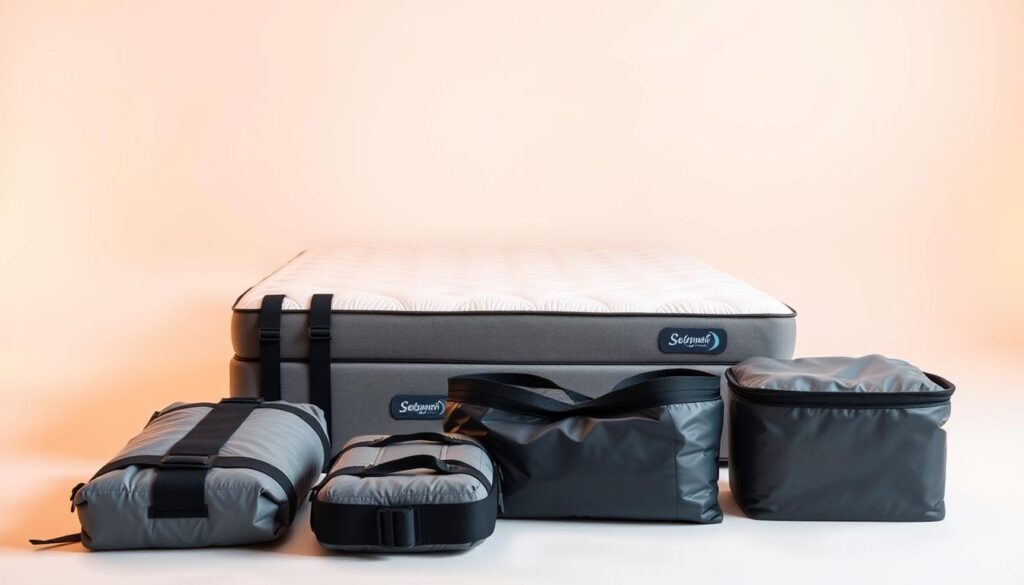
Proper mattress packing ensures you sleep better on the road without storage issues. Smart packing protects your mattress and saves space in your vehicle. The right method depends on your mattress type and travel setup.
Modern travel mattresses, like the HIBER8, come in boxes for easy transport. Their compression technology lets us repack them when needed. But, we should avoid keeping them compressed for too long to keep them in good shape.
Folding vs. Rolling: What Works Best?
The best packing method depends on your mattress and storage space. Memory foam mattresses roll well and bounce back after unpacking. They need tight rolling and straps for security.
Hybrid mattresses need careful folding to avoid damage. They have internal coils that can get hurt. Always check the manufacturer’s guidelines before packing.
| Mattress Type | Best Packing Method | Compression Level | Recovery Time |
|---|---|---|---|
| Memory Foam | Rolling | High | 2-4 hours |
| Hybrid | Folding | Medium | 1-2 hours |
| Air Mattress | Deflating/Folding | Maximum | 5-10 minutes |
| Latex | Rolling | Low | 30 minutes |
Protecting Your Mattress During Transport
Effective mattress storage means protecting it from dirt, moisture, and punctures. We use heavy-duty bags or covers for travel. These barriers keep our mattress safe from other items and the environment.
Quality bags with handles make moving easier and safer. We choose waterproof options for outdoor trips. Proper protection extends mattress life and keeps it clean during travel.
A well-protected mattress lasts longer. Investing in good storage protection pays off in comfort and durability.
Space-Saving Storage Ideas
Smart storage solutions save space in any vehicle. We use under-bed spaces, overhead cabinets, and RV storage bays when protected. These travel packing tips help organize our gear well.
Vacuum-sealing is great for smaller mattresses and toppers. It reduces volume by up to 75% for compact storage. We keep storage areas clean, dry, and well-ventilated to avoid mold and odors.
External storage needs weatherproof protection and secure mounting. We check that our storage can handle our mattress’s weight and size. Proper planning prevents damage and makes it easy to access our sleep setup.
Maintenance Tips for Your Travel Mattress
Keeping your mattress in good shape is key to a good night’s sleep when you’re traveling. A well-cared-for mattress not only feels better but also saves money. Travel mattress care is very important when you’re always moving to different places.
From our experience, taking care of your mattress early on can prevent many problems. Regular care helps your mattress stay in top shape for all your trips.
Cleaning and Care Guidelines
We start by vacuuming our RV mattress every week. We use a handheld vacuum with special attachments for upholstery. This gets rid of dust, dirt, and allergens that travel with us.
For spills and stains, we clean them right away. Enzyme cleaners work well on organic stains like food or body fluids. For general cleaning, we mix gentle detergent with water.
We make sure the mattress is completely dry before using it again. Moisture can cause mold and bad smells.
“The key to mattress longevity is consistent care, not just crisis management when problems arise.”
Every month, we let our mattresses air out outside the RV. Fresh air and sunlight get rid of odors and moisture. We do this after long use or in humid weather.
When to Replace or Repair
Knowing when to fix your mattress can save you from bad nights. We watch for signs that our mattress needs help.
Deep indentations over two inches mean the mattress has lost its support. Torn covers, smells that won’t go away, and sagging are other signs.
For small problems, we know how to fix them. Small tears can be fixed with repair kits and fabric patches. Loose seams just need a little stitching.
| Issue | Repair Option | Replacement Needed | Cost Range |
|---|---|---|---|
| Small tears | Fabric patches | No | $10-25 |
| Loose seams | Stitching repair | No | $15-40 |
| Deep indentations | Not repairable | Yes | $200-800 |
| Persistent odors | Professional cleaning | Maybe | $50-150 |
Extending mattress life often means fixing small problems before they get big. We always have repair supplies ready for quick fixes on the road.
Storing Your Mattress Properly
Storing your mattress right is an art. We make sure it’s clean and dry before storing it for a long time. Even a little moisture can cause big problems.
We use breathable covers instead of plastic bags. Plastic traps moisture and can cause mold. Cotton or canvas covers let air in while keeping dust and pests out.
Storing in a climate-controlled area is best when you can. Extreme temperatures and humidity can damage your mattress. We avoid basements, attics, and other bad climate spots.
We never put heavy things on top of stored mattresses. This can cause permanent damage. Instead, we store them flat or on their sides in special places.
For mattress upgrades and long-term storage, we rotate our mattresses every few months. This stops permanent marks from forming in one spot.
Our storage checklist includes checking for pests, making sure it’s well-ventilated, and regularly inspecting the storage area. These simple steps have helped us keep our mattresses in great shape for years of travel.
Real User Experiences: Upgrading Matters
We’ve collected stories from road warriors who improved their sleep with mattress upgrades. These stories show how quality sleep changes travel. The mattress upgrade benefits are clear when you hear from those who’ve upgraded.
Every story we get shows why better sleep is worth it. Travelers say they have more energy and enjoy their trips more. Even the most skeptical travelers are surprised by the change.
Stories from the Road
Full-time RVers share amazing stories about their sleep improvements. One couple said their Tochta mattress is comfy and supportive after five years. This shows quality investments last a long time.
Another traveler said a hybrid mattress fixed their motion transfer issues. Before, every move from their partner would wake them. Now, they both sleep well through the night.
Budget-conscious travelers found great mattresses in Classic Brands. They can be trimmed to fit custom spaces perfectly. This road trip sleeping tips solution is great for unique RVs.
Dramatic Sleep Improvements
Travelers see big changes in their sleep quality. They sleep deeper and wake up less. Many say they rest better than at home.
Those who upgraded from thin mattresses see the biggest changes. One RVer used to dread bedtime but now looks forward to it. Their RV comfort experiences completely changed their travel life.
Sleep satisfaction scores go up by 40-60% after upgrades. Travelers wake up less stiff and have more energy. Some say their RV sleep is better than their home sleep.
Expert Advice from Seasoned Nomads
Professional travelers share tips on mattress choices. They say to invest in custom sizes for unique spaces. Custom RV mattresses with hinges are great for Murphy beds.
Experts suggest choosing the right materials for your climate. For hot weather, pick breathable fabrics and cooling tech. For cold, choose insulation and warmth.
The best advice is to not cut corners on quality mattresses. Test at home before traveling. Always have backup comfort solutions for unexpected situations.
These travel mattress reviews show how quality sleep gear can change your travel. Their stories help newcomers make smart comfort investments.
Conclusion: Elevate Your Sleep While Traveling
Upgrading your travel mattress is a smart choice for your adventures. Better rest changes your travel experience in big ways.
The Long-Term Benefits of Better Sleep
Quality sleep boosts your health and happiness. It makes your immune system stronger and your mind sharper. You’ll feel happier and make better choices.
Good sleep means fewer accidents and stronger bonds with friends. You’ll have the energy for hiking and exploring. Every view will be more beautiful when you wake up feeling fresh.
Affordable Upgrades for Every Traveler
There are affordable mattress solutions for everyone. Classic Brands has great memory foam options that won’t cost too much. For those willing to spend more, Tochta and HIBER8 offer luxury.
Simple mattress toppers can also make a big difference. They fit any bed, including RVs. This way, you can find the perfect fit for your needs.
Encouragement to Invest in Your Comfort
Investing in your comfort is worth it. Weekend warriors love traveling more after better sleep. Full-time RVers find joy in their lifestyle again.
The memories and adventures you’ll have are priceless. The health benefits are a bonus. This upgrade is key to a great traveling future.