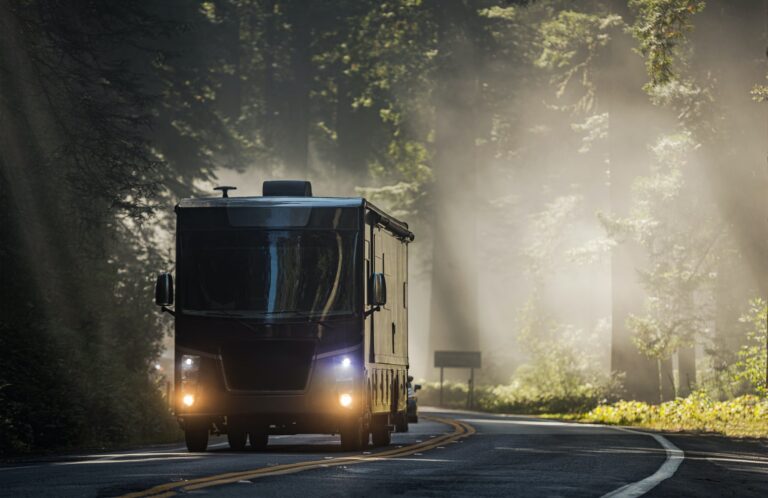
Welcome to our guide on RV camping terms! Starting in the RV world can be tough with all the special words. Learning these key terms will make your camping trips easier and more fun.
Boondocking is a big deal in RVing but often not well understood. It’s about camping on your own without hookups. You camp for free, using only what you bring.
Boondocking means no water, sewer, or electricity. You use your RV’s systems and tanks instead. Many RVers love it because it saves money and is very rewarding.
In this guide, we’ll cover the top RV camping terms. We aim to help you talk with other RVers and plan better trips.
Key Takeaways
- Boondocking means camping without hookups or amenities in your recreational vehicle
- This self-sufficient camping style offers free accommodation outside traditional campgrounds
- Understanding RV jargon helps you communicate effectively with other campers
- Dry camping requires relying on your RV’s built-in water, power, and waste systems
- Mastering these terms enhances your overall RVing experience and confidence
Understanding RVing: An Overview
RVing is more than a vacation; it’s a lifestyle that connects millions to the open road. It has its own culture, with specialized RV terms and traditions. These can be exciting but also overwhelming for newcomers.
Traveling in an RV means freedom to explore new places. It attracts people who love adventure and independence. Knowing RV culture helps us see why boondocking is so appealing.
What is RVing?
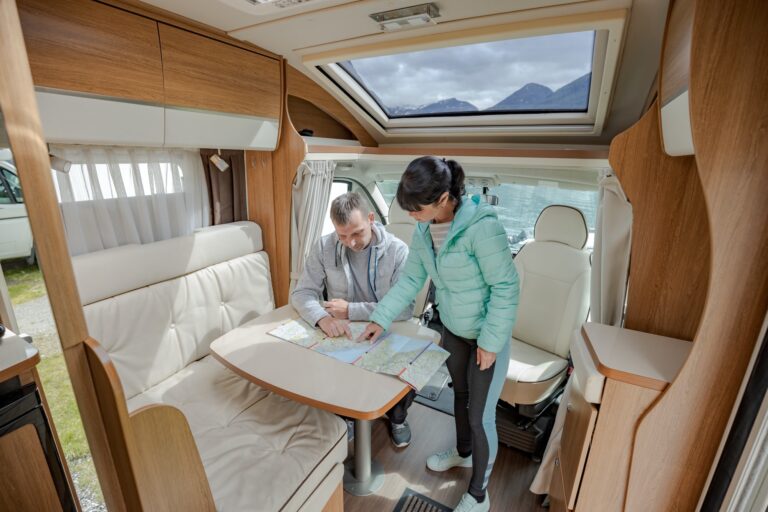
RVing is traveling and camping in a recreational vehicle. It’s for weekend trips or long adventures. You can wake up in a new place whenever you want.
The RV community uses RV jargon to talk about their experiences. Terms like “full hookups” and “dry camping” are common. New RVers learn these terms online, in conversations, and through experience.
Many start RVing to break free from routine vacations. RVers carry their home with them, making travel flexible for everyone.
Types of RVs
The RV world has several types, each for different travel styles and budgets. Motorhomes are self-contained, great for solo travelers or couples.
Travel trailers are the most popular, needing a separate tow vehicle. They range from small for weekend trips to large with luxury.
Fifth wheels offer spacious living areas, towed by a pickup truck. Class A, B, and C motorhomes meet different needs, from vans to bus-sized coaches. Knowing these helps newcomers understand RV jargon.
Popular RV Destinations
Traditional RV spots have established campgrounds with full hookups. National parks are top choices, but book months in advance.
State parks are great alternatives with lower costs and fewer crowds. Private RV resorts offer luxury, while KOA campgrounds are family-friendly.
But, many RVers seek solitude and authentic outdoor experiences. They turn to boondocking, away from crowded RV parks and their RV terms and rules.
What is Boondocking?
Boondocking is the ultimate freedom in RV camping. It lets adventurers enjoy nature without modern comforts. This dry camping explanation shows why it’s so appealing.
It’s about living simply and facing challenges. Boondocking helps us connect with nature in new ways. Many RVers say it changes how they see travel and outdoor adventures.
Definition of Boondocking
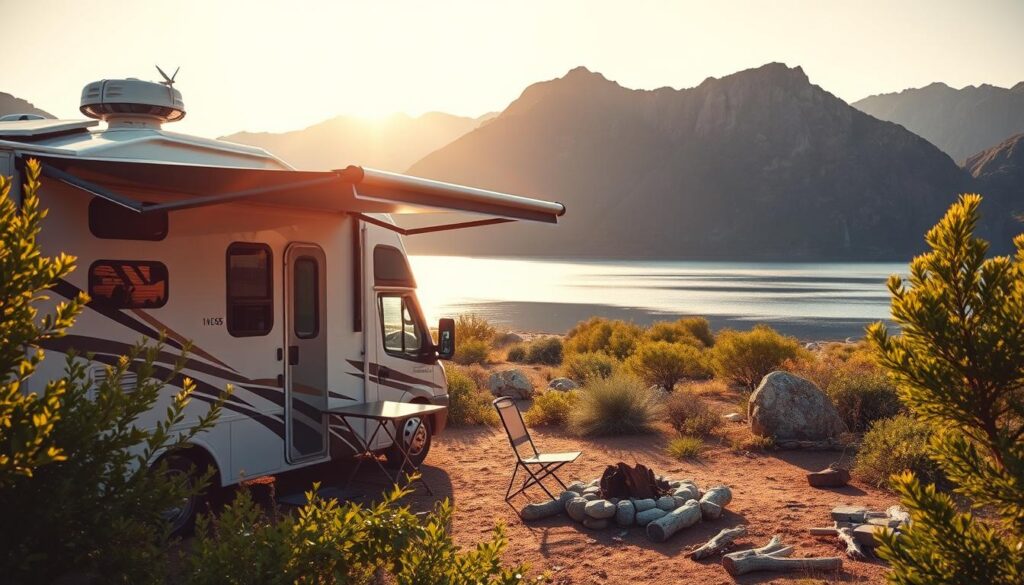
RV boondocking means camping without hookups. This means no water, no electricity, and no sewer connections. It requires specific conditions to be met.
To truly boondock, you must camp for free outside campgrounds. You can’t use paid campsites or get services from campgrounds. Your RV’s systems and your skills are all you need.
The best boondocking also means being far from cities. This isolation is key to the true wilderness experience. Without it, you’re just dry camping.
| Boondocking Requirements | Must Have | Cannot Have | Location Type |
|---|---|---|---|
| Water System | Self-contained tanks | External hookups | Remote areas |
| Power Source | Batteries/solar/generator | Electric hookups | Public lands |
| Waste Management | Holding tanks | Sewer connections | Dispersed camping sites |
| Cost | Free camping | Paid campgrounds | Away from civilization |
Many confuse boondocking with other camping styles. Off-grid living in an RV can happen in many places. But true boondocking has strict rules. These rules change how you prepare, what gear you need, and what you expect from your trip.
“Boondocking isn’t just about saving money on campgrounds. It’s about finding that perfect spot where the only sounds you hear are wind through the trees and maybe a distant coyote call.”
History of Boondocking
Boondocking’s roots go back to early American pioneers and explorers. They traveled with self-sufficient wagons. Modern RV boondocking started in the 1960s and 1970s.
The term “boondocking” comes from military slang. It means remote or wild areas. RV campers adopted it as their community grew.
Technology in the 1980s and 1990s made boondocking easier. Improved battery systems, solar panels, and efficient appliances let RVers stay off-grid longer. These changes made boondocking a comfortable lifestyle choice.
The internet age changed boondocking culture a lot. Online forums, GPS, and apps helped boondockers share tips. This digital connection helped people disconnect from modern life.
Today, boondocking attracts a diverse group. We see retirees, digital nomads, and families seeking authentic outdoor experiences. The COVID-19 pandemic made socially distanced camping more popular.
Modern boondocking is now sophisticated. Advanced solar systems, lithium batteries, and satellite internet make off-grid stays comfortable. But the core appeal remains the same: freedom, solitude, and nature.
Types of Boondocking
Boondocking can be divided into three main types. Each type suits different preferences and skill levels. Knowing these helps you pick the perfect boondocking experience for you.
The RV terminology breakdown gets clearer when we look at how different places use terms. Some call it “boondocking,” others “dry camping” or “dispersed camping.” These names matter when planning your trip.
Dispersed Camping
Dispersed camping is the most traditional boondocking on public lands. It’s found on places like National Forests and BLM areas. Forest rangers call it this, not “boondocking.”
These spots offer free camping without hookups or amenities. You camp in nature, away from campgrounds. You can stay up to 14 days before moving at least 25 miles.
Dispersed camping is great because it’s easy to get to and affordable. Public lands welcome RVs of all sizes, but some areas might not be good for big rigs.
Parking Lot Camping
Parking lot camping is for convenient stops on long trips. Places like Walmart, Cracker Barrel, Cabela’s, and Camping World let RVs stay overnight.
It’s important to be respectful and call ahead to confirm parking. Some places might not allow overnight parking, or have rules during busy times.
To be a respectful guest, buy something from the store, keep it quiet, and leave it clean. This helps keep good relations with businesses.
Off-Grid Boondocking
Off-grid boondocking is the most challenging and rewarding type. It means camping in remote areas without any connection to the outside world. You’ll use your RV’s systems for everything.
It requires a lot of preparation and knowledge of RV systems. You might camp in deserts, mountains, or coastal areas far from towns. Cell phone service is usually not available.
The rewards are unmatched solitude and beauty. Off-grid boondocking lets you see places few people do. But, it needs careful planning and knowing your equipment well.
Benefits of Boondocking
Boondocking is more than just saving money. It’s a lifestyle that changes how we enjoy the outdoors. In RV slang and camping culture, boondocking is a top choice. It offers three big benefits that attract many RVers to remote spots.
Whether you’re a weekend camper or a full-time traveler, knowing these benefits shows why boondocking is key in the RV world.
Cost Savings
Boondocking can save a lot of money for those who watch their budget. Private campgrounds cost $30-80 per night. But, boondocking on public lands is free.
A family on a three-month trip could save $2,700-7,200 by choosing free spots. Even with occasional RV park stays, the savings are big.
National forests and Bureau of Land Management areas are great for free camping. We can stay up to 14 days without paying a fee.
The money saved can be used for fuel, food, or longer trips. Many boondockers can travel twice as long without breaking the bank.
Connection with Nature
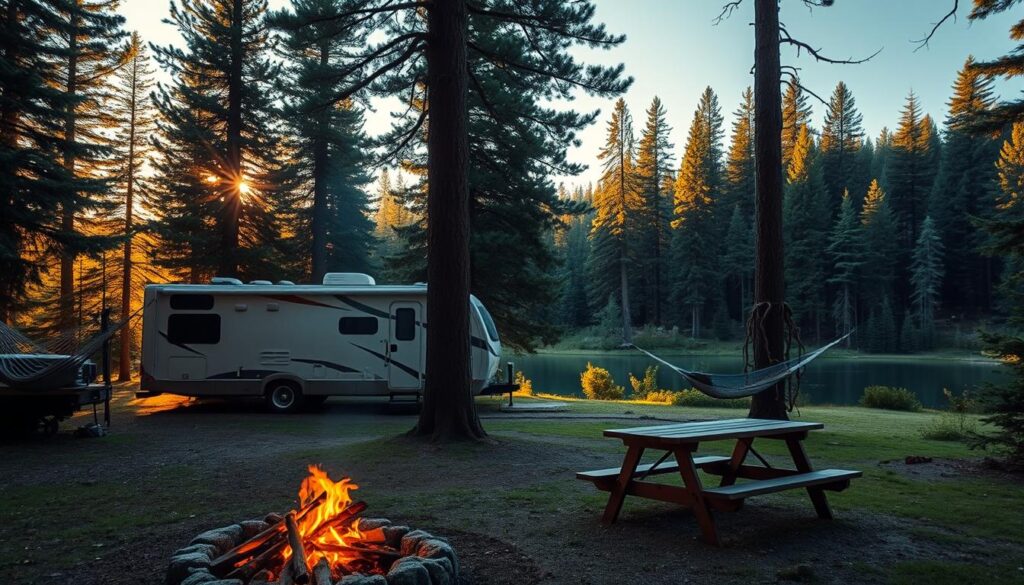
Boondocking lets us enjoy pristine wilderness. We wake up to birds and wind, not generators and RVs.
Being in nature is good for our minds. It reduces stress, boosts mood, and improves well-being. Crowded campgrounds can’t offer this peace.
Wildlife visits are common. We might see deer, eagles, or desert animals. These moments are unforgettable, unlike any hotel stay.
The silence and solitude of remote spots offer a rare chance to disconnect. It helps us reconnect with ourselves and others.
Freedom and Flexibility
Boondocking gives us complete freedom. We’re not tied to schedules or rules. We can stay longer if we find a great spot.
If we find a beautiful sunset, we can stay an extra day. We can move if the weather changes. This flexibility is perfect for adventurers.
Boondocking lets us live on our own terms. We can wake up when we want, take naps, or stargaze late. It’s a lifestyle that fits our natural rhythms.
Boondocking’s spontaneity matches the adventurous spirit of RV life. We follow our hearts and desires, not schedules or reservations.
Essential Gear for Boondocking
Having the right gear is key to a great boondocking trip. When we camp without hookups, our self-sufficiency depends on the equipment we bring. The right tools make camping comfortable.
Off-grid camping needs three main systems: power, water, and waste. These systems work together for a sustainable camp. We’ll look at the must-haves for long boondocking trips.
Solar Power Systems
Solar power is the heart of modern boondocking. It turns sunlight into electricity for our RV needs. Most boondockers use solar panels and deep-cycle batteries for power.
A solar setup has four parts:
- Solar panels – Turn sunlight into electricity
- Charge controllers – Control power to batteries
- Deep-cycle batteries – Store energy for night
- Inverters – Change 12V DC to 120V AC power
Weekend campers need 200-400 watts of solar. Full-time boondockers might use 600-800 watts or more. Start with 200 watts and add more as needed.
Generators are backup power but need fuel and make noise. Many places have quiet hours for generators.
12V fans are key without hookups. They use little power and keep us cool in hot weather.
Water Storage Solutions
Water management is a big challenge in boondocking. Fresh water is precious without RV parks. Smart storage and saving water extend our time without refills.
Good water storage includes:
- Built-in fresh water tanks – Main storage in most RVs
- Portable water containers – Extra for long trips
- Water jugs – Easy for drinking and cooking
- Collapsible containers – Save space
Save water with low-flow showerheads and foot-pump faucets. Navy showers also help. Collect rainwater for non-drinking uses.
Water purification keeps our water safe. Use portable filters, UV sterilizers, or purification tablets. Always check local water quality before using natural sources.
Waste Management Solutions
Good waste management keeps campsites clean and extends dump station visits. RV toilets use a lot of water and fill tanks fast. Smart waste solutions reduce our impact and make camping better.
Composting toilets are a great alternative. They separate waste and use natural processes. They don’t need black water tanks and save water.
Portable waste tanks are flexible for long stays. They let us empty tanks without moving the RV. This is super helpful in tight spaces.
Strategies for longer dump station visits include:
- Using biodegradable toilet paper
- Adding enzyme treatments to tanks
- Reducing food waste in gray water
- Using paper plates on long trips
Propane space heaters are efficient for heating. They warm areas without using much power. They’re great in cooler weather.
Choosing the right gear makes boondocking comfortable. Quality equipment leads to years of fun off-grid adventures. Start with basics and add more as you learn and camp more.
Safety Considerations for Boondocking
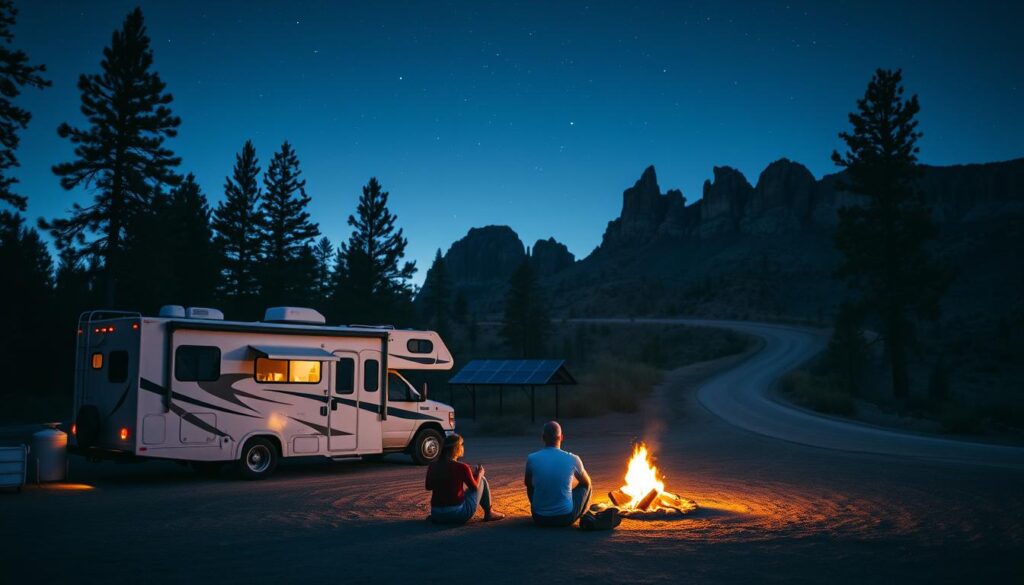
Boondocking is free and fun, but knowing safety tips is key. Many people worry about risks, but boondocking is safe if you prepare. Your RV is safer than a tent, with strong doors and walls.
Preparation and common sense are the keys to safety. Always tell someone where you’re going and when you’ll be back. This helps in emergencies.
Choosing Safe Locations
Finding the right spot is important for safety. Use online tools and reviews from RVers to check your destination. Google Earth and camping apps give good info on terrain and dangers.
Check the weather before you go and while you’re there. Storms can be dangerous, so watch the forecast. Flash floods and high winds are big risks.
Knowing about wildlife is key. Find out what animals are around and how to keep food safe. Bears and coyotes can be a problem if they think your campsite is a food spot.
Always have a way to leave. Avoid places with only one way in and out. This is very important during fires or bad weather.
Security Tips for RVers
Keep yourself and your stuff safe with tech and awareness. Use good locks on your RV and storage. Motion lights can scare off animals and people.
Stay alert and trust your gut. If something feels off, leave. It’s better to move than ignore signs.
Carry devices for emergencies like satellite messengers. Cell service is often bad in remote areas, so these devices can save lives.
| Safety Category | Essential Items | Why Important | Cost Range |
|---|---|---|---|
| Communication | Satellite messenger, two-way radios | Emergency contact when cell service fails | $150-$400 |
| Security | Motion lights, door locks, window covers | Deters wildlife and provides privacy | $50-$200 |
| Weather Protection | Weather radio, tie-downs, awning clips | Early warning and RV protection | $30-$150 |
| Wildlife Safety | Bear spray, secure food storage | Prevents dangerous animal encounters | $25-$100 |
Keep your RV in good shape and carry repair tools. A breakdown in the wild can be dangerous. Regular checks before trips prevent most issues.
Boondocking safety is about being ready and making smart choices. With the right planning and gear, you can enjoy off-grid camping safely.
Planning Your Boondocking Trip
Planning a boondocking trip well is key to a great adventure. Knowing your destination and RV well can make all the difference. Start planning at least two weeks early to avoid last-minute stress.
Weather is very important for boondocking. Always check the forecast and have a backup plan. Weather can change quickly, so be ready.
Researching Locations
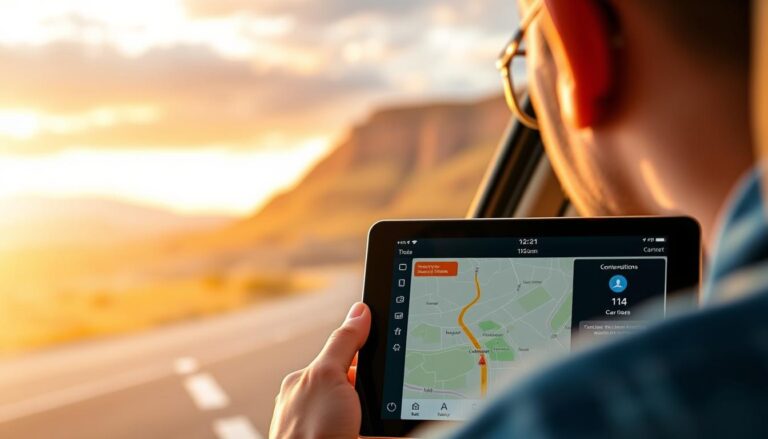
Finding the right spot for boondocking takes some work. Today, technology makes it easier than before. There are many apps and websites to help RVers find great spots.
Campendium is a top resource. It has reviews, photos, and lots of info. You can filter by what you need and get GPS directions.
iOverlander is great for overlanding and boondocking worldwide. It has updates from travelers. It’s perfect for finding remote spots.
FreeRoam is all about free camping on public lands. It shows where you can camp on Forest Service and BLM lands. You can see maps and rules.
Use Google Earth to check roads and terrain. Look for good spots and dangers. Social media and forums have tips from other boondockers.
Understanding Regulations
Public lands have different rules. Knowing these rules is important. Each place has its own rules that everyone must follow.
Bureau of Land Management (BLM) lands have a 14-day stay limit. You must move at least 25 miles after that. Some places have shorter stays during busy times. Fire rules change with the seasons.
National Forests also have 14-day limits. But, you might need to move only within the ranger district. Camping is usually allowed unless signs say not to.
State trust lands have stricter rules and might need a permit. These lands help state programs, so use is limited. Always check the rules before camping.
| Land Type | Stay Limit | Movement Requirement | Permit Needed |
|---|---|---|---|
| BLM Land | 14 days | 25 miles minimum | No |
| National Forest | 14 days | Outside ranger district | No |
| State Trust Land | Varies | Varies by state | Usually yes |
| National Park | Designated areas only | Not applicable | Reservation required |
Preparing Your RV
Getting your RV ready is key to a smooth trip. Make a checklist for mechanics, supplies, and safety. Test everything before you go.
Mechanical preparation means checking tires, fluids, and the battery. Make sure the generator works. Test lights, brakes, and electricals. Get any needed maintenance done early.
Water systems need extra care. Fill water tanks and test the pump. Look for leaks in plumbing. Make sure gray and black tanks are empty and sensors work.
Stock up on food, water, propane, and toiletries. Plan meals that use little water. Bring extra batteries and a first aid kit.
System redundancy is important in remote areas. Have backup ways to light, cook, and charge devices. This gives you peace of mind.
Make a checklist for the last minute. Secure loose items and check everything is locked. Double-check your route and fuel stops.
Community and Resources for Boondocking
Connecting with other boondockers opens up new adventures. The boondocking community is very welcoming and helpful. They share tips on solar power setups and secret spots.
Boondocking works best with community wisdom and tech. Together, they make off-grid trips safer and more fun.
Online Forums and Groups
Social media and forums are buzzing with boondocking tips. Facebook groups like “Boondocking and Wild Camping” have thousands of members. They share tips and updates daily.
Reddit’s r/GoRVing and r/skoolies are great for asking questions. These forums are places of respectful sharing. Newbies get help from the experienced.
It’s important to respect these communities. They don’t share exact GPS locations to avoid overcrowding. Instead, they give general areas to explore.
The best contributions follow the “leave no trace” ethic. This means being kind to the environment and online communities.
Apps for Finding Campgrounds
Smartphone apps have changed how we find boondocking spots. They offer reviews, photos, and important details like cell coverage.
Campendium is a top resource for boondocking. It has real user reviews, GPS, and filters for specific needs. Users can add photos and reviews to help others.
iOverlander is great for finding remote spots in North America. It has offline maps for areas without cell service.
The Dyrt offers free and paid versions. The paid version has more features like offline maps. It’s good for both traditional and boondocking trips.
FreeRoam focuses on free camping in public lands. It has detailed info on regulations and seasonal availability.
| App Name | Best Feature | Cost | Offline Capability | User Reviews |
|---|---|---|---|---|
| Campendium | Comprehensive boondocking database | Free with premium options | Limited | Excellent detail and photos |
| iOverlander | International coverage and offline maps | Free | Full offline functionality | Detailed location descriptions |
| The Dyrt | Mixed campground and boondocking spots | Free and premium tiers | Premium only | Professional and user-generated |
| FreeRoam | Focus on free public land camping | Free | Basic offline features | Regulation and restriction details |
Helping out on these platforms helps everyone. We should leave honest reviews and update info. This way, we all get the latest info.
Using different apps together is smart. Each app has its own strengths. Cross-checking helps confirm location details.
Remember, tech is just a tool. Boondocking also needs planning, the right gear, and respect for nature and rules.
Common Misconceptions About Boondocking
RV forums often see debates about boondocking. These talks can get very passionate. But, clearing up the confusion helps our community talk better.
Different Types of Off-Grid Camping
Many mix up boondocking with dry camping and dispersed camping. Dry camping means RV camping without hookups. You might pay or camp for free, in a campground or the wilderness.
Tent camping doesn’t need hookups, so calling it “dry camping” is silly. Boondocking is free camping away from campgrounds. Dispersed camping is on public lands like national forests. Each term has its own place in RV talk.
Environmental Concerns
Some say boondocking harms the environment. We disagree. Responsible boondockers leave smaller footprints than campers in campgrounds. We follow Leave No Trace principles.
We pack out our trash and use biodegradable soaps away from water. Our community watches out for the natural areas we love. We report damage and teach newcomers about right practices. By camping responsibly, we keep these spots beautiful for future RV lovers.