The open road calls to more families, and they answer with their furry companions. Over 60% of RVers now take their pets on adventures. This trend means we need special gear, not just basic bowls.
RV pet travel essentials need careful thought. Your motorhome faces challenges that regular home gear can’t handle. You must prepare for temperature changes, small spaces, and outdoor camping.
Right equipment is key. It includes temperature control solutions and space-saving tools. We’ll show you the must-haves for safe, comfy trips. Whether you’re out for the weekend or full-time, the right gear makes your RV a pet-friendly home on wheels.
Key Takeaways
- Over 60% of RVers now bring their furry companions on road trips, creating demand for specialized gear
- Standard home pet supplies aren’t designed for the unique challenges of motorhome living
- Temperature control solutions are critical for pet safety in confined RV spaces
- Space-saving organization tools help maximize limited storage while keeping pet supplies accessible
- Proper preparation with the right equipment ensures comfortable journeys for both pets and owners
- Specialized RV pet gear addresses outdoor camping environments and fluctuating conditions
Planning Your RV Trip with Pets
Planning an RV trip with pets needs careful thought. We must prepare well before we start. Our pet-friendly RV gear and planning make the trip enjoyable for all.
Good RV adventures with pets start with research and prep. We think about our pets’ comfort, safety, and happiness. It’s more than just packing their favorite things.
Choosing Pet-Friendly Campsites
Finding the right campsites makes our trips memorable. Many RV parks welcome pets, but we must research first. Apps like Bring Fido help us find pet-friendly stops along the way.
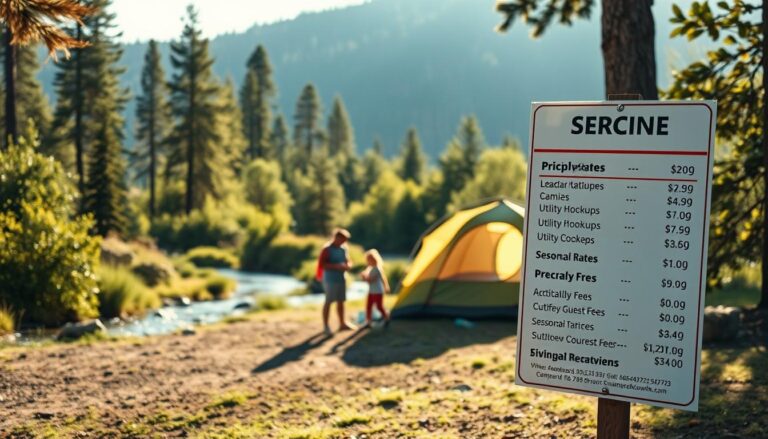
We always check RV park pet policies and fees before we go. Some parks charge extra for pets, while others include it in the rate. Knowing this ahead of time avoids surprises.
The best campsites for pets offer special amenities. These include dog runs, fenced areas, and dog washing stations. Some parks even give pets welcome bags with treats and toys.
| Campsite Feature | Benefit for Pets | Benefit for Owners |
|---|---|---|
| Dog Runs | Safe exercise space | Peace of mind |
| Washing Stations | Clean and comfortable | Easy cleanup |
| Off-leash Areas | Freedom to play | Social opportunities |
| Pet Welcome Bags | Special treats | Feeling welcomed |
Essential Safety Precautions
Safety is key when traveling with pets. We find emergency vet clinics along our route before leaving. This can save time if our pet needs urgent care.
Knowing campground rules and leash laws keeps everyone safe. Most places require pets to be leashed in common areas. We follow these rules for a good experience for all.
“Preparation prevents poor performance, when traveling with pets who depend on us for their safety and comfort.”
Weather can change quickly on RV trips. We pack for hot and cold weather. Our RVing with pets checklist includes cooling mats for summer and warm blankets for cold nights.
We also think about our pets’ needs and limits. Older pets need more breaks, while young ones need more exercise. We plan for these needs.
Travel Regulations to Consider
Travel rules change by state and affect our RV trips with pets. We check vaccination rules for each state we visit. Some states require rabies vaccinations and health certificates.
Pet registration rules vary by state. While most states don’t require registration for short visits, some do. We check local laws to avoid legal trouble.
National parks often have stricter pet rules than state parks or private campgrounds. Many national parks limit pets to paved areas and ban them on trails. We plan other activities for these places.
Border crossings into Canada or Mexico need extra pet documents. Health certificates, vaccination records, and sometimes quarantine apply. We research these needs well before international travel.
Our detailed RVing with pets checklist includes all needed documents. We keep copies of vaccination records, health certificates, and ID papers handy. Digital copies on our phones are backup if physical ones get lost.
Some places have breed-specific rules we must consider. Certain campgrounds or areas may have rules about specific dog breeds. We research these to avoid disappointment.
Packing Essentials for Your Pets
Getting the right stuff for your pets makes RV trips great. You don’t have much room in an RV, so pick items wisely. The best pet supplies for RVing keep your pets comfy, safe, and easy to care for.
Being organized helps avoid stress when you need something fast. Make a special spot for your pet’s stuff in the RV. This makes things easier for you and your pets on the road.
Food and Water Supplies
Plan ahead for food and water for your pets. Pack enough for the whole trip plus three extra days. This way, you won’t have to rush to find pet stores if you’re stuck.
Collapsible bowls are a must for RV trips. They save space and let your pets eat and drink comfortably. Stainless steel bowls are best because they’re tough, easy to clean, and don’t smell like plastic.
Having extra water is key, even more so in places far from water sources. Bring extra water for your pets and some water purification tablets as a backup.
Comfortable Bedding and Crates
Your pets need a cozy, familiar spot in the RV. Bring their favorite blankets for comfort and to ease travel stress. Portable crates or carriers offer a safe place for your pets to hide when they’re feeling scared.
Choose bedding that fits your RV’s space but is comfy for your pets. Memory foam beds are great because they’re small when packed but big and comfy for your pets.
“A comfortable pet is a happy traveler, and happy travelers make for memorable adventures.”
Leashes, Collars, and ID Tags
It’s very important to have your pets’ ID tags up to date when traveling. Update tags with your cell number and trip contact info. This is key for pets who might get lost in new places.
Always have extra leashes and collars ready. These must-have pet accessories for RV trips can break or get lost. Have both a regular leash and a retractable one for different situations.
Microchipping is a permanent way to identify your pet. Make sure the chip info is updated before you leave. Carry the microchip paperwork with your travel documents.
Pet Health and Medications
Preparing your pet’s health essentials is key before any RV trip. Pet safety on the road starts with medical planning and having the right supplies. Our pets’ health doesn’t take a break, so we must be ready for anything.
Before packing, a vet check-up is a must. It ensures our pets are ready for travel. We can address health concerns and update vaccinations here. It’s also good to talk about our travel plans with the vet, as different places may need special treatments.
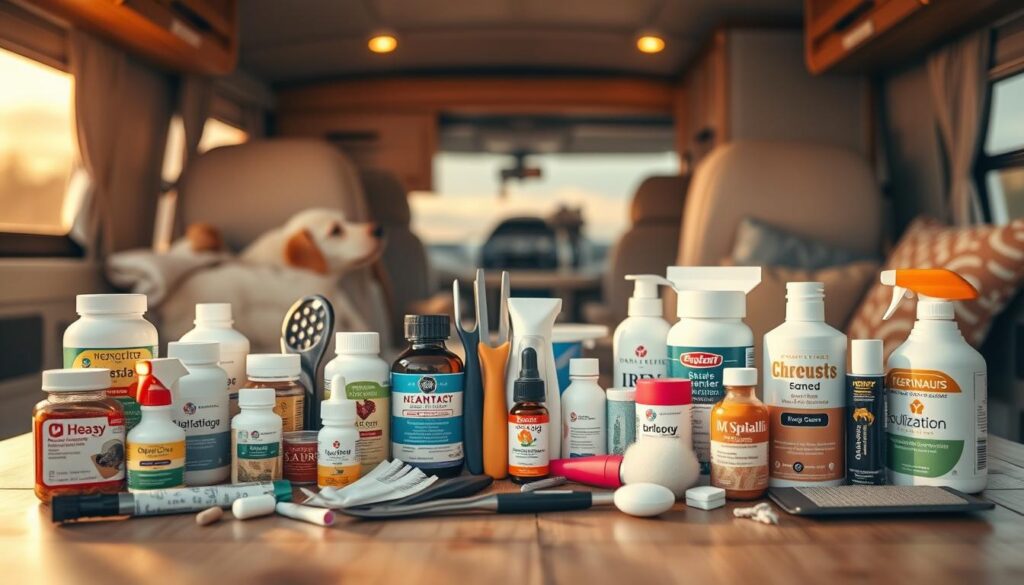
Vaccination and Health Records
Keeping vaccination records organized saves time and stress. We should have both physical and digital copies of all medical documents. Many campgrounds require proof of current vaccinations before letting pets in.
Important documents include vaccination certificates, health records, and prescription lists. We also need pet insurance info and emergency contact numbers. Some places may need extra vaccines like for leptospirosis or Lyme disease.
Digital copies on our phones are a backup when physical ones get lost. It’s smart to take photos of all important papers and store them in a secure cloud folder.
First Aid Kit for Pets
A pet first aid kit is a must-have for RV travel. We never know when minor injuries or health issues might happen. The right supplies can turn a small problem into a big one.
Our kit should have bandages, antiseptic wipes, and a digital thermometer. Tweezers for splinters, emergency blankets, and instant cold packs are also needed. The Pet Poison Control number (855-764-7661) should be easily accessible in case of poisoning.
Check the expiration dates of all medical supplies before each trip. Fresh supplies are key when we need them most.
Regular Medications and Supplements
Pets on regular medications need extra care during travel planning. Bring more medication than needed, in original containers. This helps avoid confusion and ensures vets understand our pet’s treatment history.
Include detailed dosage instructions and our home vet’s contact info with all medications. Research emergency vet clinics along our route. Preventive medications for heartworm, fleas, and ticks are vital in new environments.
| Health Essential | What to Include | Storage Tips | Emergency Use |
|---|---|---|---|
| Vaccination Records | Current certificates, health history, insurance info | Physical and digital copies | Campground entry, vet visits |
| First Aid Supplies | Bandages, antiseptic, thermometer, tweezers | Waterproof container, check expiration dates | Minor injuries, poison emergencies |
| Medications | Prescriptions, supplements, preventives | Original containers, extra supply | Chronic conditions, parasite prevention |
| Emergency Contacts | Home vet, poison control, pet insurance | Phone contacts, written backup | Medical emergencies, insurance claims |
Think about our travel destinations when choosing preventive treatments. Wooded areas need tick prevention, and humid climates require heartworm protection. This keeps our pets healthy and our trips worry-free.
Entertainment and Activities for Pets
Pets can get bored and anxious when traveling in RVs. They need fun activities to stay happy and healthy. Planning fun for pets is key for a great trip.
We mix familiar comforts with new fun. This keeps pets safe and happy. It stops them from getting stressed or destructive.
Toys to Keep Pets Engaged
Favorite toys from home make pets feel safe and happy. Interactive puzzle toys are great for RVs because they’re fun and don’t take up much space.
Change toys often to keep pets interested. Choose toys that make sounds, are chewable, and hide treats. This keeps them busy and happy.
Quiet toys are best for RV travel. Choose toys that don’t make too much noise when you’re near other campers. Puzzle mats and silent chew toys are good choices.
“The best travel toys are those that engage multiple senses while being compact enough for RV storage. Interactive feeders and puzzle toys can turn mealtime into entertainment time.”
Outdoor Activities for Dogs
Walking and hiking are great for dogs. We find pet-friendly trails and campgrounds. Exercise keeps dogs happy and balanced during long trips.
Portable dog fences are useful for safe outdoor play. They keep dogs safe while they play. They’re great for when you’re camping.
Swimming is great for dogs who love water. We look for dog-friendly lakes and beaches. Always check safety before swimming.
When hiking with dogs, be prepared. Bring water, extra leashes, and paw protection. Start with short hikes and gradually get harder.
Relaxation Techniques for Cats
Cats like quiet, cozy places during travel. We use familiar blankets and bedding. Elevated perches let them watch while feeling safe. Think about cat shelves or trees.
Cats might like outdoor time in safe enclosures. These give them fresh air and a view. But don’t force it if they don’t want to go outside.
Leash training is fun for cats. Start early and use positive methods. Not all cats will like walking on a leash, and that’s okay.
Familiar smells help cats relax. Bring home items like blankets or clothing. These keep them calm during travel.
Play with feather wands or laser pointers. This is fun and keeps them active. Play during their active times, like dawn and dusk.
Feeding Your Pets on the Road
Your pet’s diet doesn’t stop when you travel in your RV. Maintaining consistent nutrition is key for RV travel with dogs and cats. We’ve found that proper meal planning prevents digestive issues and keeps our pets happy.
Traveling with pets in an RV means more than just packing food. We must think about storage, feeding times, and keeping them hydrated. The small space of an RV brings unique challenges we must solve before we leave.
Travel-Friendly Pet Food Options
We stick to our pets’ usual food on RV trips. Changing their diet can upset their stomach and stress them out. Always pack enough for the trip and three extra days in case of delays.
Using portion-controlled containers helps in RV storage. Airtight containers keep food fresh and pest-free. They also make meal prep easier in the RV’s small kitchen.
Dry kibble is better for long trips than wet food. But, if your pet needs wet food, use single-serving pouches. They save space and reduce waste.
Hydration Tips During Travel
Access to fresh water is key on RV trips, with changing climates and altitudes. We carry collapsible water bowls for outdoor activities. These bowls are great for RV travel because they save space.
Watch your pet’s water intake more closely while traveling. Stress and excitement can change their drinking habits. Some pets drink less when nervous, others more.
Change water daily and clean bowls often. RV water tanks can get bacteria. We use bottled water for our pets in questionable areas. Bringing a portable water filter is a good idea for long trips.
Scheduled Feeding Routines
We stick to our pets’ usual feeding times on trips. Keeping schedules helps reduce stress and prevent digestive issues. Plan rest stops around mealtimes on long drives.
Make a special feeding area in your RV. This helps establish routine and prevents food from moving around. Familiar feeding spots comfort them in new places.
Always pack extra food for unexpected delays. Weather, mechanical issues, or route changes can extend your trip. We learned this the hard way and now always pack extra.
Avoid feeding pets big meals before driving. Motion sickness affects them like humans. Small, frequent meals are better on travel days.
Comfort and Cleanliness While Traveling
Keeping your RV clean and comfy is key for a great pet travel experience. RVs are small, so keeping them clean and organized is important. Having the right supplies makes it easier to keep things nice for everyone.
Pet messes and smells can quickly fill a small RV. The right cleaning tools and grooming supplies stop small problems from getting big. Planning ahead helps you deal with the challenges of RV pet travel.
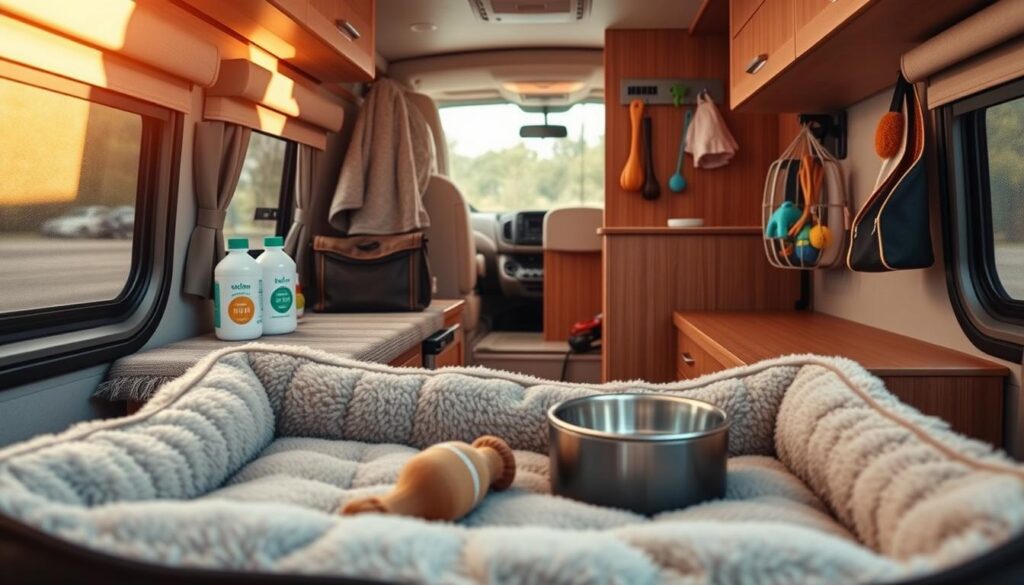
Grooming Supplies for Your Pets
Grooming is more important in an RV’s small space. We use pet shampoos that work well with little water and rinse fast. Good brushes for your pet’s coat help with shedding.
Pet wipes are great for quick cleanups. We bring extra towels for pets, like after muddy walks. Waterless shampoos are useful when you can’t bathe your pet at the campsite.
Don’t forget nail clippers and ear cleaners for long trips. Regular grooming makes pets feel better and less stressed. De-skunking products are handy for unexpected wildlife encounters.
Cleaning Supplies for Messes
Accidents happen, and we’re ready with safe cleaning products for RVs. Enzymatic cleaners get rid of smells and stains well. They break down organic matter instead of just covering up smells.
We use paper towels and disposable cloths to clean up fast. A spray bottle with pet-safe disinfectant is always nearby. Microfiber cloths are great for pet hair and dander.
Carpet spot cleaners for pet messes save time and effort. We have both liquid and powder cleaners for different messes. Odor-neutralizing sprays add extra freshness between deep cleans.
Keeping Your RV Fur-Free
Dealing with pet hair in an RV needs a proactive plan. We use furniture covers and washable throws to keep fur off upholstery. Brushing pets outside stops hair from spreading inside.
A portable vacuum for pet hair makes daily cleaning easier. Rubber gloves are surprisingly good for removing pet hair from fabrics. Lint rollers are great for quick touch-ups.
Having pet areas helps keep fur in one place. We use washable pet bedding for easy cleaning at laundromats. Air purifiers with HEPA filters keep the air fresh and clean.
| Supply Category | Essential Items | Recommended Quantity | Storage Tips |
|---|---|---|---|
| Grooming Supplies | Pet shampoo, brushes, nail clippers, pet wipes | 2-week supply minimum | Waterproof container in bathroom area |
| Cleaning Products | Enzymatic cleaner, paper towels, disinfectant spray | Extra bottles for longer trips | Under-sink cabinet with child locks |
| Fur Management | Portable vacuum, lint rollers, furniture covers | Daily use items easily accessible | Designated cleaning supply bin |
| Emergency Supplies | De-skunking shampoo, extra towels, spot cleaner | One complete set per pet | External storage compartment |
Keeping your RV clean and comfy needs daily habits, not just occasional deep cleans. Small efforts every day prevent big cleaning jobs later. These essentials make RV travel enjoyable for pets and people alike.
Ensuring Safety During Travel
We must take many steps to keep our pets safe on the road. Pet safety on the road is more than just making them comfortable. It means using the right restraints, driving carefully, and having a plan for emergencies.
Every RV trip with pets needs special safety steps. We must keep our pets safe while driving. We also need to plan for unexpected situations that could harm them.
Securing Pets in the RV
Using the right restraints is key to keeping pets safe. Crash-tested pet seatbelts are the best for dogs and cats in motorhomes. We should put these restraints in the dinette area, not letting pets roam free while driving.
Crates are also a good choice for safety. They must be anchored well to prevent sliding during sudden stops. Never place crates on beds or couches where they could become dangerous in an accident.
In towable RVs, pets must ride in the tow vehicle. It’s illegal and unsafe to transport animals in trailers while driving. This rule is for all states, ensuring pets get the air and watch they need.
Driving Considerations with Pets
Driving with pets changes how we drive. We need to stop every two hours for pets to use the bathroom and get some exercise. Pet safety on the road also means keeping the RV at a comfortable temperature.
Sudden stops and sharp turns can scare or hurt our pets. We should drive more carefully than usual. Slow starts and gentle stops help keep our pets calm and safe.
Keeping the temperature right is very important. We must always check the RV’s temperature. Never leave pets unattended in vehicles without air conditioning, which is very important in summer.
Emergency Rescue Plans
Having a good emergency plan keeps our pets safe in bad situations. We should find emergency vet clinics along our route. Contact information for 24-hour animal hospitals should be in our emergency kit.
Having backup caregivers is very important in emergencies. We need people who can get our pets if we can’t. They should know our pets’ medical history and how to care for them.
Smart temperature monitors warn us of dangers. These devices send alerts to our phones if the RV’s temperature gets too high. We should never just rely on our own judgment when leaving pets in the RV.
| Safety Equipment | Purpose | Recommended Features | Usage Guidelines |
|---|---|---|---|
| Crash-tested Pet Seatbelt | Restraint during driving | Center for Pet Safety approved | Secure in dinette area only |
| Anchored Pet Crate | Safe containment while moving | Heavy-duty latches, ventilation | Bolt to floor or secure with straps |
| Temperature Monitor | Climate safety alerts | Smartphone connectivity, battery backup | Place away from direct sunlight |
| Emergency Contact List | Crisis communication | 24-hour availability, GPS locations | Keep multiple copies accessible |
Emergency supplies are very important in our safety plans. We should pack extra food, water, and medicine for at least three days. These supplies should be separate from our regular travel supplies so they’re ready in emergencies.
Doing safety drills helps us get ready for real emergencies. We should practice getting our pets out of the RV quickly. This practice helps us stay calm and act fast in real emergencies.
Keeping Pets Calm During Drives
RV travel can be scary for pets. We can make them feel better with the best pet supplies for RVing. Knowing what they need helps us make travel calm for them.
Each pet shows stress in their own way. Dogs might pant a lot or pace. Cats might hide or meow loudly. Spotting these signs early helps us calm them down.
Calming Products and Techniques
Vets recommend pheromone products for anxious pets. Adaptil diffusers help dogs feel safe. Feliway does the same for cats.
Anxiety wraps give pets a hug. They work like swaddles for babies. Many find them great for travel stress.
Natural supplements can also calm pets. Products with chamomile or valerian root help. Always check with your vet before trying new supplements.
For really bad cases, vets might suggest medicine. This can help with travel sickness or anxiety. Your vet will choose the best option for your pet.
Creating a Cozy Spot for Rest
Having a special spot in the RV helps pets feel safe. Pick a quiet, well-ventilated area. It’s their safe place when they’re scared.
Bring your pet’s favorite blanket or bed. The smell of home comforts them during stressful times.
Favorite toys are great for distracting pets from anxiety. A favorite stuffed animal or chew toy can help. These items are key for happy RV trips.
Keeping pets cool is important. Make sure their area has good airflow. Use fans for extra air when it’s hot.
Routine and Familiarity
Keeping a regular feeding schedule helps pets feel secure. Stick to their usual meal times. Bring their regular food and bowls to keep things normal.
Start with short drives before long trips. This helps pets get used to the car. Gradually increase the trip length as they get more comfortable.
Soft music can make the drive feel more peaceful. Classical or nature sounds work well. There are playlists made just for pet relaxation.
Staying calm helps your pet relax too. Animals sense our emotions. So, breathe deeply and stay positive while driving.
| Calming Method | Best For | Effectiveness | Cost Range |
|---|---|---|---|
| Pheromone Diffusers | Dogs and Cats | High | $15-30 |
| Anxiety Wraps | Dogs | Moderate to High | $20-40 |
| Natural Supplements | Both Species | Moderate | $10-25 |
| Prescription Medication | Severe Cases | Very High | $25-75 |
Positive reinforcement makes travel better for pets. Give treats and praise when they’re calm. This makes them look forward to trips.
Creating a calming plan takes time and trying different things. What works for one pet might not work for another. The best pet supplies for RVing often mix different methods for the best results.
Some pets might never love travel, and that’s okay. Our goal is to reduce their stress and keep them safe. With the right preparation and supplies, RV trips can be fun for everyone.
Socializing Pets on the Road
RV adventures are great for helping pets make new friends. These social moments can make our pets’ trips better and create memories for everyone. But, we need the right must-have pet accessories for RV trips for good experiences.
We always watch over these social times. Every pet is different and has its own comfort level and likes. We respect these differences on our travels.
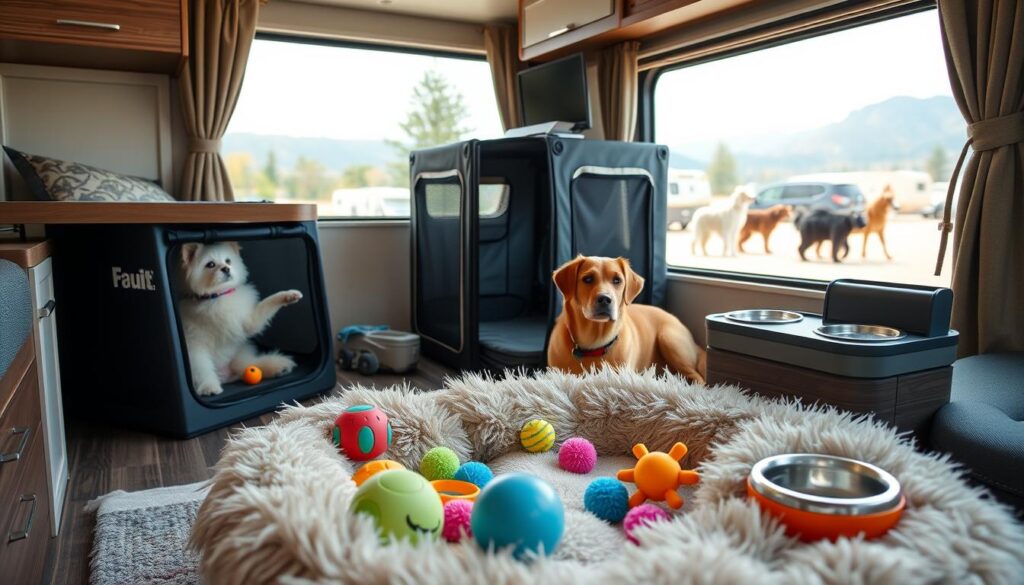
Meeting Other Pets and Owners
Campgrounds are perfect for pets to meet others. We’re patient and aware of our pets’ needs and others’ too. Not every pet or owner wants to meet, so we always ask first.
We keep our pets on leashes at first. This helps us control them and makes everyone feel safe. We look for signs of happiness like relaxed bodies and playful actions before letting them get closer.
It’s important to respect everyone’s space. We keep the right distance and never push our pets into uncomfortable situations.
Dog Parks and Play Areas
Many RV parks have dog runs and off-leash areas for exercise. We check these places carefully before letting our pets play. Safety, cleanliness, and upkeep are key for us.
We check the fences and look for dangers like broken glass or toxic plants. We also think about the other dogs there before joining in. Having the right must-have pet accessories for RV trips like water bowls and waste bags is important.
We clean up after our pets right away. This means picking up waste and making sure our pets don’t hurt anything or disturb others.
Understanding Pet Behavior in New Environments
Travel can stress pets, even if they’re usually calm. We watch for signs of overstimulation, anxiety, or aggression and are ready to leave if needed. New places can surprise our pets.
We look for signs like too much panting, shaking, or showing aggression. If we see these, we take our pets to quieter spots. Getting pets used to new things takes time and patience.
Before going on hikes, we check if they’re okay for pets and if leashes are needed. Some trails don’t allow pets to protect wildlife or keep trails nice. Having ID tags and up-to-date vaccination records as part of our must-have pet accessories for RV trips is important.
Traveling with Multiple Pets
RV trips get more complicated with multiple pets, but it’s worth it. We need extra planning, patience, and creative solutions to manage them. It’s all about meeting each pet’s needs and keeping peace in the RV.
Our RVing with pets checklist gets longer with more pets. Each one has special needs we must plan for. From different eating times to exercise, we’re ready for the challenge.
Managing Space in the RV
Space is key when you have many pets in the RV. We make designated areas for each animal to avoid fights. We use vertical space with pet steps and beds to save floor room.
Each pet needs its own food and water spots to avoid fights. We place these in different spots in the RV. Cats get litter boxes in quiet spots, away from where we sleep and eat.
With more pets, we need better storage. We use labeled containers and compartments for each pet’s stuff. This keeps everything organized and easy to find on the road.
Individual Needs for Each Pet
Every pet is different, and that’s key for RV travel. We pack special food, meds, and comfort items for each one. Some pets need more breaks, while others need specific exercise.
We plan fun activities for all, considering their energy levels. Our energetic dog loves hikes, but our older cat likes to watch. Scheduling is key for feeding, meds, and exercise.
Temperatures can differ among pets. We make sure our RV’s climate control works for everyone. Sometimes, we use fans or heating pads for extra comfort.
Ensuring Harmony Among Pets
Keeping peace among pets in the RV is important. We respect their hierarchies and stress signals. We give them separate retreat spaces for when they need alone time.
Sticking to routines helps prevent fights. We keep regular times for eating, exercise, and sleep. If tensions rise, we have plans to separate pets until they calm down.
We watch their interactions closely for signs of stress or aggression. Individual attention helps prevent jealousy and keeps everyone secure. Knowing each pet’s stress signs helps us keep harmony in the RV.
Returning Home After the Trip
Our RV adventure doesn’t end when we park at home. Helping our pets adjust to home life is key. We’ve found that patience and slow changes help everyone settle back in.
Proper care after travel keeps our pets healthy and happy. This time also helps us plan better for future trips with our pets.
Re-establishing Routine
Getting back to normal takes time. We slowly bring back regular feeding, walking, and sleeping times over days. Sudden changes can cause stress, so we make small changes each day.
Some pets get “reverse travel anxiety” when they stop moving. They might seem restless or confused. Patience is key during this time, and we keep daily activities consistent to help them feel secure.
Caring for Pets Post-Travel
Our first step at home is a health check. We look for cuts, scrapes, or tick exposure. Early detection of health issues helps avoid bigger problems.
We watch for signs of upset stomach, changes in appetite, or odd behavior. Travel stress and diet changes can cause delayed reactions. If we see any concerning symptoms, we quickly book vet appointments.
We also update preventive treatments and vaccinations. We review any medications or supplements that might need changes after travel.
Lessons Learned for Future Trips
Every RV trip teaches us something new about traveling with pets. We keep detailed notes on what worked and what didn’t. These insights are invaluable for planning better trips.
We check our gear and supplies, noting what worked and what didn’t. Sometimes, we find out that certain top pet products for RV travel didn’t meet our expectations. This helps us improve our packing list for next time.
We also think about changing our travel schedule, campground choices, and daily routines. Maybe our dog needs more breaks, or our cat prefers certain camping spots. Each trip builds our knowledge and makes us better RV travelers with pets.
Conclusion: Enjoying RV Life with Your Pets
RV travel with pets opens doors to incredible adventures. These adventures strengthen bonds with our furry family members. The journey becomes more rewarding when we prepare properly and embrace the unexpected moments.
Final Tips for RV Travelers
Stay flexible during your travels. Weather changes and route adjustments happen. But, maintaining a calm attitude helps pets feel secure.
Pack your RV pet care essentials in easily accessible locations. Keep backup supplies on hand for emergencies.
Research pet-friendly stops along your route before departure. This planning saves time and reduces stress for both you and your pets during the journey.
Building Lasting Memories
Document your adventures through photos and travel journals. These memories become treasures as years pass. Watch sunrises together from your campsite.
Explore new hiking trails with your dogs. Create quiet moments for cats to observe wildlife from RV windows. Each shared experience deepens the connection between you and your pets while creating stories you’ll tell for years.
Embracing Adventure Together
Accept that RV pet travel brings surprises. Your dog might discover a favorite swimming spot. Your cat could find the perfect sunny napping location.
These unplanned discoveries often become trip highlights. The investment in quality RV pet care essentials and proper preparation pays off through unforgettable adventures. Our pets experience new sights, sounds, and smells while we enjoy their excitement and companionship on the open road.