Planning our next RV adventure means making a big choice. We have to pick between two different American regions. Each place has its own special things that can make our vacation dreams come true.
Southern states welcome us with warm hospitality and rich cultural traditions. On the other hand, Western territories offer dramatic mountain ranges and endless outdoor adventures. This RV travel comparison helps us understand what to expect from each region.
Our journey planning is more than just picking a direction. We must think about weather, terrain, and campgrounds. Budget considerations and what we like to do also matter a lot.
Knowing the differences between regions helps us pack right and set realistic goals. Whether we’re new to traveling or seasoned road warriors, knowing what’s ahead makes our adventure better and less stressful.
Key Takeaways
- Southern regions offer warm hospitality, cultural heritage, and comfort food experiences
- Western areas provide dramatic landscapes, outdoor adventures, and wide-open spaces
- Weather patterns and terrain vary significantly between regions, affecting travel planning
- Campground availability and pricing differ substantially across both areas
- Activity types range from cultural attractions in the South to outdoor recreation out West
- Budget considerations include fuel costs, campground fees, and regional price variations
Overview of RVing in the South
The South is special for RVing, with its rich culture and history. It’s different from other parts of the country. Here, we dive into stories from centuries ago to today.
RVing in the South is easy because the states are close together. We can see many places in a short time. Southern hospitality is real and we feel it every day.
Popular Destinations
The South has many great places to visit. Savannah, Georgia, is known for its beautiful squares and old buildings. It’s easy to walk around and see historic homes and streets.
Charleston, South Carolina, has old colonial buildings and views of the water. We can park our RVs and explore the French Quarter and old plantations. New Orleans, Louisiana, is unique with its mix of cultures.
Nashville, Tennessee, is the heart of country music. We can visit the Grand Ole Opry, music studios, and enjoy live music. Each place offers a taste of Southern culture and history.
| Destination | Key Attractions | Best Season | RV Accessibility |
|---|---|---|---|
| Savannah, GA | Historic squares, trolley tours, riverfront | Spring/Fall | Excellent |
| Charleston, SC | Antebellum homes, gardens, harbor | Spring/Fall | Good |
| New Orleans, LA | French Quarter, jazz clubs, cuisine | Winter/Spring | Moderate |
| Nashville, TN | Music venues, studios, honky-tonks | Year-round | Excellent |
Unique Attractions
The South has attractions you can’t find anywhere else. Historic plantations tell us about our nation’s past. We can see the grandeur and harsh realities of life back then.
Civil War battlefields let us see important moments in American history. Places like Gettysburg and Antietam make history come alive. Underground caverns, like Tennessee’s Lost World Caverns, show natural wonders formed over millions of years.
Bourbon distilleries in Kentucky teach us about American spirits. We can tour old facilities and try products that show the region’s character.
“The South is a place where history lives and breathes in every corner, from the grand mansions to the smallest country churches.”
Cultural Experiences
RVing in the South is all about culture. We enjoy local festivals, like jazz music and barbecue competitions. These events give us real tastes of regional traditions and community spirit.
Every small town has its own story. Local museums, historic societies, and community centers welcome us. We learn that locals are proud to share their heritage with visitors.
The South’s culinary traditions offer unforgettable meals. From Louisiana’s Creole food to Georgia’s peach festivals, we taste flavors that show centuries of cultural mixing. Local eateries are often the best part of our trips, recommended by friendly locals.
Music heritage sites in the South connect us to American popular music. We can visit the birthplaces of blues, country, and rock ‘n’ roll. These experiences help us see how Southern culture has shaped the nation.
Overview of RVing in the West
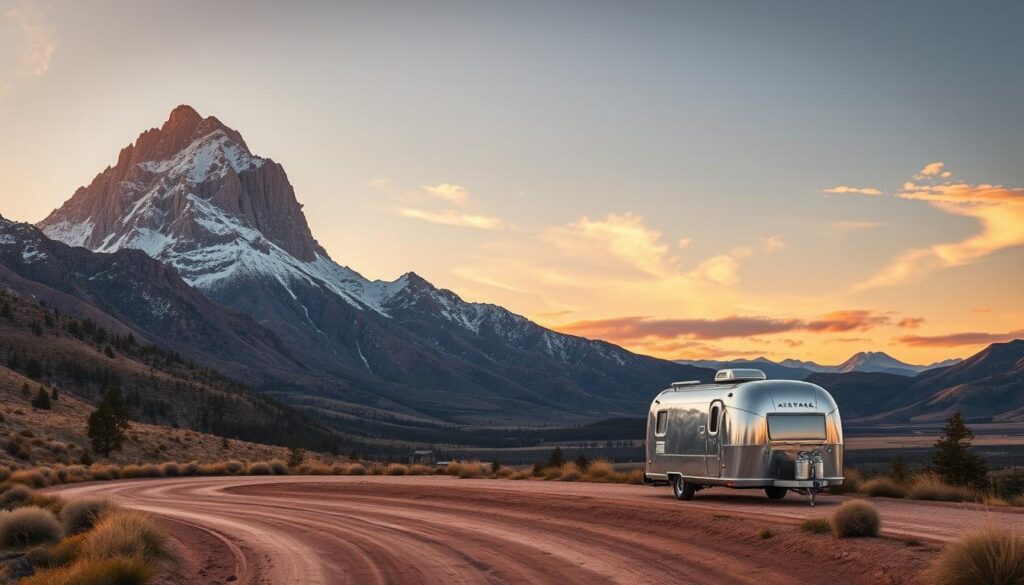
The American West calls to RV travelers with its stunning views and endless outdoor fun. Here, towering mountains meet vast deserts and ancient rocks tell tales of millions of years. Western RVing culture is all about exploring and finding the beauty of this amazing part of our country.
The West’s vast and varied landscapes offer unique experiences. From Utah’s red rock canyons to Colorado’s snow-capped peaks, every mile brings new wonders. Every mile brings new vistas that make us grateful for RVing.
Iconic National Parks
Western national parks are some of our country’s most beloved spots. The Grand Canyon’s vastness leaves us speechless. Yellowstone’s geothermal wonders, like Old Faithful, amaze us.
Zion National Park’s cliffs and slot canyons challenge us. The Great Sand Dunes National Park surprises with its massive sand formations. These parks offer RVers a front-row seat to nature’s greatest shows, from sunrises to wildlife spotting.
Adventure Opportunities
The West has adventures for all, from hiking to rock climbing. We can hike through slot canyons or bike on challenging trails. Photographers find everything from wildflowers to massive rocks.
Water sports fans enjoy lakes and rivers for kayaking, fishing, and rafting. Winter brings skiing and snowshoeing for colder months. There’s always something new to try.
Scenic Routes
Western scenic routes are some of the most stunning drives in North America. Monument Valley’s buttes and mesas are unforgettable. Colorado’s mountain roads offer views that change with elevation.
Horseshoe Bend and Antelope Canyon are photographer’s dreams. These routes show that the journey is as rewarding as the destination, encouraging us to slow down and enjoy the views.
| Destination Type | Best Season | Key Features | RV Accessibility |
|---|---|---|---|
| Desert Parks | Fall to Spring | Red rocks, slot canyons | Most campgrounds accessible |
| Mountain Regions | Summer to Early Fall | Alpine lakes, hiking trails | Size restrictions common |
| Coastal Areas | Year-round | Ocean views, mild climate | Limited large RV sites |
| Canyon Country | Spring and Fall | Dramatic formations, photography | Good RV infrastructure |
Weather Considerations for Both Regions
The weather changes a lot when we RV in the South or West. Climate differences affect our comfort, safety, and fun. Knowing these patterns helps us pack right and plan better.
Each area has its own weather challenges. The South has more stable weather but has its own issues. The West is stunning but needs more flexible planning.
Southern Climate Patterns
Southern states have predictable weather for RVing all year. Summers are warm and humid, often in the 80s and 90s. The humidity makes it feel hotter.
Winters are mild, rarely needing heavy heating. Temperatures stay above freezing, making it easy to manage water and enjoy the outdoors. This makes the South great for those who like stable weather.
Summer storms are common in the South. They can be strong but usually don’t last long. We should secure our awnings and outdoor gear when storms come. The storms can cool us down.
Spring and fall are the best times for RVing in the South and West. These seasons have nice temperatures and less humidity. Many RVers love these months for outdoor fun and campfires.
Western Climate Variability
Western weather is very changeable. Weather can change quickly, even in minutes. Mountain areas can have snow in July or extreme heat followed by cold at night. We need to be ready for all seasons, no matter when we travel.
Going up in elevation changes the weather a lot. We might start the day at sea level in the 70s and end it at 8,000 feet in snow or freezing rain. Every 1,000 feet up lowers the temperature by 3-5 degrees.
Desert areas have their own weather. Days can be over 100 degrees, so air conditioning is key. But nights can be very cold, dropping 40-50 degrees from day to night. This big temperature change affects our RV and comfort.
The West is dry, with less humidity but bigger temperature swings. We face less sticky heat but static, dry skin, and fire danger. Drinking water is very important here.
Seasons in the West can last longer than usual. Mountain passes might stay snowy until June, and deserts can be hot until October. This affects our travel plans and timing.
RV Campgrounds: South vs. West
RV camping in the South and West is different. Each area has its own special features. Knowing these differences helps us pick the best places for our trips.
The South focuses on comfort and convenience. The West, on the other hand, loves natural beauty and outdoor fun. These ideas change everything from what’s available to how much it costs.
Comfort-Focused Amenities in the South
Southern RV parks aim to feel like home. They have lots of facilities to make our stay comfy and fun. Most parks offer full hookups as standard.
Here’s what you’ll find in Southern campgrounds:
- Full hookups with water, electric, and sewer connections
- Swimming pools and hot tubs for relaxation
- Laundry facilities and camp stores
- Community centers with organized activities
- Playgrounds and recreational courts
These features help us meet other travelers. Southern RV parks often have group events, potluck dinners, and shows. They focus on building a community.
But, these comforts cost more. Southern campgrounds usually charge higher nightly rates for their many services. We need to plan our budget for these extras.
Nature-Centered Experiences in the West
Western RV parks focus on spectacular natural settings. They believe the beauty of nature is the best entertainment.
Western facilities often have:
- Primitive camping sites with basic hookups
- Abundant boondocking opportunities on public lands
- Scenic locations in national forests and BLM areas
- Lower costs or free camping options
- Self-sufficient camping experiences
They offer less but unmatched natural beauty. Imagine waking up to mountain views or desert sunrises. This appeals to those who love nature and quiet.
Boondocking is big in the West because of the vast public lands. We can camp for free in amazing spots. But, we need to be more self-sufficient. Our RV’s water, battery, and waste systems are key for long stays.
Western camping is cheaper. While Southern spots might cost $40-60 a night, many Western places are $10-20 or free. This makes long trips in the West more affordable.
Activities Unique to the South
Our RV trips through the South open up a world of food, festivals, and history. We find things here that you can’t find anywhere else in America. From amazing barbecue to lively street festivals, the South offers RV travel advice for South and West lovers with unforgettable experiences.
Southern Cuisine and Dining
Food is a big part of RVing in the South. Each state has its own take on barbecue, telling its own story. In North Carolina, the vinegar-based sauces are tangy and unforgettable.
Alabama has its own white sauce with horseradish, perfect with smoked chicken. Tennessee and Texas also have their own barbecue traditions to explore from our RVs.
Southern breakfast is an art that fuels our adventures. Biscuits and gravy, creamy grits, and country ham make hearty meals. These meals are more than food; they connect us to Southern hospitality.
New Orleans is special for its food. We can park our RVs nearby and enjoy jambalaya, etouffee, and beignets at Cafe du Monde. The city’s Creole heritage adds unique flavors to its dishes.
Festivals and Events
The South’s festivals welcome RVers into local communities all year. These celebrations let us connect with locals and share their traditions. Jazz music in Louisiana creates magical evenings where we can dance under the stars near our RVs.
Kentucky’s bluegrass festivals showcase music that has influenced America for decades. We tap our feet to mountain music while enjoying local crafts and foods. Tennessee’s barbecue competitions let us see pit masters show off their skills.
“Southern festivals aren’t just entertainment – they’re invitations to become part of something bigger than ourselves.”
These events happen all year, giving us chances to plan our RV trips around celebrations. Spring has crawfish festivals, summer has music celebrations, and fall has harvest festivals that showcase regional produce.
Exploring Historical Sites
Exploring history in the South adds depth to our RVing adventures. Civil War battlefields remind us of our nation’s complex past. We can walk these grounds and reflect on events that shaped America.
Antebellum homes and plantation tours teach us about Southern heritage. These sites show us architecture and tell stories of different perspectives and experiences. They help us understand regional culture better.
Many historical sites offer RV-friendly parking and facilities for comfortable visits. We can spend days exploring museums, walking trails, and educational programs that bring history to life.
These aren’t just tourist attractions. They’re chances for meaningful reflection and learning that make our RV trips educational. The South’s historical sites help us see how past events shape today’s culture and communities.
Activities Unique to the West
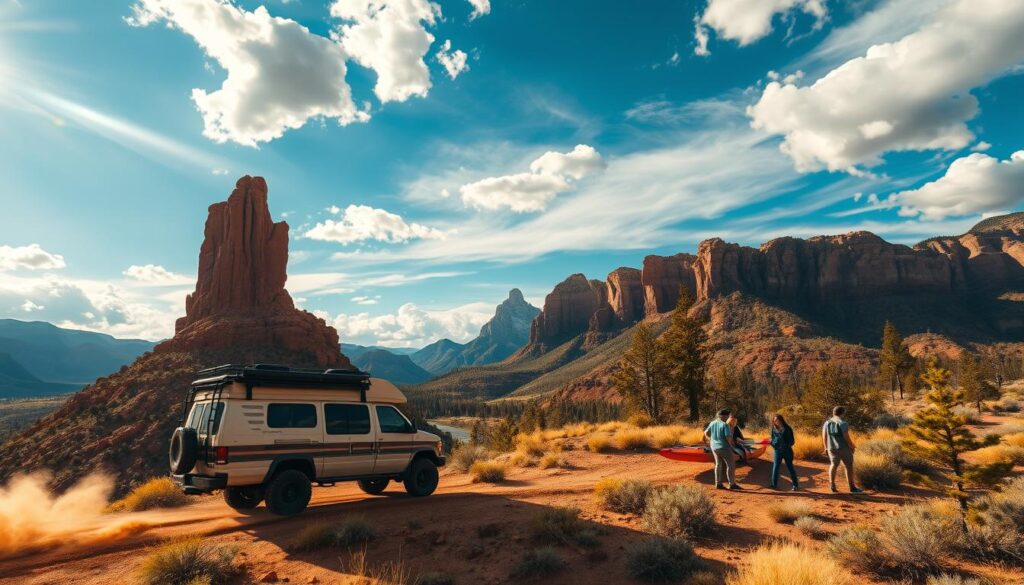
The Western states are full of rugged beauty. They turn our RV into a basecamp for exciting adventures. From desert canyons to snow-capped peaks, every mile is worth it.
We can try different activities in just a few hours. One day, we might hike through red rock formations. The next, we could fish in alpine lakes. This keeps our trips fresh and exciting.
Outdoor Sports and Recreation
Adventure sports are amazing in the West. Rock climbing enthusiasts love Joshua Tree and Yosemite. These places offer challenges for all skill levels.
Mountain biking trails are everywhere. We can ride through forests and deserts. Each trail is unique and offers its own challenge.
Water sports add fun to our trips. White-water rafting on the Colorado River is thrilling. Kayaking on mountain lakes is peaceful. Skiing and snowboarding are available in winter.
Wildlife viewing is a daily joy. We see animals like bison in Yellowstone. Desert bighorn sheep climb steep canyon walls. These moments create lasting memories.
Sightseeing and Photography Opportunities
Photography in the West is incredible. Monument Valley’s towering buttes make amazing sunsets. Each visit offers new lighting and cloud formations.
Antelope Canyon’s slot formations create natural light shows. Sunbeams filter through openings, making magical moments. Horseshoe Bend offers stunning views of the Colorado River.
National parks are full of photo subjects. From Yellowstone’s geysers to the Grand Canyon’s walls, each park is unique. Golden hour and blue hour lighting is perfect for photos.
Desert landscapes are simple yet beautiful. Saguaro cacti stand against colorful skies. Salt flats reflect the sky, creating stunning images.
Local Culture and Arts
Western culture is diverse, from Native American traditions to frontier history. Santa Fe’s art scene reflects the desert’s beauty. Local artists use natural materials and earth tones.
Native American cultural sites teach us about the land’s original inhabitants. Pueblo communities share traditional crafts and ways of life. These traditions have lasted for centuries.
Frontier towns keep the Old West spirit alive. We can walk the same streets as cowboys and miners. These towns welcome RV travelers while keeping their authentic character.
Music festivals and art fairs celebrate the West’s creativity. From bluegrass in mountain meadows to contemporary art in desert cities, these events showcase local talent. The West’s landscape inspires creativity.
Challenges of RVing in the South
The South is great for RVing, but it has its own set of challenges. Knowing these helps us prepare for our trips. The weather and landscape here are different from other places.
Traveling by RV in the South means watching the weather and planning your route. These factors are more important here than in other areas.
Humidity and Heat
The heat and humidity in the South are big challenges. Even when it’s not hot, the humidity can make it feel like it is.
Our RV’s AC works hard in this weather. It can wear out the electrical system and raise our energy bills. Condensation problems also become a big issue.
Without good air flow, mold and mildew can grow. This can harm our RV and make us sick.
To deal with the humidity, we plan our outdoor time for early morning or late evening. This makes it more comfortable.
We keep an eye on the humidity inside our RV. Using exhaust fans and keeping air flowing helps stop moisture buildup in the summer.
Terrain Differences
The South has its own terrain challenges. It’s not as extreme as the West, but it’s different.
River crossings are common here. Older bridges with weight limits can be a problem for big RVs. We need to check the bridges on our route.
Coastal areas have salt air exposure that can damage our RV. We must wash it often and use protective treatments.
The roads in the South are narrower and windier than in the West. Scenic routes can be tricky for tall RVs. We need to be careful with low branches and narrow spots.
Hurricane season makes RVing in the South even more complicated. We must watch the weather and have a plan to leave if needed. Emergency preparedness is key from June to November.
Despite the challenges, the South is good for new RVers. It’s easier on engines and brakes than the West.
Challenges of RVing in the West
RVing in the American West is tough. The beautiful landscapes also bring big challenges. Knowing these helps us prepare and enjoy our trips safely.
The West’s terrain is hard on RVs and people. It has steep mountains, wild weather, and lots of empty space. We need a special plan for RV travel here.
Altitude and Weather Changes
Mountain passes in the West go over 10,000 feet. This is hard for our RVs and our bodies. We plan extra time for climbs and keep our RVs in good shape.
Altitude sickness is common for RV travelers. It causes headaches, tiredness, and nausea. Breaking often and drinking water helps our bodies adjust.
The weather in western mountains changes fast. We’ve seen snow in July and temperature drops of 40 degrees in a day. We carry chains and winter gear all year.
Mountain weather is very unpredictable. It can go from sunny to snowy and dangerous in hours.
Distance Between Stops
The West has hundreds of miles between services. Unlike the South, where services are common, the West is very open. This makes RV travel here different.
Cell phone coverage is spotty or gone in remote areas. We can’t count on GPS or emergency services like in cities. We use paper maps and offline tools instead.
Being self-sufficient is key in the West. We keep water and propane full and have emergency supplies ready. Running out of fuel or water is a big worry when the next town is far away.
| Challenge Type | Western Impact | Preparation Needed | Safety Level |
|---|---|---|---|
| Altitude Changes | Engine power loss, altitude sickness | Gradual ascent, health monitoring | Moderate to High |
| Weather Extremes | Sudden snow, temperature swings | Winter gear, weather monitoring | High |
| Service Distances | 200+ miles between stops | Full tanks, emergency supplies | Moderate |
| Communication Gaps | No cell service for hours | Offline maps, satellite devices | Moderate |
These challenges don’t stop us from RVing in the West. They remind us to prepare well and respect the environment. The joys of western RVing are worth the effort when we plan right.
Tips for a Successful RV Trip
Getting ready well can make your trip fun or a hassle. Our tips for RV travel in South and West cover three main points. They help you travel smoothly in both areas.
Planning Your Route
Use Roadtrippers to plan your route. Southern trips have shorter drives between places. Western trips need more planning for fuel and weather.
Book your campgrounds early. This is true for national parks, which fill up fast.
Packing Essentials
Pack right for each area’s needs. Southern trips need gear against humidity and bugs. Western trips require warm clothes and lots of water.
We always bring dehumidifiers for South and emergency kits for West.
Safety Precautions
Western trips need satellite devices and extra food. Southern trips focus on watching the weather for storms and hurricanes.
We carry first aid, emergency cash, and tools for any trip.
Our RV travel advice for South and West helps you enjoy each area’s beauty. With good planning, you can handle any challenge on your journey.