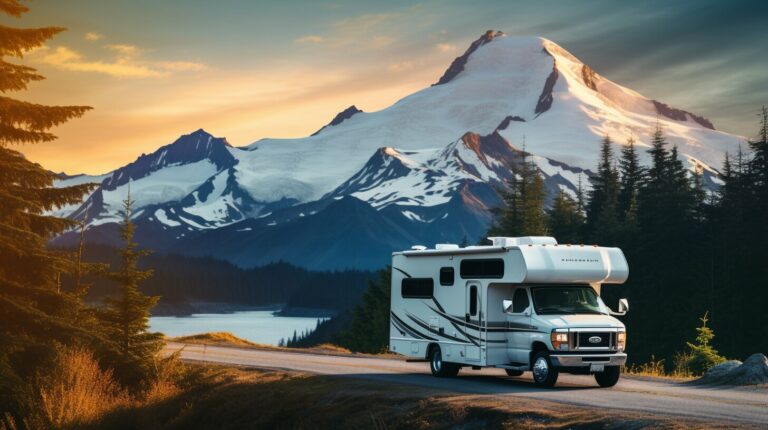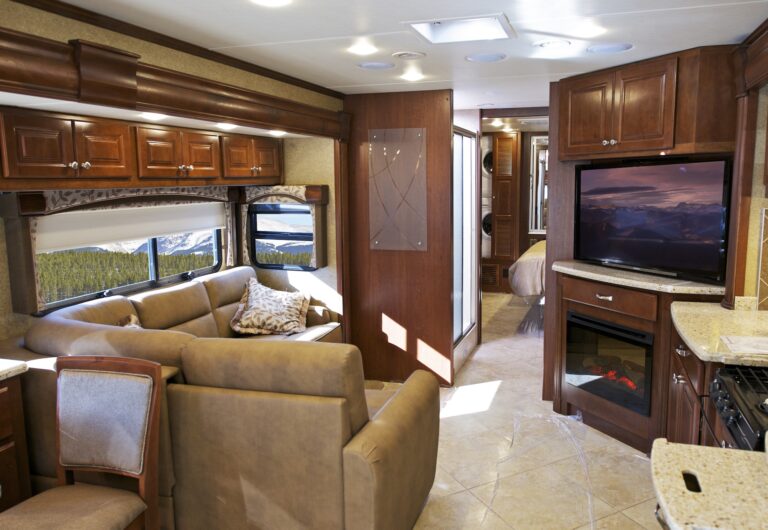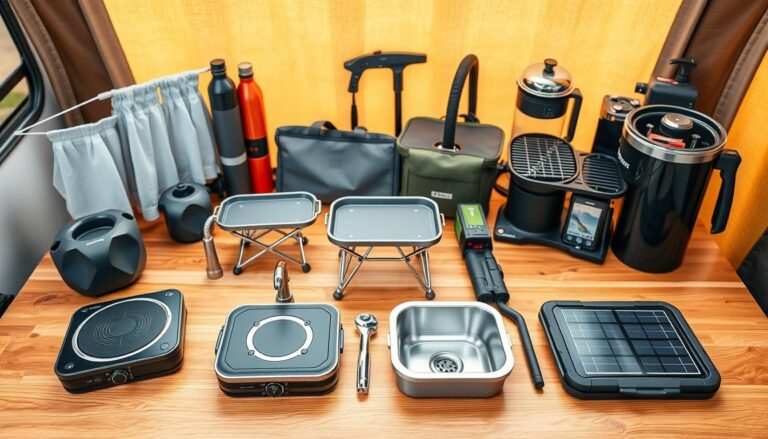
We’re here to help you find amazing RV camping in national parks across America. The fight for the best campsites is tough. So, booking early is key to get your dream spot.
Finding National Parks with RV Hookups needs smart planning and insider tips. Most parks now only take reservations because they’re so popular. Gone are the days of just showing up and hoping.
Our guide will teach you all about planning your trip. We’ll share tips for getting the best campsites, show you top RV spots, and give advice for a memorable trip.
Whether you’re a pro traveler or new to adventures, we can help. Full hookups with beautiful views are waiting for those who plan and book early.
Key Takeaways
- Most parks have switched from first-come, first-served to reservation-only systems
- Early booking is key for securing prime RV campsites with full hookups
- Frontcountry campgrounds offer electricity, water, and sewer connections
- Competition for spots has increased a lot because of high demand
- Strategic planning and insider knowledge are essential for successful bookings
- Full hookup sites with scenic views need advance reservations
Introduction to National Parks with RV Hookups
RV camping in national parks is a great way to see America’s beauty. These places offer unmatched access to iconic destinations. They also keep your RV comfortable and easy to use.
The experience is different from private RV resorts. Rustic charm meets modern convenience as you wake up to stunning views and wildlife right outside.
Overview of RV Camping in National Parks
RV campsites in national parks are designed to keep nature safe while giving you comfort. Most have frontcountry camping facilities with water, electricity, and sewer hookups.
These campsites are smaller and more cozy than commercial RV parks. The rustic feel lets you dive into nature’s beauty. Simple amenities like picnic tables and fire rings add to the natural feel.
Park campgrounds follow strict rules to protect nature. This means fewer lights, quieter generators, and preserved natural landscapes that show off America’s treasures.
Benefits of Choosing National Parks
Choosing national parks for RV adventures has many perks. Prime locations give you easy access to amazing hiking trails and wildlife viewing.
They are also cheaper than private campgrounds. National park camping fees are substantially lower and offer great natural settings and activities.
There are many educational chances through ranger-led programs and visitor centers. Your family can learn about geology, wildlife, and conservation efforts.
The best national parks for RV camping also offer great photo chances. Golden hour lighting on famous landmarks creates unforgettable memories.
Popular RV-Friendly Parks
Some national parks are top picks for RV lovers. These parks have great facilities and stunning natural features that draw millions each year.
| National Park | RV Sites Available | Maximum RV Length | Hookup Types | Peak Season |
|---|---|---|---|---|
| Yellowstone | 2,000+ | 40 feet | Electric, Water, Sewer | June-September |
| Grand Canyon | 300+ | 30 feet | Electric, Water | April-October |
| Zion | 200+ | 40 feet | Electric, Water | March-November |
| Acadia | 400+ | 35 feet | Electric, Water | May-October |
Yellowstone National Park has extensive RV facilities across many campgrounds. It welcomes big rigs and offers views of geysers, hot springs, and wildlife.
Grand Canyon National Park has breathtaking rim views from several campgrounds. The South Rim is open all year with RV amenities and shuttle services to viewpoints.
These popular spots need advance reservations because they’re so sought after. Booking six months ahead ensures you get the best RV campsites during peak times.
Why Booking Early is Crucial
Booking early is now a must for RV camping in national parks. RV travel has become very popular. This has made it hard to get campsites with full hookups.
Many national parks now only take reservations. This means you need to plan ahead. Each park has its own booking rules, from two months to a year in advance.
Peak Season Demand
Summer and holiday weekends are the busiest times. Memorial Day to Labor Day is the most competitive. Places like Yellowstone and Grand Canyon fill up fast.
Spring break and fall are also busy. Weekend spots during these times go quickly. Try to book mid-week for better chances.
Proven Booking Strategies
Start by preparing before you can book. Set up alerts for when booking opens. Know which campsites fit your RV.
On booking day, act fast. Use multiple devices and have family help. This increases your chances of getting a spot.
- Create accounts on reservation platforms before booking day
- Save payment information and RV specifications in advance
- Research specific campsite numbers that accommodate your RV size
- Have alternative parks and dates ready as backup options
Navigating Reservation Platforms
Knowing how to use different reservation systems helps a lot. Recreation.gov is common, but some parks have their own sites. Each has its own way of booking.
Some parks release all sites at once. Others do it throughout the day. Knowing these patterns helps you book at the right time.
Success in booking RV campsites comes from being prepared and persistent. By understanding demand and how to use reservation systems, you’ll have a better chance at getting the best spots.
Top National Parks with RV Hookups
We’ve found the best national parks for RV trips. They have amazing views and good RV hookups. These parks offer diverse camping experiences and the services RV travelers need.
Knowing about RV hookup availability in national parks helps pick the right place. Some parks have full hookups, while others have partial services. Size limits and booking rules also vary.
Yellowstone National Park
Yellowstone is a top spot for RV camping. It has twelve campgrounds with different hookups. Grant Village and Fishing Bridge RV Park have full hookups, and Bridge Bay has partial services.
RVs up to 40 feet can usually fit, but some spots take up to 60 feet. The park’s high elevation and winding roads need careful planning for big rigs.
At Yellowstone, it’s key to know how to book RV campsites early. Reservations open five months in advance and fill up fast in summer. The park’s hot springs and wildlife make early booking a must.
Grand Canyon National Park
The Grand Canyon has breathtaking rim-side camping at Mather Campground. It offers partial hookups and can fit RVs up to 30 feet.
Desert View Campground is another choice with no hookups but great views. RV travelers often choose Mather for its easy access to services and shuttles.
Reservations at the Grand Canyon fill up fast, even for spring and fall. The park is open all year, making it a favorite for RV trips. It’s known for spectacular sunrise and sunset views from campsites.
Zion National Park
Zion National Park has excellent RV accommodations at Watchman Campground. It offers partial hookups and can fit RVs up to 40 feet. The desert setting is unique.
South Campground is a no-hookup option but is close to the park shuttle. Both campgrounds offer easy access to Zion’s trails and scenic drives.
The park’s shuttle system makes RV camping easier. Reservations open six months in advance and sell out for peak seasons. The mild winter extends the camping season.
Acadia National Park
Acadia National Park offers a unique coastal RV experience at Blackwoods Campground. It has no hookups but has a dump station and water spigots. RVs up to 35 feet can fit.
Seawall Campground is another option with similar amenities and size limits. Both offer access to carriage roads, trails, and the Park Loop Road.
The park’s location in Maine means different camping seasons. Summer bookings need planning, but shoulder seasons are more open. Nearby Bar Harbor has RV parks with full hookups for those needing more services.
| National Park | Hookup Type | Max RV Length | Reservation Window | Peak Season |
|---|---|---|---|---|
| Yellowstone | Full & Partial | 40-60 feet | 5 months ahead | June-September |
| Grand Canyon | Partial (Electric/Water) | 30 feet | 5 months ahead | March-May, September-November |
| Zion | Partial (Electric/Water) | 40 feet | 6 months ahead | March-October |
| Acadia | No Hookups | 35 feet | 5 months ahead | June-September |
These four parks are the best combination of nature and RV-friendly spots. Each offers unique experiences and the services needed for a comfortable stay. Planning your visit requires knowing each park’s needs and booking rules.
Getting reservations depends on being flexible with dates and booking fast. Visiting during shoulder seasons can mean fewer crowds and good weather.
Essential Tips for RV Camping in National Parks
Getting ready is key for a great RV trip in national parks. These places have their own set of challenges. Knowing these differences helps you prepare better.
National parks have strict rules to protect nature. These rules affect where you can park and what you can use. Planning ahead helps you enjoy your trip without surprises.
“The key to successful RV camping in national parks is respecting the environment while enjoying the incredible experiences these protected lands offer.”
Preparing Your Vehicle for the Trip
Your RV needs special care before going to national parks. Size limits vary a lot between parks. Make sure your RV fits the park’s roads.
Check your RV’s size, including any extra parts. Many parks limit RVs to 40 feet or less. Some roads have even tighter limits.
Do a detailed check-up before you go. Look at:
- Tire condition and proper inflation for mountain driving
- Brake system performance for steep descents
- Engine cooling system for high-altitude conditions
- Electrical systems and battery charge levels
- Propane connections and tank levels
Remote parks have limited repair services. Carry basic tools and spare parts. This prevents problems later.
Must-Have RV Gear for Comfort
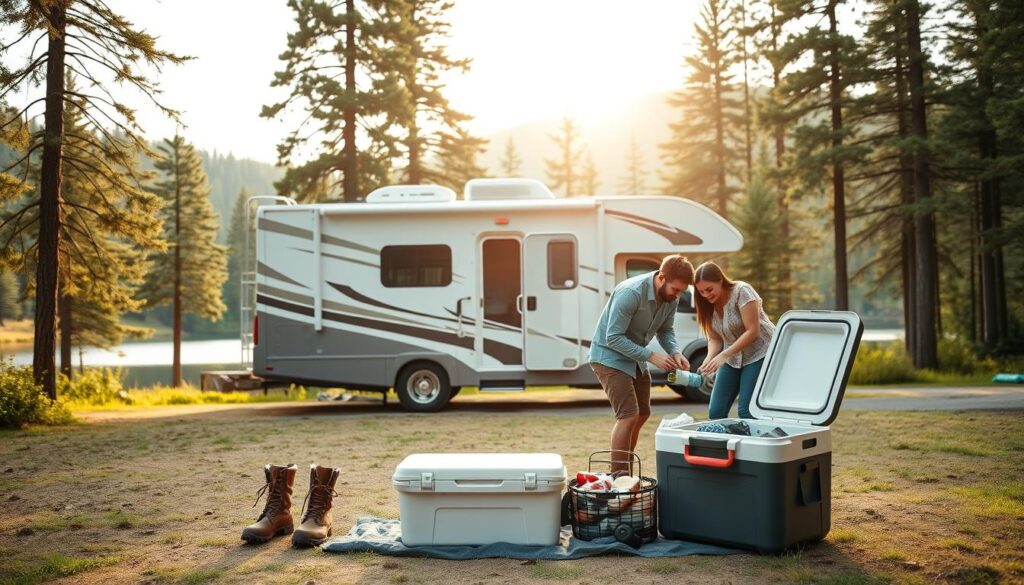
National park camping needs special gear. Bear-proof storage containers are a must in many parks. They keep wildlife and your food safe.
Here’s what you need for a comfortable trip:
- Extra water containers for dry camping situations
- Portable solar panels or backup generators
- Heavy-duty extension cords for distant hookups
- Leveling blocks for uneven campsites
- First aid kit with wilderness-specific supplies
Many parks have no cell service. Download offline maps and emergency info. Satellite communicators offer peace of mind.
Bring extra batteries for flashlights and gadgets. Park stores have limited supplies and high prices. Your comfort depends on what you bring.
Understanding Park Regulations
National parks have strict rules to protect nature and wildlife. Generator quiet hours are usually 8 PM to 8 AM, but times vary. Some parks ban generators.
Pet rules are stricter than in private campgrounds. Dogs must be on leashes and can’t go on most trails. Find pet-friendly activities before you go to avoid disappointment.
Fire rules change with weather and seasons. Many parks need permits for campfires or ban them in dry times. Always check fire restrictions before you leave.
Waste disposal follows Leave No Trace rules. Gray water dumping is only allowed in designated areas. Some parks need special permits for long stays or group camping.
Seasonal operations affect many mountain parks. Winter closures can last months, and spring openings depend on snow. Check operating dates when making reservations.
Knowing these rules helps preserve these amazing places. Your cooperation ensures RV access to America’s most beautiful landscapes for the future.
Finding the Best Campsites with RV Hookups
Finding the perfect RV campsite is more than just hookups. We must look at many factors for a great camping trip. The best sites often have details not listed in basic descriptions.
Choosing a good campsite means knowing what’s important for comfort. Look at site access, how close to facilities it is, and the campground layout. Doing this research helps avoid surprises when we arrive.
Researching Campsite Amenities
When researching, look beyond just hookups. Comfort stations with clean showers and restrooms are key. They should be close but not too close to disturb us.
Dump stations are also important. Some are easy to find, while others are harder to get to. Check where they are before booking.
The layout of the site matters a lot. Pull-through sites are easier for big RVs, but back-in sites offer privacy. Choose based on your RV’s size and your comfort.
Electrical options vary a lot. 30-amp service is good for small RVs, while 50-amp service is for bigger ones. Make sure your RV fits the electrical needs of the site.
| Amenity Type | Essential Features | Questions to Ask | Impact on Experience |
|---|---|---|---|
| Comfort Stations | Clean showers, heated facilities, adequate lighting | Distance from site? Operating hours? Maintenance quality? | Daily comfort and convenience |
| Dump Stations | Easy access, good drainage, rinse hose available | Location within campground? Wait times during peak hours? | Departure convenience |
| Site Layout | Level ground, adequate space, privacy screening | Pull-through or back-in? Site dimensions? Neighbor proximity? | Setup ease and privacy |
| Electrical Service | Reliable power, proper amperage, GFCI protection | 30-amp or 50-amp? Outlet condition? Surge protection needed? | Appliance functionality |
Water pressure and quality are also important. Low pressure makes showering and washing dishes hard. Check reviews for water issues before booking.
Reading Reviews and Recommendations
RV forums and apps give honest reviews. RV-specific forums and camping apps share real experiences. These are more reliable than official descriptions.
Social media groups are great for recent experiences and photos. Facebook groups and Instagram posts show real conditions. They help us see the actual setup and privacy.
Look for patterns in reviews, not just single complaints. Many mentions of the same issue mean it’s a big problem. Recent reviews are more important than old ones.
Using multiple review sources gives a full picture of a campsite. Check at least three before deciding. This helps avoid common mistakes like small sites or missing amenities.
Photo reviews are the most accurate. Images showing actual RV setups help us imagine our trip. Look for photos from the time of year we plan to visit.
Experienced campers share important details. They tell us about site numbers, best arrival times, and local tips. Their advice can lead to a great camping experience. Note their suggestions and have backup plans.
Making Reservations: Step-by-Step Guide
We’ll show you how to book your perfect RV campsite in national parks. The process needs strategy, timing, and patience. Most parks use online systems for reservations two months to a year in advance. Some parks have spots available on a first-come, first-served basis.
Success comes from knowing each park’s booking system and being ready. It helps to have backup plans and know when parks are busiest. Knowing what to expect makes the process easier.
Choosing Your Arrival Date
Your arrival date is key for availability and a good camping experience. Peak seasons from June to August are the busiest, like Yellowstone and Grand Canyon. May or September might be better for fewer crowds and more space.
Weather is important too. Spring might have snow at high places, while fall offers beautiful leaves but less daylight. Having different dates ready boosts your chances of getting a spot.
Think about what you want to do. Summer is great for hiking but very crowded. Winter is quiet but some areas are closed.
Navigating Online Booking Platforms
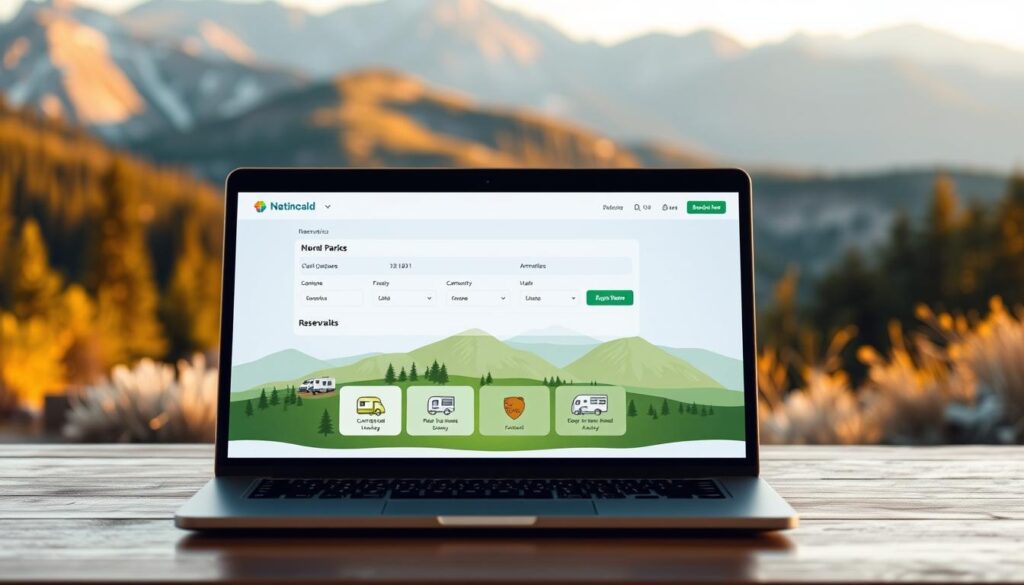
Recreation.gov is the main booking site for most national parks. Make your account early and check your payment info. New reservations are released at 8:00 AM Mountain Time, and popular spots fill fast.
Use multiple devices during busy times. Bookmark your favorite campsites and practice quick access. Understanding the booking calendar system helps spot available dates easily.
Some parks have their own booking systems, not just Recreation.gov. Check your park’s specific needs before booking. Each park’s system might work differently.
| Booking Platform | Advance Booking Window | Release Time | Payment Methods |
|---|---|---|---|
| Recreation.gov | 5 months ahead | 8:00 AM MT | Credit/Debit Cards |
| Individual Park Systems | 2-12 months ahead | Varies by park | Multiple options |
| First-Come, First-Served | Same day only | Check-in varies | Cash or card |
| Concessionaire Sites | Up to 13 months | Varies by operator | Credit cards preferred |
Have backup campsite plans ready. Popular spots fill up fast. Being flexible with your campsite preferences increases your chances of getting a spot.
Keep your reservation details handy. Print and save digital copies. This makes check-in easier and helps with any booking issues.
Book refundable reservations when you can. Many parks offer partial refunds for cancellations. Knowing cancellation policies helps plan your booking strategy.
Understanding Fees for RV Hookups
Knowing the cost of RV camping in national parks helps you budget better. We aim to give you a clear picture of your expenses. Many first-timers are surprised by the fees for national park RV camping.
National park fees are different from private campgrounds. You’ll face various charges. Most national parks require separate entrance fees from camping fees, so you’ll pay twice to start.
Breakdown of Common Costs
We’ll explain every fee you’ll find on your national park RV trip. We’ve organized these costs to help you plan and avoid surprises.
Campsite fees vary based on hookup availability. Sites with water, electric, and sewer cost $30-60 per night. This depends on the park and season.
Dry camping sites without hookups are cheaper, costing $15-30 per night. But, you’ll need to add fuel for generators if you choose these sites.
Entrance fees are separate from your camping reservation. Entry fees cover one private vehicle and must be paid each day you enter the park. These daily passes usually cost $15-35 per vehicle.
Here’s a detailed list of fees you should expect:
| Fee Type | Cost Range | Payment Frequency | What’s Included |
|---|---|---|---|
| Full Hookup Campsite | $30-60/night | Per night | Water, electric, sewer |
| Partial Hookup Site | $25-45/night | Per night | Water and electric only |
| Dry Camping Site | $15-30/night | Per night | Site only, no utilities |
| Daily Entrance Fee | $15-35 | Per vehicle/day | Park access for one vehicle |
| Reservation Fee | $10-15 | Per reservation | Booking service charge |
Other costs can add up quickly if you’re not ready. Reservation fees are $10-15 per booking, no matter how long you stay. Extra vehicle charges apply if you bring more than one car.
Some parks charge for amenities like showers or dump station use. These fees are $3-8 per use. Always check the specific park’s fee structure before your trip because policies vary.
Tips for Budgeting Your Trip
Smart budgeting means figuring out when annual passes are worth it. Parks Canada Discovery Pass grants entrance for one year to 80-plus locations, making it great for multiple visits or long stays.
The America the Beautiful Annual Pass costs $80 and covers all national parks for a year. If you visit parks with fees over $80, the annual pass saves money right away.
Camping in the off-season can save a lot of money. Many parks lower campsite fees during shoulder seasons. Spring and fall offer good weather and lower costs.
“The key to affordable national park camping is understanding that the unique locations and experiences often justify the investment in securing these coveted spots.”
Think about the value when comparing costs. National park camping offers amazing natural settings that private RV parks can’t match. You’re paying for exclusive access to some of America’s most treasured landscapes.
When budgeting for dry camping sites, remember indirect costs. Generator fuel, extra battery power, and water conservation supplies can cost $10-20 per day. Sometimes, paying more for hookups can save money overall.
We suggest adding a 20% buffer to your camping costs. This extra money covers unexpected fees, extra nights, or emergencies during your trip.
Track your spending on multiple trips to find savings patterns. Many RV campers find that investing in better equipment upfront reduces ongoing costs at campsites without full hookups.
Camping Etiquette in National Parks
National parks need us to follow a higher camping etiquette. This etiquette is not just about being polite. It’s about taking care of the environment. When we RV in these parks, we become part of their ecosystem.
Knowing the right etiquette helps keep these places beautiful for everyone. It also makes sure RVs are welcome in national parks. Every choice we make shows how we treat the RV community.
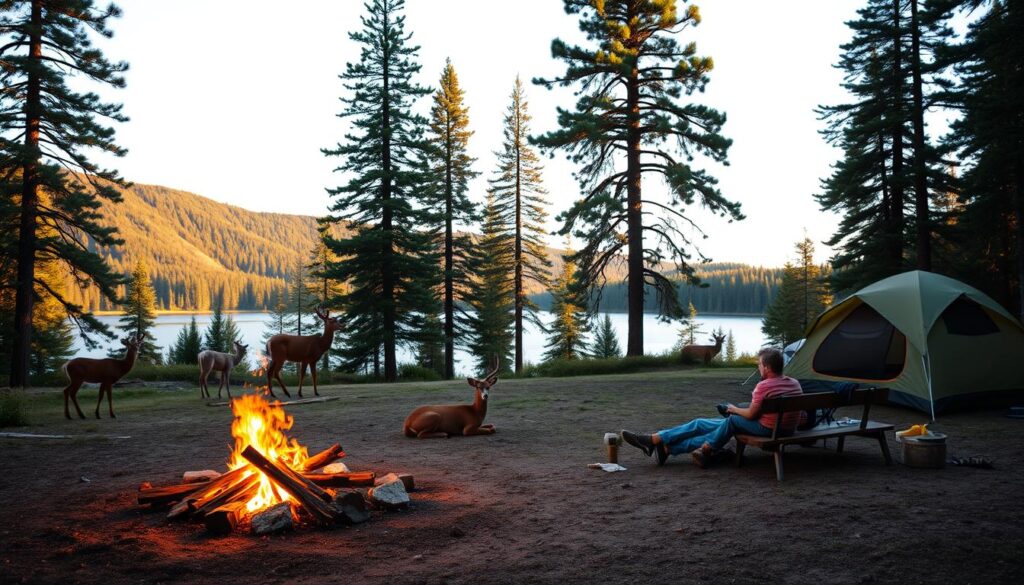
Respecting Wildlife and Environment
Seeing wildlife is a highlight of visiting national parks. But we must respect their space. Keeping a safe distance from animals is key for both their safety and ours.
In many parks, you must stay 25 yards away from big animals like elk and bison. Bears and wolves need even more space, at least 100 yards. These rules help keep everyone safe.
Storing food properly is very important in areas with wildlife. Parks often have bear-proof lockers. Never leave food or scented items in your RV at night in bear country. Even things like toothpaste can attract animals.
Being quiet is also important. Generators can only be used from 8 AM to 6 PM. Parks may have even quieter hours. Nature’s sounds should be louder than ours.
Pets are not allowed on most trails and beaches in national parks. When pets are allowed, they must be on a leash. This keeps wildlife safe.
Keeping Campsites Clean
Clean campsites are more than just picking up trash. Proper waste disposal is key to protecting water and wildlife. Every piece of waste can harm the park’s ecosystem.
Managing gray water is important. You can’t dump water from sinks and showers on the ground. Parks have special stations for disposing of gray and black water.
Food scraps and cooking waste attract animals and can make them sick. Even biodegradable items like fruit peels should be taken out. Take everything you bring in with you.
Campfires must be managed carefully. Use only designated fire rings and burn only wood from the park or local areas. Never burn trash, food waste, or treated lumber. Make sure fires are out before leaving.
Stay on designated roads and trails to protect plants and prevent erosion. RVs should only use paved roads unless allowed. Walking shortcuts damage plants and create paths.
Quiet hours are very important in national parks. These hours, usually from 10 PM to 6 AM, help keep the natural sounds. Avoid loud noises and music during these times.
Conclusion: Plan Your Next National Park Adventure
Planning your RV trip to national parks needs some work, but it’s worth it. We’ve shown you how to find the best campsite with RV hookups in America’s most stunning places.
Why Early Planning Matters
Booking early lets you get the best campsites with full hookups. Parks like Yellowstone and Grand Canyon get booked up fast. Start booking as soon as you can.
Look into what your park offers and its rules before you go. This helps you pack right and makes your trip smooth.
Discover America’s Natural Treasures
National parks let you see protected wilderness from your RV. Imagine waking up to the Grand Canyon’s sunrise or hearing Yellowstone’s wildlife.
These moments make memories that show why we must protect and explore America’s national parks. Your RV is your home base for seeing amazing natural sights.
Begin planning your next RV trip to national parks now. Put booking dates on your calendar and look into your favorite spots. The hard work of planning and booking early will pay off with amazing experiences in America’s most beautiful places.