Planning your next outdoor adventure doesn’t have to cost a lot. We’ve found that smart camping reservations can make expensive trips more affordable.
Travelers have shown it’s possible to spend just $86 total for nine nights of good lodging all over the country. This is true when you know how to find cheap campsites and free spots.
We’ll share tips and tricks from seasoned adventurers. They’ve learned how to budget camp without breaking the bank.
We’ll teach you about different campgrounds and when to book. Our advice will help you find great campsites for any trip. Whether it’s a weekend or a long journey, we’ve got you covered.
Key Takeaways
- Experienced campers spend as little as $86 for nine nights of quality lodging nationwide
- Strategic timing and research are essential for securing affordable camping spots
- Free camping options and budget-friendly campgrounds offer excellent alternatives to expensive resorts
- Understanding different campsite types helps you make informed booking decisions
- Technology and insider knowledge can significantly reduce your accommodation costs
- Quality and safety don’t have to be sacrificed when camping on a budget
Understand Your Camping Preferences
Finding affordable camping options starts with knowing what you need. Your camping style affects your booking and budget. Let’s figure out what outdoor adventure you want.
There are many camping styles, each with its own booking and budget needs. Wild camping and dispersed camping on BLM land are free. But, campgrounds charge $10-30 per night for different amenities.
Knowing your preferences changes how you search and save money. It helps you skip paying for things you don’t need. Let’s look at the main camping types and their costs.
Types of Campsites: RV, Tent, or Glamping?
Every camping style has its own booking and cost rules. RV camping costs more but offers more comfort. It includes hookups for electricity, water, and sewer.
Tent camping is flexible and often cheaper. You can find tent sites for under $15 per night at state parks. It’s great for those who don’t need many amenities.
Glamping is popular but pricey. It can cost $100-300 per night, like a hotel. It’s not for those watching their budget.
Dispersed camping on public lands is the cheapest. BLM and National Forest lands let you camp for free for up to 14 days. You must be self-sufficient, but it saves a lot of money.
| Camping Type | Average Cost Per Night | Amenities Included | Best For |
|---|---|---|---|
| Dispersed/BLM Camping | Free | None (primitive) | Budget travelers, experienced campers |
| Tent Camping | $10-25 | Fire ring, picnic table, restrooms | Traditional camping experience |
| RV Camping | $25-50 | Electric, water, sewer hookups | Comfort seekers, families |
| Glamping | $100-300 | Furnished tents, beds, electricity | Luxury outdoor experience |
Campground Amenities: What’s Important to You?
Amenities like pit toilets and fire rings cost little. But, things like showers and camp stores can make prices go up.
Think about what you really need versus what’s nice to have. Do you need hot showers, or can wet wipes do? Do you want to buy firewood on-site, or bring your own?
Using campground booking tips wisely means focusing on what matters to you. Families might want clean restrooms and playgrounds. Solo travelers might just need basic facilities and a safe spot to park.
By knowing what you need, you can find campsites that offer great value. This way, you avoid paying for things you won’t use. It also opens up more options within your budget.
Research Campsite Locations
Looking for the right campsite can save you a lot of money. It also helps you find hidden spots that are amazing. Knowing about public lands and where locals go is key.
Focus on two main things: comparing parks and finding hidden gems. Both ways can lead to budget-friendly camping sites with great value.
Comparing Park Systems: Costs and Benefits
National parks are beautiful but expensive. They get very crowded and you need to book months ahead. Prices are $25-40 per night, and spots fill up fast.
State parks are better for those on a budget. They have good prices, nice amenities, and fewer people. Fees are $15-25 per night, and facilities are top-notch.
National Forests and BLM areas offer free camping. These vast lands, mainly in the west, let you camp for free. You get lots of space and quiet, but there are no amenities.
Here’s a quick comparison of your options:
| Park Type | Average Cost | Amenities | Crowds | Booking Difficulty |
|---|---|---|---|---|
| National Parks | $25-40/night | Full facilities | Very crowded | Extremely difficult |
| State Parks | $15-25/night | Good facilities | Moderate | Moderate |
| National Forests | Free-$10/night | Basic/None | Light | Easy |
| BLM Lands | Free | None | Very light | Very easy |
Discovering Hidden Camping Treasures
Finding the perfect campsite means looking beyond the usual spots. We’ve found our best spots at places not many know about.
Use Google Maps to find green areas that are state and national forests. These spots often have great camping. Zoom in and look for small roads or trails that might lead to campsites.
Local knowledge is key to finding hidden gems. Visit ranger stations, outdoor shops, and visitor centers. Staff can tell you about spectacular spots that aren’t well-known.
Online forums and camping groups share tips on secret spots. Reddit’s camping subreddits, Facebook groups, and Campendium have stories from other campers. They share amazing places they’ve found.
Try camping a bit off the main path. Campgrounds 30-60 minutes from big attractions are cheaper but just as beautiful. They offer peace and quiet, and you can visit big spots during the day.
Don’t forget to check county and municipal parks. They often have great campgrounds at low prices. These parks have nice facilities and a local feel that bigger parks lack.
Timing is Key for Booking
Booking your camping trip at the right time can save you a lot of money. Timing isn’t just about when you camp—it’s about when you book. Booking during off-peak times can save you hundreds of dollars.
Knowing when to book can help you get better deals. Campgrounds often release sites in waves. By tracking these patterns, you can get a better spot at a lower price.
Off-Peak Seasons: Saving Money by Timing Your Trip
Off-peak camping can save you a lot of money. Shoulder seasons, like late spring and early fall, offer 30-50% discounts. These times are also less crowded and have better sites.
Try camping on weekdays instead of weekends. Many places offer lower rates for Sunday through Thursday. Tuesday and Wednesday bookings often yield the lowest prices in most areas.
Weather affects off-peak prices. Summer is warm, but cooler months can be great too. Spring and fall offer comfortable weather and beautiful views.
Last-Minute Deals vs. Early Reservations
Booking early or last-minute depends on your plans. Early booking gets you the best spots but might miss out on deals. Use this for must-have places in peak seasons.
Last-minute booking is great for flexible travelers. Campgrounds often have better sites available 24-48 hours before. We’ve found amazing spots this way.
Some places have waiting lists for popular dates. Adding your name to these lists increases your chances of securing coveted spots when they open up. Call them to learn about their policies.
Mobile apps and websites alert you to last-minute spots. Set up alerts for your favorite places. Sunday evenings and Monday mornings are best for finding deals.
Use Technology to Your Advantage
We live in a time where finding the perfect campsite is easy. Technology gives us tools that make campground booking tips better than ever. Smart campers use these tools to find great deals and spots others miss.
Knowing the best apps and websites is key to saving money. We’ve tried many to find the most useful ones. These tools save time and money when planning your next trip.
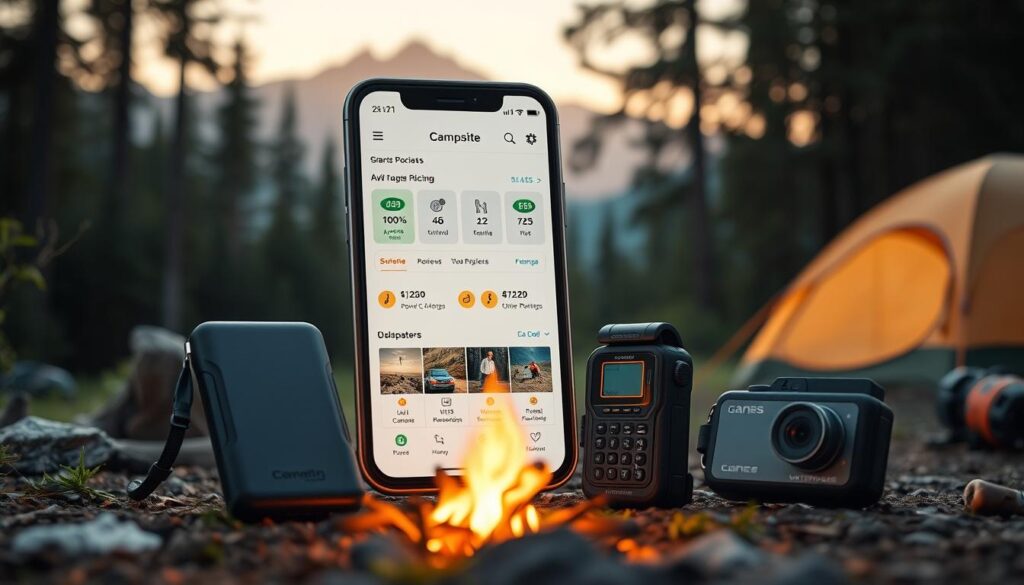
Top Apps for Discovering Great Campsites
The Dyrt is our top pick for finding campsites. It lets you filter by price, amenities, and type. Its reviews and photos give real insights, unlike official sites.
The Dyrt focuses on free camping. It’s great for those on a budget. It also has offline maps for areas with no cell service.
Google Maps is great for research. Look for green areas on the map. These often mean state parks, national forests, and federal lands where you can camp.
Waze is perfect for navigating to remote campsites. It helps avoid traffic and road closures that might ruin your plans.
Websites That Compare Prices Effectively
Price comparison sites help avoid overpaying. But, watch out for hidden fees. Some sites don’t show all costs upfront, leading to surprises.
Recreation.gov is the best for federal campgrounds. It has clear prices and no extra fees. You’ll find the latest info here.
ReserveAmerica is great for state parks. It has a clean design and lists amenities and photos. This helps you choose wisely.
| Platform | Best For | Key Features | Cost |
|---|---|---|---|
| The Dyrt | Free camping and reviews | User photos, offline maps, detailed filters | Free with premium options |
| Recreation.gov | Federal campgrounds | Official bookings, no markup fees | Booking fees only |
| ReserveAmerica | State parks | Clean interface, detailed amenities | Standard booking fees |
| Google Maps | Research and discovery | Satellite view, public land identification | Completely free |
Use different apps together for the best results. Start with The Dyrt for finding sites. Then, check availability on official sites. Use Google Maps for location research. This way, you get the best deals and avoid mistakes.
Read Reviews and Ratings
Learning to read campground reviews is key to finding great sites without spending too much. Reviews share important info about the site, fees, and value. But, not all reviews are real, so it’s important to know which ones to trust.
Reviews help us avoid bad camping experiences and surprise costs. It’s not just about the stars. Look for recent feedback that talks about the camping experience.
What to Look for in Reviews
When looking for affordable camping options, focus on reviews that talk about cleanliness and noise. Also, check if the site lives up to its promises. Recent reviews are more reliable because things can change.
Watch out for reviews that mention hidden fees. These can make a cheap campsite expensive. Reviews about unexpected charges for things like showers or Wi-Fi are helpful.
Reviews that describe the camper’s setup are also useful. RVs and tents have different experiences. Reviews that talk about specific sites and amenities are the most helpful.
Be wary of reviews that mention aggressive upselling or poor maintenance. These are signs of a site that cares more about money than customers. Reviews about overcrowding or bad facilities during busy times help us avoid overpriced campsites.
How to Spot Fake Reviews
Fake reviews are common, but they have patterns we can spot. Watch for generic praise without details. Real reviews share specific experiences.
Reviews posted on the same day or with the same style are likely fake. Also, be suspicious of reviews that don’t mention specific features or local attractions.
Good reviews mix positive and negative points. Reviews that only have five stars and no criticism are probably fake. Real campers talk about both the good and the bad.
Look for reviewers with a history of camping in different places. Fake reviewers often only review places in one area. Real campers have reviews from all over.
Trust reviews that talk about the weather, local activities, or interactions with staff. These personal details are hard to fake and show real experiences.
Be Flexible with Your Plans
Being flexible with camping plans opens up affordable options. Flexibility can help you find great deals instead of high prices. Experienced campers know that being flexible leads to finding cheap campsites and fun surprises.
The camping world works on supply and demand. Sticking to set dates and places means you’re up against many others. But, being flexible lets you find deals, last-minute spots, and lower prices.
“The best camping experiences often come from the unexpected discoveries we make when our original plans fall through.”
Open Dates: Increasing Your Options
Flexible travel dates change how you book. Instead of looking for one weekend, you can explore many options and pick the cheapest one.
Try to be flexible by a few days. Even a small change can save a lot. Camping on weekdays is 20-40% cheaper than weekends.
Here are some flexible date tips:
- Look for spots over a two-week period instead of fixed dates
- Be ready to change trip length based on prices
- Keep an eye on cancellation lists for busy times
- Book during shoulder season for good weather and fewer people
Alternate Locations: Expanding Your Search
Looking for the perfect campsite is easier when you’re open to different places. Smart campers look at many places instead of just one.
Make a list of three to five good campgrounds in your area. This gives you power to negotiate and have backup plans.
Research shows flexible location campers save 30% on costs. Sometimes, the “backup” spot is better than the first choice.
To be more flexible, try:
- Looking at campgrounds within 50 miles of your target
- Trying different types of camping (state parks vs. private)
- Exploring dispersed camping near your favorite area
- Finding lesser-known parks with similar activities and views
Remember, flexibility doesn’t mean giving up on what you want. It means finding different ways to have great outdoor adventures without spending too much.
Join Camping Clubs and Communities
Being part of camping communities opens doors to special deals and reservation hacks. The best campers aren’t just good planners. They’re in networks that share secrets and deals others miss.
The camping community is very generous with saving tips. They share about last-minute deals, seasonal price changes, and hidden spots. These tips can save you a lot of money on your next trip.
Membership Benefits: Discounts and Early Access
Camping clubs get group rates that cut costs by 20-30% off regular prices. Members get camping discounts not found elsewhere. Clubs also offer early booking, so you get the best sites.
Here are the top membership benefits we recommend:
- Exclusive campground access – Some private campgrounds only accept club members
- Member-only pricing – Discounted rates negotiated for club members
- Priority booking – Reserve popular sites before they open to the public
- Reciprocal privileges – Use your membership at partner campgrounds nationwide
- Equipment discounts – Save on gear through member partnerships
Clubs like Good Sam Club and Passport America offer savings that often cover the membership fee with one trip. We always check if joining a club will save us money before we do.
Online Platforms: Sharing and Gathering Tips
Online camping communities are full of real-time information. Members share weather updates, road conditions, and more. These platforms help you avoid mistakes that new campers often make.
The best online platforms for camping discounts and tips include:
- Reddit camping communities – Active discussions about deals and locations
- Facebook camping groups – Local groups share regional insights
- Campendium – User-generated reviews and pricing updates
- iOverlander – Global community sharing spots and costs
- RV forums – Specialized advice for RV campers
We suggest joining both national and local groups. Local groups often know about reservation hacks specific to your area. They share info on park policies, seasonal closures, and fee changes.
Experienced campers often post their itineraries and invite others to join group bookings. This helps everyone save money and makes new friends. We’ve found some of our favorite spots through these connections.
The key is to be an active participant, not just a lurker. Share your own tips and experiences. The more you contribute, the more you’ll get back.
Plan for Additional Costs
The price you see for a campsite is not always the whole story. Many campers face surprise charges that can double their costs. Avoiding overpriced campsites means knowing the full cost before booking.
Smart planning helps spot hidden costs early. This way, you can compare campsites better and find affordable camping options. We’ll show you how to find extra fees and save on gear.
Understanding Extra Fees: What to Look Out For
Campgrounds often add fees not included in the base price. These can turn a cheap trip into an expensive one. Always ask about all possible fees before booking.
Reservation fees are common hidden costs. Campgrounds might charge $5 to $15 just for booking. Some parks also have fees for online payments or credit card use.
Vehicle fees surprise many families. Most sites allow one vehicle per site but charge $5 to $20 for extra cars. Pet fees are usually $3 to $10 per night for each pet.
Amenity charges can add up fast. Some camps charge for hot showers, firewood, or WiFi. Day-use fees might apply if friends visit without staying overnight.
| Fee Type | Typical Cost Range | When It Applies | How to Avoid |
|---|---|---|---|
| Reservation Fee | $5 – $15 | Most online bookings | Book directly by phone |
| Extra Vehicle | $5 – $20 per night | More than one car | Carpool or use one vehicle |
| Pet Fee | $3 – $10 per night | Bringing pets | Choose pet-free campgrounds |
| Firewood | $5 – $12 per bundle | Campfire restrictions | Bring your own legally |
| Shower Fee | $1 – $5 per use | Some state parks | Bring quarters or tokens |
Budget-Friendly Camping Gear: Saving on Equipment
Quality camping gear is a smart investment. Affordable camping options are easier when you own good gear. Build your kit gradually instead of buying everything at once.
Start with basics like a good tent, sleeping bags, and cooking supplies. Rental costs can be more than buying after a few trips. A $100 tent pays for itself quickly compared to $30 per night rentals.
Shop end-of-season sales for big savings on gear. Many retailers offer 30-50% off camping equipment in fall and winter. Online marketplaces also have great deals on used gear.
Consider borrowing or sharing gear with friends and family. Many items are used rarely, making them perfect for sharing. Group purchases can also cut costs on expensive items like stoves or coolers.
Meal planning saves a lot of money. Cooking at your site saves $20-40 per person per day compared to eating out. Simple meals like pasta, sandwiches, and grilled foods need little equipment but save a lot.
Pack non-perishable foods from home instead of buying at camp stores. Bringing your own coffee, snacks, and drinks can save $50-100 per trip for a family of four.
Take Advantage of Promotions and Discounts
Successful campers never pay full price. They know how to find discounts. Smart planning can save you 20% to 50% on camping costs.
Many campgrounds offer camping discounts during slow periods. Knowing when to look for these deals is key.
Seasonal Promotions: Timing Your Bookings Right
Seasonal promotions are a big chance to find budget-friendly camping sites. Campgrounds offer the best deals during slow times. Early spring and late fall have lower rates.
Mid-week summer stays get special prices. Campgrounds offer discounts for Sunday to Thursday. Early bird specials reward early bookings, while last-minute deals fill empty sites.
Here’s when to look for the best seasonal deals:
| Season | Discount Type | Average Savings | Best Booking Window |
|---|---|---|---|
| Early Spring | Off-season rates | 25-40% | 2-3 months ahead |
| Late Fall | End-of-season deals | 30-50% | 1-2 months ahead |
| Mid-week Summer | Weekday specials | 15-25% | 2-4 weeks ahead |
| Winter | Extended stay discounts | 35-45% | 1-3 months ahead |
Senior and Military Discounts: How to Access Them
Special discounts are available for certain groups. Senior discounts start at age 55 or 62. Military discounts are for active duty, veterans, and families.
Always ask about discounts when booking. Campgrounds often don’t advertise all discounts. Some offer savings for AAA members or credit card holders.
“The best camping deals aren’t always advertised. Sometimes you have to ask directly to discover what discounts are available.”
To save more, stack discounts when you can. Some campgrounds let you combine discounts. Camping discounts can be better with membership programs.
Bring ID to prove your eligibility for discounts. Military folks should carry their ID cards. Seniors may need a driver’s license. Planning ahead and asking the right questions can help you save more.
Contact Campgrounds Directly
Calling campgrounds directly can reveal deals and info not found online. Online booking is easy, but it misses the personal touch. Campground staff often have more flexibility than automated systems.
Talking directly can lead to better deals and building relationships. Managers can match prices or offer discounts to fill spots. This personal touch often beats digital platforms.
Timing and approach are key for direct contact. Call during weekdays when staff is less busy. Avoid calling when guests are arriving.
Inquire About Special Offers
Always ask about promotions when you call. Campgrounds often have deals not listed online. These hidden offers are some of the best reservation hacks.
Start by showing interest in the campground. Ask about favorite sites or unique features. This can lead to insider info on discounts.
Mention if you’re a returning visitor or planning more trips. Campgrounds value loyal customers. They might offer special rates or upgrades.
Get the Inside Scoop on Upcoming Fees
Direct contact gives insight into future fees and changes. Managers often know about rate hikes or new fees before they happen. This info helps you book at current rates.
Ask about seasonal pricing and planned changes. Managers can warn you about construction or events that might affect your stay. They might suggest better dates for lower rates.
Building rapport with staff offers long-term benefits. These relationships can lead to priority booking, site upgrades, and advance event notices. These personal connections are valuable for future camping trips.
Be polite and understanding when talking to staff. They appreciate friendly customers and are more likely to help. Keep notes of your conversations, including staff names and any special arrangements.
Final Tips for Booking Campsites
We’ve shared key tips for booking the best campsites without spending too much. Now, let’s summarize the most important lessons. These tips help smart campers avoid frustration and save money.
Preparing for Changes: Outdoor Conditions
Weather can greatly affect your camping trip. Always check the forecast and have backup plans. Keep the numbers of at least two other campgrounds handy.
Mountain areas might get snow, and coastal sites could face storms. Download weather apps for updates. Road conditions can change fast in remote places. Some campgrounds close suddenly due to weather.
Being flexible and prepared is key. Smart campers adapt to these changes.
Making the Most of Your Camping Experience
Finding the perfect campsite is more than just saving money. Sometimes, paying a bit more for better amenities or views is worth it. It’s about making smart choices, not overspending.
We’ve given you tools to research, compare prices, and find deals. Use these to balance saving money with a great experience. Your camping trips should be valuable and budget-friendly. With smart planning, you’ll have more money for future adventures.