Congratulations on becoming a homeowner! This exciting milestone can feel overwhelming. But, with the right approach, you can master home care and protect your investment.
Think of your house like a car that needs regular check-ups. Preventive care saves money and prevents major headaches down the road. We’ve created this guide to share must-know maintenance tips for your first year that will keep your home running smoothly.
Our essential home care advice covers everything from seasonal tasks to emergency preparedness. We’ll help you build confidence and develop smart habits. By following these proven strategies, you’ll avoid costly repairs and enjoy peace of mind.
Ready to become a home maintenance pro? Let’s dive into the practical steps that will set you up for success throughout your homeownership journey.
Key Takeaways
- Preventive home maintenance saves thousands in costly repairs
- Regular inspections help catch problems before they become emergencies
- Seasonal tasks keep your home running efficiently year-round
- Building maintenance habits early protects your property investment
- Simple monthly checks can prevent major system failures
- Documentation of maintenance activities helps with warranties and resale value
1. Understanding Basic Home Maintenance
Learning the basics of home care is key for new homeowners. It helps avoid expensive surprises later. Home maintenance is like car maintenance. Your home needs regular care to stay in top shape.
A good beginner home maintenance guide teaches that small issues can grow big. We’ve seen many homeowners face costly repairs that could have been avoided with simple care.
The Importance of Regular Checks
Regular home checks are your early warning system. Prevention is better than cure in home care. Monthly walk-throughs help catch problems early and cheaply.
These maintenance tips for new homeowners can save you a lot of money. A small water stain on the ceiling might mean a roof leak costing $200 today. Ignore it, and you could face $5,000 in damage next year.
We suggest setting home check days each month. This makes it a routine. Many find the first Saturday of each month works well.
Common Areas to Inspect
Your monthly check should cover both inside and outside your home. Focus on areas where problems often start. These spots usually show signs of trouble before big issues arise.
Here’s a detailed list of key areas to check during your home maintenance:
| Area | What to Check | Warning Signs | Frequency |
|---|---|---|---|
| Windows & Doors | Seals, frames, operation | Drafts, sticking, visible gaps | Monthly |
| Walls & Ceilings | Cracks, stains, paint condition | Water marks, peeling paint, new cracks | Monthly |
| Floors | Squeaks, loose boards, wear patterns | Sagging, creaking, visible damage | Monthly |
| Outdoor Drainage | Gutters, downspouts, grading | Standing water, overflow, erosion | Seasonally |
Pay extra attention to where different materials meet. These spots often have problems first. Check where your roof meets walls, where pipes enter, and where flooring meets.
Remember, consistent monitoring is better than deep inspections now and then. A quick 30-minute check each month can prevent most big maintenance issues. Keep a simple notebook to track your findings.
2. Seasonal Maintenance Checklist for Homeowners
Following a seasonal maintenance schedule makes home care easy. It turns big tasks into smaller, monthly jobs. Breaking down maintenance by season helps you remember what to do and when.
These key upkeep tips for first-time homeowners keep you organized. Each season has its own challenges and chances to care for your home.
Winter Preparation Tips
Winter prep keeps your home safe from bad weather. Start these tasks in late fall before it gets cold.
- Check your heating system by replacing filters and scheduling professional inspection
- Insulate exposed pipes in basements, crawl spaces, and garages
- Clean gutters and downspouts to prevent ice dams
- Seal drafts around windows and doors with weatherstripping
- Test smoke and carbon monoxide detectors
These steps prevent costly repairs and keep your family warm during winter.
Spring Cleaning Essentials
Spring is the best time for deep cleaning and checking winter damage. It’s a season for renewal and new beginnings.
Essential spring tasks include:
- Wash windows inside and out for better natural light
- Inspect your roof for loose or damaged shingles
- Service your air conditioning unit before hot weather arrives
- Check exterior paint and siding for damage
- Prepare outdoor spaces by cleaning patios and checking deck safety
Spring maintenance helps you find problems early. Easy maintenance tips for beginners start with simple checks and cleaning.
Summer and Fall Tasks
Summer is for outdoor maintenance when the weather is good. Fall gets your home ready for winter.
Summer priorities include:
- Paint exterior surfaces that show wear
- Maintain your deck with cleaning and sealing
- Keep up with lawn care and garden maintenance
- Check and clean outdoor lighting fixtures
Fall tasks prepare for winter:
- Clean gutters again after leaves fall
- Winterize outdoor water spigots
- Store outdoor furniture and equipment
- Schedule heating system maintenance
This seasonal approach makes home maintenance easy. You’ll always know what to do and when.
3. HVAC System Care for Year-Round Comfort
Keeping your heating and cooling equipment in good shape is key. It’s a big part of being a homeowner. We want to help you keep your home comfortable and your energy bills low.
Regular maintenance has many benefits. It saves you money by making your system more efficient. It also makes the air in your home cleaner. And, it helps your system last longer by reducing wear and tear.
Monthly Filter Changes
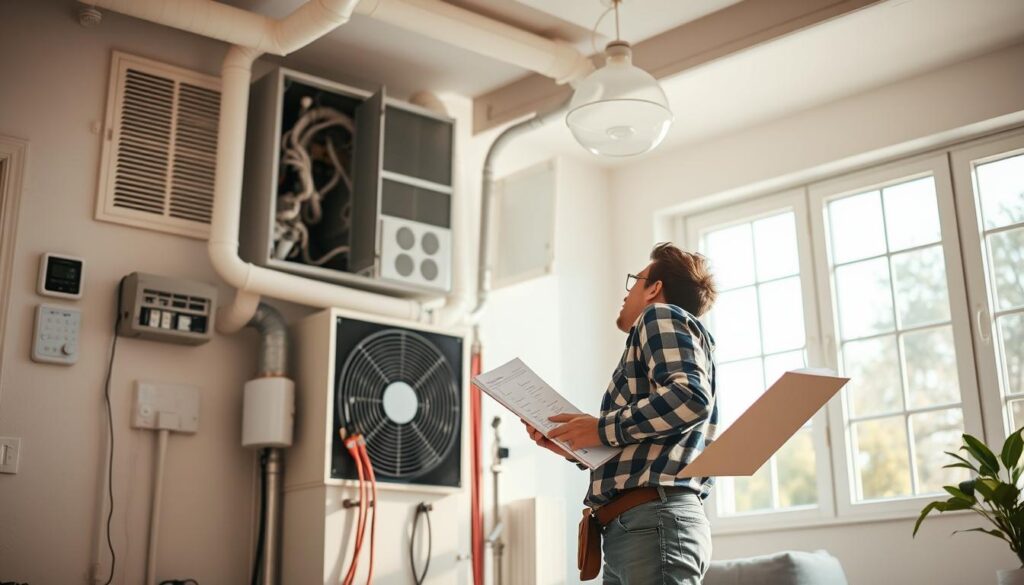
Check your HVAC filters every month, more often in busy seasons. Clean filters are essential for good airflow and efficiency. Most filters need to be changed every 30 to 60 days, based on your home’s conditions.
But, you might not need to change them as often. Bob Vila says to change filters every 90 days for most homes. This works if you don’t have pets or live in a dusty area. Change filters more often if:
- You have pets (every 30-45 days)
- Your home is dusty or near construction
- Family members have allergies or breathing problems
- It’s peak heating or cooling season
Changing filters regularly saves you money. A clean filter can cut your HVAC system’s energy use by up to 15%. You’ll also breathe cleaner air and avoid expensive repairs.
Annual System Inspections
Get a professional HVAC inspection once a year, before the busy season. Schedule it in early spring for cooling or early fall for heating. This way, you catch problems early.
A technician will do many important things during an inspection. They’ll clean parts you can’t reach, check refrigerant, and test electrical connections. They’ll also find problems before they cost a lot.
Here’s what a full inspection includes:
- Cleaning and inspecting the outdoor unit
- Checking thermostat settings
- Testing safety controls and electrical connections
- Lubricating parts and checking belts
- Measuring system performance and efficiency
Annual inspections are an investment in your home. Regular maintenance can add years to your HVAC system’s life. It keeps your system efficient and saves you money on repairs.
4. Plumbing Maintenance You Can’t Ignore
Understanding your home’s plumbing system is essential home care advice that saves money and stress. We always tell new homeowners that plumbing problems cause some of the most expensive damage to your home. Prevention is your best defense against costly water damage repairs.
Regular plumbing maintenance protects your investment and keeps your family comfortable. Small leaks can quickly become major disasters if left undetected. Learning basic plumbing care helps you catch problems early and avoid emergency situations.
Checking for Leaks
Monthly leak inspections should become part of your routine home care schedule. We recommend checking specific areas where leaks commonly develop. Start by examining under all sinks in your kitchen and bathrooms.
Look around toilets for any signs of moisture or water stains on the floor. Check near your water heater for puddles or rust spots. Don’t forget to inspect basements and crawl spaces where pipes are often exposed.
Early detection saves thousands in water damage repairs. Look for these warning signs during your monthly checks:
- Water stains on walls or ceilings
- Musty odors that suggest hidden moisture
- Unusually high water bills
- Soft or warped flooring near plumbing fixtures
- Dripping sounds when no water is running
Document any concerns you find during inspections. Take photos of suspicious areas to track changes over time. This essential home care advice helps you communicate effectively with plumbers when needed.
Winterizing Your Pipes
Frozen pipes can burst and cause devastating water damage to your home. We suggest learning where your main water shutoff valve is located before you need it. Emergencies always happen at the worst times, often in the middle of the night.
Insulating exposed pipes is key if you live in areas with freezing temperatures. Focus on pipes in unheated spaces like basements, crawl spaces, and garages. Foam pipe insulation is inexpensive and easy to install.
Disconnect and drain all garden hoses before the first freeze. Water left in hoses can freeze and damage both the hose and the spigot. Store hoses in a warm location during winter months.
Know how to shut off water to your entire home quickly. Practice locating and turning the main shutoff valve several times. Mark the valve location clearly so family members can find it during emergencies.
These winterization steps represent essential home care advice that every homeowner should master in their first year. Taking time to prepare prevents expensive freeze damage and gives you peace of mind during cold weather.
5. Electrical System Safety and Maintenance
We think knowing about electrical systems helps homeowners keep their homes safe and well-maintained. Your home’s electrical system powers everything. It’s key to know basic safety steps. While big electrical jobs need pros, you can do some safety checks yourself.
Keeping your electrical system in check stops dangers and saves money. We suggest checking visible parts every month. This way, you can spot problems early and avoid big risks.
Inspecting Outlets and Switches
Make it a habit to check outlets and switches every month. First, test all outlets. Pay close attention to GFCI outlets in places like bathrooms and kitchens. These outlets have reset buttons to keep you safe from shock.
Watch out for these signs during your checks:
- Loose outlets that don’t hold plugs well
- Scorch marks or color changes around outlets
- Unusual warmth from switches or outlets
- Crackling sounds when using switches
- Flickering lights when turning on appliances
Test GFCI outlets by pressing the “test” button. This should cut power. Then press “reset” to turn it back on. If it doesn’t work right, get a licensed electrician fast.
Swap out outlet covers that are broken or damaged. Tighten or replace loose outlets to avoid fires and arcing.
Understanding Circuit Breakers
Your circuit breaker panel controls your home’s electricity. Knowing how it works is key for any homeowner. We suggest labeling each breaker so you know what it controls.
Make a simple map to show which breaker controls each room or appliance. This is very helpful in emergencies or when you need to shut off power for repairs.
Notice if any breakers trip often. This might mean a circuit is overloaded or there’s an electrical problem. Never ignore tripped breakers or try to get around them.
Keep the area around your electrical panel clear. You should be able to reach the breakers easily. If you smell burning, see sparks, or hear odd sounds, call an electrician right away.
If you’re unsure about electrical issues, always talk to a licensed electrician. Your safety is more important than saving money.
6. Exterior Maintenance to Protect Your Home
Keeping your home’s exterior in good shape is key to avoiding expensive fixes and keeping its value up. Your home’s outside faces harsh weather, UV rays, and seasonal changes. These maintenance tips for new homeowners will help protect your investment and prevent costly repairs later.
Exterior maintenance is more than just making your home look good. It’s your first line of defense against water damage, structural issues, and energy loss. By being proactive, you can catch small problems before they grow into big ones.
Roof Care Tips
Your roof is your home’s main defense against the weather. We suggest getting annual professional inspections to spot problems early. But, you can also do simple checks yourself throughout the year.
Watch for these signs during your roof checks:
- Missing, cracked, or curled shingles
- Damaged flashing around chimneys and vents
- Granules in gutters
- Water stains on ceilings
- Sagging or worn-out areas
After big storms, do extra checks from the ground. Never climb onto your roof without safety gear and experience. If you see damage, call a licensed roofer right away to stop water leaks.
Be extra careful around skylights, chimneys, and vent pipes. These spots are more likely to leak and need regular checks.
Gutter Cleaning Best Practices
Gutter care is a vital but often ignored task. Clogged gutters can damage your roof, siding, foundation, and landscaping. Clean your gutters at least twice a year – in spring and fall.
Here’s how to clean gutters safely:
- Use a sturdy ladder with someone watching you
- Wear gloves to protect your hands
- Remove debris by hand or with a small scoop
- Flush gutters with a garden hose
- Check downspouts for water flow
Think about getting gutter guards to clean less often, if you have trees near your home. These covers let water through but block leaves and debris.
Remember other exterior tasks like power washing siding, touching up paint, and caulking around windows and doors. These simple tips help keep your home strong and its value up for years.
7. Lawn and Garden Care Essentials
Keeping your outdoor spaces beautiful is easier when you know the basics. Your landscape is often the first thing people notice. These key upkeep tips for first-time homeowners will help you create a thriving outdoor space.
Your outdoor care routine doesn’t have to be hard. With the right steps, you can keep your lawn and garden looking great all year. Consistency is more important than perfection when starting out.
Setting Up a Watering Schedule
Creating a good watering schedule is key to lawn and garden care. Water deeply but less often to help roots grow strong. This makes your plants more resistant to drought and healthier.
Watering in the early morning is best for most plants. Between 6 AM and 10 AM, plants can soak up water before it evaporates. This also helps avoid fungal diseases that love wet, warm conditions.
Knowing your local climate and soil type helps you water better. Sandy soils need more water because they drain fast. Clay soils hold water longer but need slower, deeper watering. These key upkeep tips for first-time homeowners include checking your soil type and adjusting your watering schedule.
Pest Control Basics
Good pest control starts with prevention, not treatment. Focus on healthy soil and plants that do well in your climate. Healthy plants resist pests better than weak ones.
Check your plants often to catch problems early. Walk through your garden weekly to look for signs of pests or unusual changes. Catching issues early saves time and money and avoids harsh chemicals.
Encourage beneficial insects to balance your garden ecosystem. Ladybugs, lacewings, and wasps help control pests naturally. Plant flowers like marigolds and herbs to attract these helpful insects.
| Maintenance Task | Frequency | Best Time | Key Benefits |
|---|---|---|---|
| Deep Watering | 2-3 times per week | Early morning | Strong root development |
| Plant Inspection | Weekly | Any time | Early pest detection |
| Soil Testing | Annually | Spring or fall | Optimal plant nutrition |
| Mulch Application | Twice yearly | Spring and fall | Moisture retention |
Remember, taking care of your outdoor spaces adds a lot to your home’s value. A well-kept landscape makes your home more beautiful and gives you a place to relax. These basic key upkeep tips for first-time homeowners will help you care for your lawn and garden confidently for years to come.
8. Appliance Upkeep for Longevity
Keeping your appliances in good shape is easy. You just need to pay attention and follow simple steps. These easy maintenance tips for beginners will help you use your appliances better. They also save you money on repairs and replacements.
Most appliances show signs of trouble before they break. Knowing these signs and doing basic maintenance can avoid expensive fixes. We’ll tell you what to do and when.
Cleaning Common Appliances
Your fridge works all the time. So, it’s key to keep it clean. The coils on the back or bottom get dusty. This makes your fridge work harder and use more energy.
Clean these coils every six months. Use a special brush or vacuum attachment. This can make your fridge up to 25% more efficient and last longer. First, unplug your fridge, then brush away the dust and debris.
Don’t forget to clean your dryer’s lint trap after every load. Clogged lint traps can cause fires. Also, get your dryer vent cleaned by a pro once a year to avoid dangerous buildup.
Here are other important cleaning tasks:
- Dishwashers: Clean the filter monthly to prevent clogs and odors
- Washing machines: Run a cleaning cycle monthly and check for leaks
- Garbage disposals: Clean weekly with ice cubes and citrus peels
- Ovens: Clean spills immediately and deep clean quarterly
Energy Efficiency Tips
Using your appliances more efficiently saves money and makes them last longer. These easy maintenance tips for beginners are simple but effective. Small changes can make a big difference in your energy bills.
Lower your water heater to 120°F instead of 140°F. This can save up to 10% on heating costs. Use a thermometer at your faucet to check the temperature and adjust as needed.
Keep your freezer between 0°F and 5°F, and your fridge between 37°F and 40°F. Every degree colder than necessary increases energy use by 5%. Use a fridge thermometer to check these temperatures accurately.
“Regular maintenance is the key to appliance longevity. A well-maintained appliance can last twice as long as a neglected one.”
Change your HVAC filters often and clean your dryer’s lint trap after every load. These steps improve efficiency and prevent expensive breakdowns. Do appliance maintenance during seasonal changes to stay on track.
When it’s time to replace appliances, consider Energy Star models. They use 10-50% less energy than standard ones and may get rebates from utility companies.
9. The Importance of Regular Pest Control
Many new homeowners find out that keeping pests away needs constant effort. Stopping pests early saves a lot of money compared to fixing big problems. Make pest control a key part of your must-know maintenance tips for your first year.
Good pest control keeps your home’s value up and your family healthy. Pests can damage your home, spoil food, and make it dirty. Regular checks help keep your home safe and comfy.
Identifying Common Household Invaders
Knowing the pests in your area helps you fight them better. Ants look for food and water, mostly in warm months. They leave trails that bring more ants to your kitchen.
Cockroaches love warm, damp places and can grow fast if not stopped. They spread germs and can make allergies worse.
Mice and rats come inside when it’s cold. They can damage wires and other things and leave droppings everywhere. Catching them early is key.
Termites are a big threat to wood and can cause a lot of damage before you see them. Look for mud tubes and hollow wood during checks.
Spiders and stink bugs come in for warmth and shelter. Most spiders are safe, but some need a pro to remove.
Effective DIY Prevention Strategies
Getting rid of what pests like is key to keeping them away. Keep your home clean and store food right. Use glass or hard plastic containers.
Fix leaks and use dehumidifiers to stop moisture. Pests need water, so less moisture means fewer pests.
Seal up your home’s outside with caulk or steel wool. Check around pipes and vents for gaps. Even small holes can let pests in.
Regularly check your basement, attic, and outside for pest signs. Catching problems early stops them from getting worse.
DIY can solve many pest problems, but call pros for big ones or dangerous pests. Experts have the right tools and know-how for safe, effective fixes.
10. Preparing for Emergency Repairs
When your water heater fails at midnight or your roof starts leaking during a storm, being prepared makes all the difference. Emergency repairs are part of homeownership reality, but smart planning can turn them into manageable situations.
We believe that preparation beats panic every time. Having both financial resources and trusted professionals ready means you can handle unexpected problems with confidence instead of scrambling for solutions.
“The best time to find a contractor is when you don’t need one. Building relationships before emergencies happen saves time, money, and stress when problems arise.”
Building Your Financial Safety Net
Creating a dedicated home repair fund should be your first priority as a new homeowner. We recommend setting aside 1-3% of your home’s value annually for maintenance and unexpected repairs.
This might seem like a significant amount, but consider the alternatives. A failed HVAC system can cost $5,000 to replace. Roof repairs often run $3,000 or more. Without a repair fund, these expenses become financial emergencies.
Start small if needed. Even $50 per month builds a meaningful cushion over time. Keep this money in a separate savings account so you’re not tempted to spend it on other things. Think of it as insurance for your home’s future.
Track your spending on repairs during your first year. This gives you a realistic picture of what to expect and helps you adjust your savings goals.
Building Your Professional Network
Finding reliable contractors before you need them is essential home care advice that can save you thousands of dollars and countless headaches. Don’t wait until you’re in crisis mode to start looking for help.
We suggest building relationships with key professionals: a general handyman, plumber, electrician, and HVAC technician. Ask friends, family, and neighbors for recommendations. Their personal experiences provide valuable insights you won’t find in online reviews.
Always verify that contractors have proper licenses and insurance. Get multiple quotes for major work and never pay large amounts upfront. Legitimate professionals understand these precautions and respect customers who ask the right questions.
Consider having these professionals do small jobs first. This lets you evaluate their work quality, communication style, and reliability before trusting them with bigger projects.
Keep contact information for your trusted contractors easily accessible. Store their numbers in your phone and keep business cards in a kitchen drawer or home office. When emergencies happen, you’ll be grateful for this simple preparation.
11. Keeping Your Home Safe and Secure
We think keeping your family safe starts with home security. It’s not just about having the right gear. It’s also about keeping it working right.
Every beginner home maintenance guide should say security systems need regular checks. This way, they work when you really need them.
Your home’s safety depends on keeping many systems up to date. From door locks to smoke detectors, each part is key to your family’s safety. Make a monthly checklist to catch everything.
Testing Your Security Systems
Start with the basics like locks and alarms. Change or rekey all locks when you move in. This ensures only you have keys.
Test smoke and carbon monoxide detectors every month. Press the test button to check if they work. Replace batteries every six months during daylight saving time.
Check fire extinguishers once a year. Make sure they’re charged and easy to find. Teach your family where they are and how to use them. A beginner home maintenance guide should always highlight fire safety.
Don’t forget about your security system’s control panel. Test door and window sensors often. Clean camera lenses and check system connections.
Strategic Lighting for Safety
Outdoor lights are for safety and security. Put motion-sensor lights by all doors. They scare off intruders and help you see at night.
Light up walkways well. Dark spots are dangers and risks. Timer-controlled lights make it seem like someone’s home when you’re not.
Fix any burned-out bulbs right away. A single dark spot can ruin your whole lighting plan. Use LED bulbs for longer life and less energy use.
Keeping safety features in good shape protects your home and family. These easy steps in any beginner home maintenance guide give you peace of mind. Your regular checks make a big difference in keeping your loved ones safe.
12. Documenting Maintenance and Repairs
Keeping good records is key to being a great homeowner. Tracking your home’s upkeep history is very valuable. It helps protect your investment over time.
Creating Your Personal Maintenance Log
Choose a method that fits your life. You can use a notebook, spreadsheet, or app. What’s important is to be consistent.
Write down every task, including dates, costs, and who did the work. Add photos of the work done and before-and-after shots.
Your log should track both small and big tasks. Note warranties and keep receipts in order. This helps you plan for the future.
Long-term Value of Repair Documentation
Good records have many uses. They make insurance claims easier. They also help when you sell your home.
Technicians work better with your history. It helps you choose the right contractors for future jobs.
Start good habits early. They will help you a lot in the long run. It’s not just about keeping records.