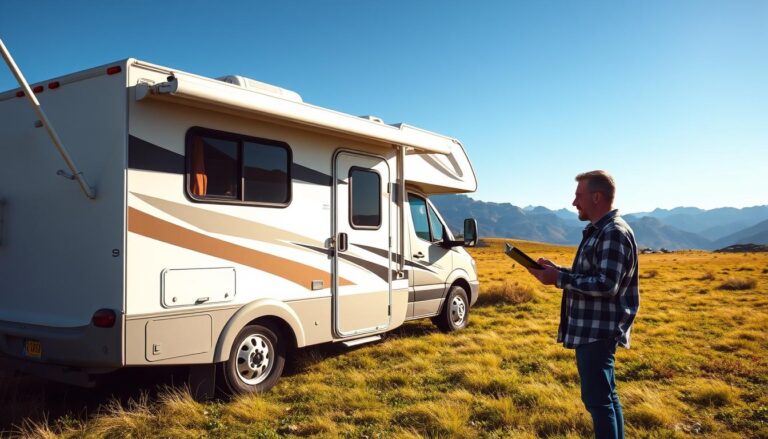
Choosing the right power backup can be tough. It’s hard to pick between old and new power options. Every home and business needs different energy solutions.
We’ve made a detailed guide to help you understand the differences. You’ll learn which power solution is best for you. Deciding wisely is easier with the right info.
Old power units are cheaper to buy but cost more to run. New options are more fuel-efficient and clean. Solar power combines the best of both, making it a great choice for you.
Key Takeaways
- Traditional units cost less upfront but have higher long-term operating expenses
- Modern alternatives offer superior fuel efficiency and cleaner power quality
- Solar-powered solutions combine advantages from multiple technologies
- Power output quality differs significantly between conventional and advanced options
- Your specific energy needs determine the most suitable backup solution
- Total harmonic distortion levels affect sensitive electronic equipment performance
Understanding Generators: The Basics
Generators are key for keeping our homes and businesses running during outages. They provide electricity when we need it most. This makes them a reliable choice for backup power.
Generators turn mechanical energy into electrical power. They use engines that burn fuel to create this energy. This method has been used for years to power emergency systems around the world.
What is a Generator?
A generator changes mechanical energy from fuel into electrical energy. It uses a combustion engine that burns gasoline, propane, diesel, or natural gas. This engine drives an alternator, which makes electricity through magnetic fields.
The process is simple. Fuel burning in the engine creates motion. This motion spins the alternator, making electrical current for our devices.
Generators have fuel tanks and control panels. We can monitor power output and start them automatically or manually.
Common Uses for Generators
Generators are used in many situations. They’re often used for emergency home backup during storms and outages.
Construction sites use generators for tools and equipment. They provide the power needed for heavy-duty work.
Outdoor events and camping trips also use generators. They power lighting, sound systems, and food preparation in remote areas. Hospitals and critical facilities use them as backup systems for life-saving equipment.
Advantages of Generators
High power output capacity is a big advantage of generators. They can handle heavy appliances that smaller alternatives can’t.
The lower upfront costs make generators affordable for more people. They offer reliable power without a high initial cost.
Generators can run for a long time if we have enough fuel. This is great for long outages where we need power for days or weeks.
When choosing between a generator and an inverter, generators are better for big power needs and long use. Their reliability and fuel flexibility make them a top choice for backup power.
Exploring Inverters: The Fundamentals
Inverters are different from generators. They don’t make electricity from fuel. Instead, they change electrical energy into another form. This is how they power your home.
Inverters don’t make power like generators do. They change electrical energy from one form to another. This is done by complex electronic circuits that work automatically.
What is an Inverter?
An inverter is a device that changes direct current (DC) from batteries into alternating current (AC). This lets your home appliances work. It’s like a translator for electricity.
The change happens through electronic circuits. These circuits switch the DC power on and off fast. This creates a wave pattern like AC electricity. Modern inverters also clean and stabilize the power.
Most inverters have special features. These include:
- Automatic load distribution management
- Battery charging control systems
- Overload protection circuits
- Low battery voltage warnings
Inverters can work alone or with the grid. This makes them very useful for different needs.
Common Applications for Inverters
Inverters are used in many places where power is important. Solar power systems use them to turn solar panel energy into household electricity.
They are great for home backup too. When the power goes out, inverters give electricity right away. This is perfect for keeping important devices running.
RV and camping fans like inverters for being quiet and portable. They power laptops, phones, and small appliances without disturbing the outdoors.
Other uses include:
- Marine applications on boats and yachts
- Off-grid cabin power systems
- Emergency backup for medical equipment
- Mobile workshops and food trucks
- Telecommunications equipment backup
The choice between a generator and an inverter depends on your needs. Each situation has its own power needs.
Benefits of Inverters
Inverters have many good points. Instant startup is one. When the power goes out, inverters start working right away.
They are also very quiet. This makes them great for homes where noise is a problem.
The power from inverters is very clean and stable. This is safe for things like computers and medical devices.
Key benefits include:
- Zero emissions during use
- Compact size and light weight
- Low maintenance needs
- High efficiency
- Automatic operation
When choosing between a generator and an inverter, inverters are often better for indoor use. They protect electronics from damage with their clean power.
Inverters also work well with renewable energy. They match up with solar panels and wind turbines. This makes them key for sustainable energy.
Key Differences Between Generators and Inverters
Generators and inverters have key differences that affect your choice. These differences impact power capacity and fuel needs. Knowing these helps you pick the best for your needs.
Choosing between a portable generator vs inverter generator depends on many factors. Each has its own use and excels in certain situations. We’ll look at the main differences that affect your choice.
Power Output Comparison
Generators have higher wattage capacity than inverters. They can power heavy-duty appliances like air conditioning and tools. Most portable generators produce 2,000 to 10,000 watts of power.
Inverters have moderate energy output for sensitive electronics. They’re great for laptops, phones, and small appliances. Their power ranges from 300 to 3,000 watts, perfect for basic needs.
The power difference is key when deciding for camping. Generators can power many devices at once. Inverters are better for essential electronics safely.
Fuel Source Differences
Generators burn fossil fuels like gasoline, propane, or diesel. They need a steady fuel supply for long use.
Inverters use pre-stored battery power that needs regular charging. They convert DC power from batteries to AC for your devices. Battery limits their runtime compared to fuel generators.
“Generators burn fossil fuels continuously, while inverters rely on pre-stored battery power that must be recharged.”
This difference affects planning and preparation. Generators need fuel storage and ventilation. Inverters need charging infrastructure.
Noise Levels and Portability
Generators can be noisier than inverters. They can be as loud as heavy traffic or a garbage disposal.
Inverters are much quieter, at 50-60 decibels. This is like normal conversation or background music. Their quiet operation is good for homes and camps with noise rules.
Generators are heavier and bulkier than inverters. Inverters are easier to carry and store because of their compact design.
| Feature | Generators | Inverters |
|---|---|---|
| Power Output | 2,000-10,000 watts | 300-3,000 watts |
| Noise Level | Up to 80 decibels | 50-60 decibels |
| Fuel Source | Gasoline/Propane/Diesel | Battery power |
| Weight Range | 50-200+ pounds | 10-50 pounds |
These differences help decide which is best for you. Think about your power needs, noise tolerance, and how easy it is to carry.
Performance: Which One Wins?
The fight between generators and inverters focuses on three main areas. These areas are key to choosing the right power solution. You need reliable electricity during outages or outdoor activities.
Each option is best in different ways. Your specific needs will decide which one is right for you. Let’s see how they compare in real-life situations.

Efficiency in Fuel Consumption
Inverter generators are great at saving fuel. They adjust their speed based on how much power you need. This means they use less fuel when you’re using less power.
Traditional generators always run at 3,600 RPM. They burn fuel at the same rate, whether you’re using a little or a lot.
Using an inverter can save a lot of fuel over time. You might use 40-60% less fuel than traditional generators, which is big savings.
Duration of Power Supply
For long use, traditional generators are often better. You can keep them going by adding more fuel.
Inverter generators have smaller tanks because they’re smaller. But, they use fuel so well that they last a long time during normal use.
Runtime comparison shows inverters last 8-12 hours on one tank. Traditional generators can last as long but you can add more fuel from outside.
Output Stability
Output stability is a big difference. Inverter generators give very clean power, with less than 3% distortion.
This clean power output is perfect for sensitive electronics. It’s as good as the power from your home’s grid.
Traditional generators can give “dirty” power. This can damage or mess up your electronics.
| Performance Factor | Traditional Generator | Inverter Generator | Winner |
|---|---|---|---|
| Fuel Efficiency | Constant consumption | 40-60% better efficiency | Inverter |
| Runtime Duration | Unlimited with fuel supply | 8-12 hours typical | Generator |
| Power Quality | Variable, may have distortion | Clean, stable sine wave | Inverter |
| Load Adjustment | Fixed RPM operation | Automatic speed adjustment | Inverter |
Choosing between a generator and an inverter depends on what you need. Inverters are best for saving fuel and clean power for electronics. Traditional generators are better for long use and heavy-duty tasks.
Price Considerations
Understanding the cost of your power solution is key to making the right choice. Budget often decides what you buy. We’ll look at all costs for a fair comparison between generators and inverters.
Costs go beyond the initial price. Generators might seem cheaper at first, but there’s more to consider. We’ll explore the ongoing costs that can add up over time.
Initial Purchase Costs
Generators are often cheaper to buy. You can find a good portable generator for $300 to $800. Standby generators for homes cost between $2,000 and $6,000.
Inverters cost more because of their advanced tech. They’re 20% to 40% more expensive than similar generators. This is because they offer cleaner power and advanced electronics.
But, don’t just look at the initial cost. The cheapest option might not be the best value in the long run.
Maintenance and Operating Expenses
Generators need regular care, which can be costly. You’ll need to change oil every 50-100 hours and replace air filters and spark plugs. These services cost around $100-200 a year for moderate use.
Fuel costs are a big expense for generators. A 5,000-watt generator uses about 0.75 gallons of gas per hour. With today’s fuel prices, this can be very expensive during long outages.
Inverters, on the other hand, need very little maintenance. They have no moving parts, no oil to change, and no filters to replace. Their solid-state electronics rarely need attention.
Long-Term Investment Comparison
We’ve looked at the total cost of ownership for five years. Generators might be cheaper to buy, but fuel and maintenance costs add up. For those who use backup power 40+ hours a year, inverters are often more cost-effective.
Think about how often you’ll use your backup power. Frequent users benefit from inverter efficiency. Those who use it less might prefer the generator’s lower initial cost.
Durability is also important. Quality inverters last 10-15 years with proper care. Generators may need to be replaced after 8-12 years. This makes inverters a better long-term investment.
Noise Levels: A Quiet Choice?
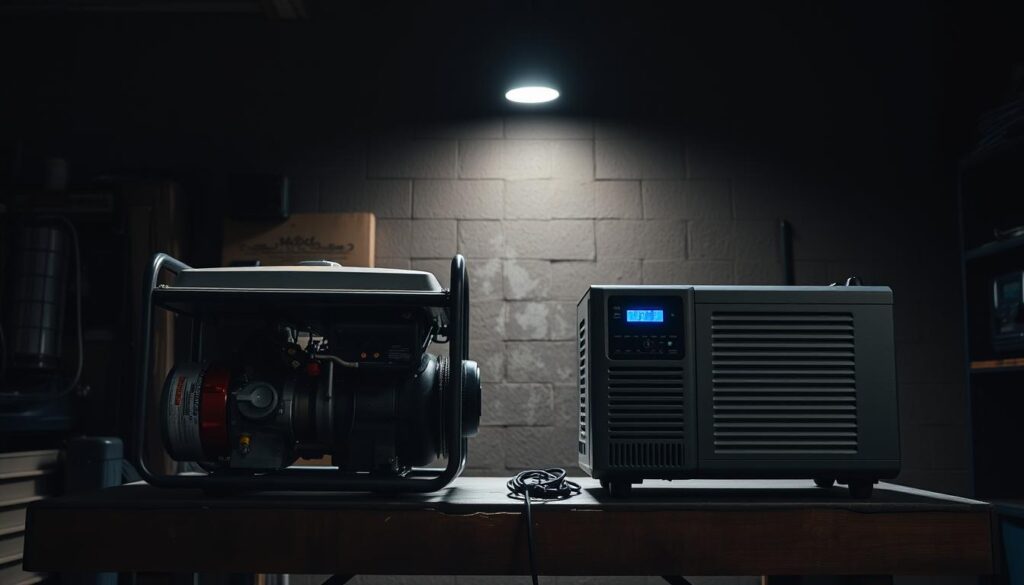
Ever had a neighbor’s loud generator ruin your peace? The noise debate between generator vs. inverter is key for many. Knowing the sound levels can prevent future issues and neighbor complaints.
Generators are loud, while inverters are quiet. This difference is huge. Let’s look at what each offers and how it affects your choice.
Understanding Generator Noise Impact
Generators are very loud, often over 80 decibels. That’s as loud as city traffic or a running garbage disposal. Their engines work hard to make electricity, causing the noise.
This noise can be a big problem in homes. Many places have rules against loud noises at certain times. Using a generator at night or early morning can lead to complaints or fines.
The noise also bothers wildlife and other campers. Campgrounds often have quiet hours. This makes generators hard to use for long periods.
What to Expect from Inverter Quietness
Inverters are much quieter, at 50-60 decibels. That’s as quiet as a normal conversation or light rain. You’ll notice the difference right away.
Solar generators are almost silent. They don’t have loud engines. Instead, they use stored battery power through electronic circuits.
Inverters are perfect for homes and camping. They’re quiet during quiet hours. This peace of mind is priceless when you need backup power.
| Power Source Type | Noise Level (Decibels) | Comparable Sound | Residential Use |
|---|---|---|---|
| Traditional Generator | 80+ dB | City traffic, lawn mower | Limited by ordinances |
| Inverter Generator | 50-60 dB | Normal conversation | Neighbor-friendly |
| Solar Generator | Under 40 dB | Quiet library | Nearly silent operation |
| Battery Inverter | 35-45 dB | Whisper quiet | Unnoticeable indoors |
When choosing between generator vs. inverter, think about where and when you’ll use it. If quiet is important, inverters are the better choice. They offer peace without losing power quality.
Portability and Ease of Use
Choosing between generators and inverters depends on physical needs. The size and weight of your equipment matter for use, storage, and moving. We’ll look at these points to guide your choice.
Your lifestyle and space needs decide the best option. Some want easy-to-carry gear for camping or events. Others need strong units for home use. Knowing these differences helps pick the right one.
Size and Weight of Generators
Generators are big and heavy, needing careful planning for use. They weigh 100 to 300 pounds, with some being very heavy. They are 2 to 3 feet long and wide.
It takes two people to safely move a generator. Their size makes them hard to lift or carry. Many use carts or dollies for easier transport.
Storing generators is a big deal. You need:
- Dedicated garage or shed space
- Proper ventilation for fuel storage
- Protection from weather elements
- Easy access for maintenance
Setting up a generator takes 10 to 15 minutes. This includes moving it, connecting fuel lines, and checking safety. It requires planning and effort.
The Compact Nature of Inverters
Inverters are light and small, making them easy to carry. They weigh 30 to 50 pounds and are as small as a shoebox. This makes them easy to move and place.
Inverters are great for their portability. They are light enough to carry in car trunks or to remote spots. Many like being able to move their power source easily.
Storing inverters is easy. They fit in:
- Closets or utility rooms
- Vehicle storage compartments
- Small outdoor sheds
- Basement corners
Setting up an inverter takes under 5 minutes. Just place it, connect your devices, and turn it on. This makes them perfect for quick power needs or emergencies.
Think about your physical abilities and storage space when choosing. Inverters are great for convenience and easy transport. But generators offer more power and runtime if you can handle their size and weight.
Safety Features to Consider
When looking at the difference between generator and inverter, safety is key. Knowing the risks and protections helps you pick the best for your family.
Both have their own safety needs. It’s important to think about these before buying.

Essential Safety Guidelines for Generators
Generators can be very dangerous. Carbon monoxide poisoning is a big risk.
Never use a generator inside. Carbon monoxide is colorless and odorless. It can be deadly fast.
Here are important steps for using generators safely:
- Keep generators 20 feet away from windows, doors, and vents
- Use battery-powered carbon monoxide detectors
- Keep generators dry and away from rain or snow
- Let the engine cool before refueling
- Store fuel in approved containers, away from heat
Generators can also start fires. Hot parts can ignite nearby things if not placed carefully.
Advanced Protection with Modern Inverters
Modern inverter generators have advanced safety technologies. They often have automatic carbon monoxide detection. This shuts down the engine if levels get too high.
These smart safety features add extra protection. Some models also have overload protection to prevent damage to your devices.
Inverter generators have many safety benefits:
- CO sensors with automatic shutoff
- Lower temperatures reduce fire risk
- Cleaner electrical output for your electronics
- Quieter operation for better awareness
But, inverter generators need to be used outside. Don’t forget basic safety rules.
| Safety Feature | Traditional Generator | Inverter Generator | Risk Level |
|---|---|---|---|
| Carbon Monoxide Detection | Manual monitoring required | Automatic sensors available | High vs. Medium |
| Overload Protection | Basic circuit breakers | Advanced electronic protection | Medium vs. Low |
| Operating Temperature | High heat generation | Cooler operation | High vs. Medium |
| Fuel System Safety | Manual fuel management | Efficient fuel consumption | Medium vs. Low |
Both need regular checks to stay safe. Always follow the maker’s safety tips and do routine safety checks.
Ideal Situations for Each Option
Knowing when to use each power solution can save you money. It ensures reliable electricity when you need it most. The key is to match your needs with the right technology. We’ll look at the best times to use each option.
Different situations need different solutions. Your environment, power needs, and how you use power all matter. Let’s see when each technology is at its best.
High-Power Applications and Extended Runtime
Generators are great for maximum power output over long times. Construction sites are a perfect example. They need to power heavy machinery and tools at once.
Large homes during long power outages also need generators. They can run refrigerators, air conditioning, and more. Generators are good for commercial places where noise isn’t a big deal.
Generators work best when you can easily get fuel. Gas stations and propane suppliers make refueling easy. They’re also great for heavy-duty equipment like welders and compressors.
Clean Power and Quiet Operation
Inverters are best when you want quiet operation and clean power. They’re great for homes in quiet areas. Camping and RV trips also benefit from inverters.
Sensitive electronics need the clean power inverters provide. This includes medical equipment, computers, and modern appliances. The pure sine wave output keeps them working well.
Solar generators are good for those who care about the environment. They offer clean energy without emissions or fuel costs. They’re perfect for eco-friendly camping and outdoor events.
When choosing between a generator and an inverter, think about portability. Inverters are lighter and take up less space. They’re great for apartments, small homes, and mobile use.
| Application Type | Best Choice | Key Advantages | Typical Power Range |
|---|---|---|---|
| Construction Sites | Generator | High power, multiple outlets, fuel flexibility | 3,000-10,000+ watts |
| Home Backup | Generator | Extended runtime, whole-house power | 5,000-20,000+ watts |
| RV/Camping | Inverter | Quiet operation, clean power, portability | 1,000-3,000 watts |
| Medical Equipment | Inverter | Pure sine wave, reliable power quality | 500-2,000 watts |
| Outdoor Events | Solar Generator | Silent operation, no emissions, renewable | 500-1,500 watts |
Cost is also a factor. Generators are cheaper to buy but cost more to run. Inverters and solar generators are more expensive upfront but save money over time.
Your living situation affects your choice. Apartment dwellers and city folks often prefer inverters for space and quiet reasons. Rural areas with more space and less noise rules might choose generators for their power and flexibility.
Emergency preparedness depends on your location. Places with long power outages need generators with big fuel tanks. Areas with short outages can use inverter systems for quick, clean power.
Making Your Decision: Factors to Weigh
We’ve looked at the technical stuff. Now, it’s time to pick. Choosing between a generator and an inverter for your home depends on three main things.
Power Requirements Assessment
First, figure out how much power you need. Make a list of all appliances you want to use when there’s no power. Then, add up how much power each one uses.
Knowing this helps you decide between a portable generator and an inverter generator. Small homes might only need an inverter. But bigger homes might need a regular generator.
Budget Planning
Don’t just look at the price tag. Traditional generators are cheaper but use more fuel. Inverter generators are pricier but use less fuel.
Think about how often you’ll use it. Multiply that by how much fuel it uses. Then, add in any maintenance costs. This shows the real cost over five years.
Lifestyle Preferences
Think about your lifestyle. Do you live near neighbors who like quiet? Inverter generators are quieter. Or maybe you go camping a lot? Portability is key. Or do you care about the environment? Solar generators are a clean choice.
Make a scorecard to help you decide. Rate each option on power, cost, noise, and ease of use. The highest score is your best choice for backup power.