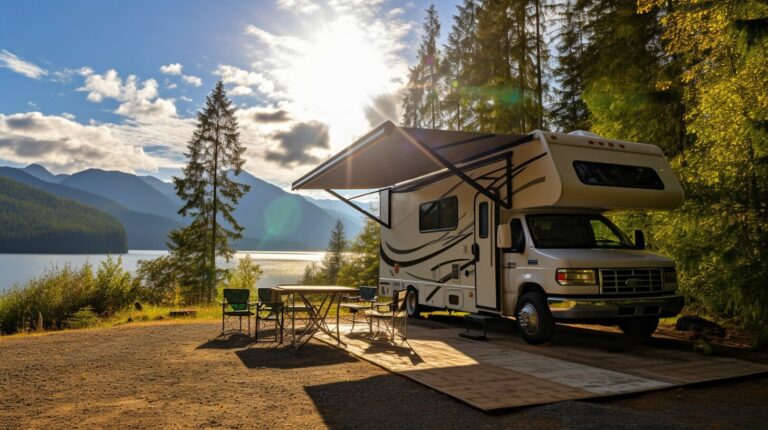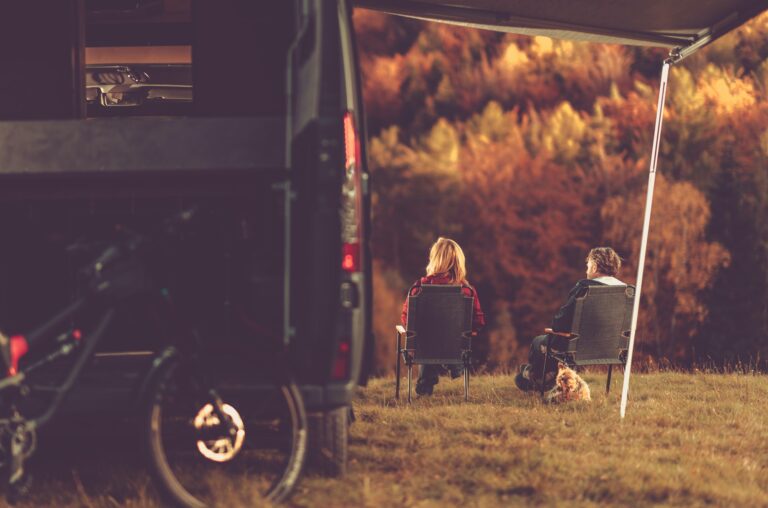
America’s senior travelers can explore our stunning parks and campgrounds comfortably. More older adults are going on RV adventures than ever. They love to see our beautiful country.
Planning trips for older loved ones needs special consideration. Their health and how they move can make RV travel hard. But, with the right prep, it can be great.
RVing with Elderly Family Members means careful planning and smart choices. This guide will help make your trips safe and fun for all. We’ll share accessible RV tips on picking the right RV, planning routes, and staying healthy on the road.
We can make sure seniors have fun RVing. Everyone should see America’s beauty safely and comfortably.
Key Takeaways
- Senior RV travel needs special planning for health and mobility.
- Choosing the right RV makes trips safer and more comfy.
- Plan routes for easy campgrounds and medical help.
- Modifying the RV for wheelchairs and aids is helpful.
- Being ready for emergencies is key with older adults.
- Having the right papers and meds makes travel smooth.
Understanding the Importance of Accessibility in RVing
When we make RV travel accessible for seniors, we open up a world of fun. Accessible RVing isn’t just about convenience. It’s about making memories and keeping everyone safe and happy.
RV travel today welcomes people of all ages and abilities. With the right planning, what seems like a challenge can become a chance to bond and make memories.
Benefits for Elderly Travelers
Traveling with seniors offers many benefits. The freedom to explore at their own pace is a big plus. RV trips let seniors rest when they want and join in when they’re ready.
The National Parks & Federal Recreational Lands Senior Pass gives seniors over 62 access to over 2,000 sites. It also offers discounts on camping and amenities. These discounts make RV travel more affordable for families.
RVs make it easier to keep routines. Seniors can stick to their medication, diet, and sleep. This stability makes travel less stressful and more enjoyable.
| Benefit Category | Traditional Travel | RV Travel | Senior Advantage |
|---|---|---|---|
| Flexibility | Fixed schedules | Self-paced exploration | Rest when needed |
| Comfort | Hotel rooms | Familiar living space | Personal belongings nearby |
| Cost | Daily hotel rates | One-time RV investment | Senior pass discounts |
| Health Management | Limited storage | Full kitchen and storage | Medication organization |
Enhancing Family Connections
RV trips bring families closer together. Shared experiences in close quarters lead to deeper conversations and stronger bonds. This is true for grandparents, parents, and kids.
Seniors often share their life stories on these trips. Their wisdom adds depth to every place we visit. Traveling with seniors gives us new perspectives and history.
RV travel encourages teamwork. Everyone helps with meals, navigation, and setting up camp. This teamwork strengthens family bonds.
Safety Considerations
Safety is key when RVing with seniors. More than 30% of people over 65 years of age fall each year. We must prevent falls with the right equipment and planning.
We need to think about how seniors move around in an RV. This includes entry and exit points, bathroom access, and sleeping areas. The RV’s small space can be safe or risky depending on how it’s set up.
Being ready for emergencies is important. We must plan for medical needs, medication, and staying in touch with doctors. A good safety plan lets everyone enjoy the trip without worry.
Weather affects RV trips more when seniors are along. Extreme weather and tough driving can be harder on them. We need to plan for changes in the weather to keep everyone safe and comfortable.
Choosing the Right RV for Accessibility
Finding the perfect RV for elderly accessibility on the road is more than just looking for a ride. It’s about making travel fun for your family. You need to find an RV that fits your family member’s needs and likes.
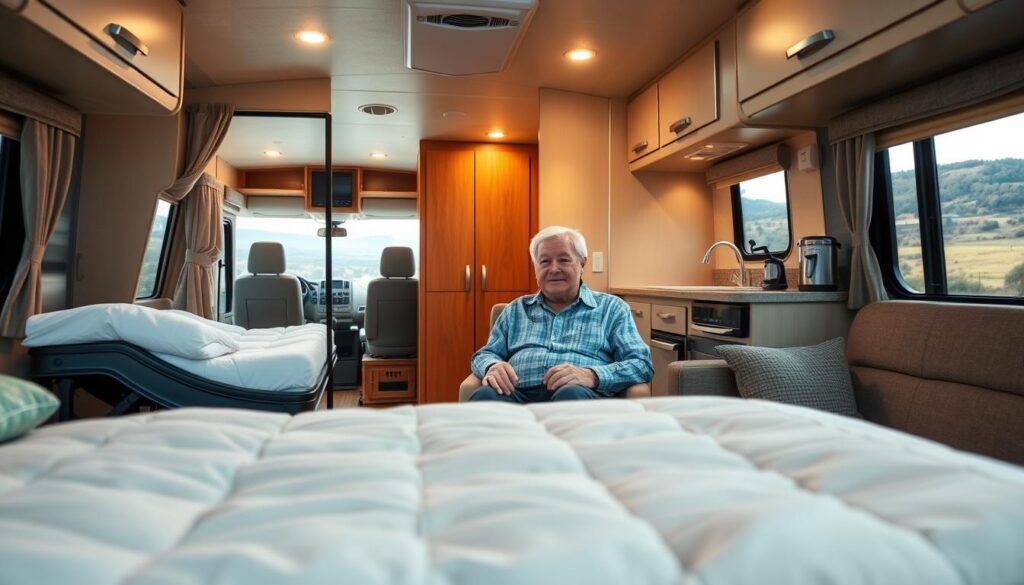
There are many RV types, each with its own level of accessibility and comfort. Think about what your family needs before choosing. The right RV can make your trips safe, comfy, and full of great memories.
Vehicle Categories Perfect for Senior Travelers
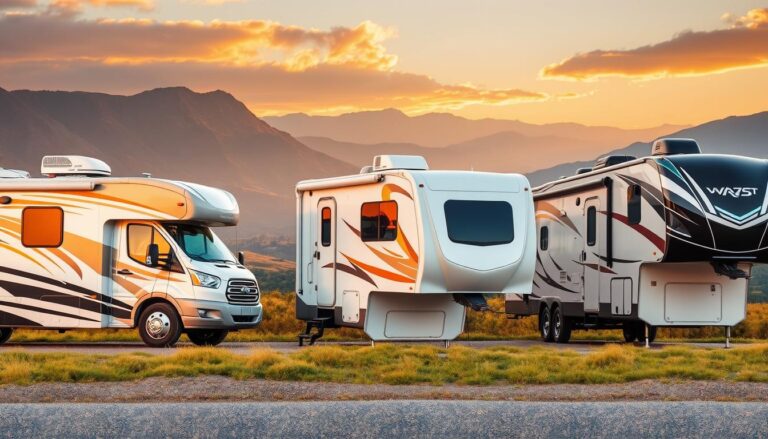
Class A motorhomes are top picks for RV accommodations for elderly travelers. They have lots of room for wheelchairs and walkers. Diesel models are best for smooth rides and strong power on the highway.
Class C motorhomes are great for seniors who want easy driving and lots of features. They’re easy to park and have kitchens, bathrooms, and beds. They’re perfect for couples who like to travel together but also have some alone time.
Travel trailers are good for seniors with trucks. Fifth-wheel trailers have more space and are stable. But think about how hard it is to hitch and unhitch them.
Essential Accessibility Elements
When looking at RVs, focus on key accessibility features. Low entry steps or electric steps make getting in and out easier. Wide doors help everyone move around better.
Accessible bathrooms are very important. Look for RVs with big bathrooms, grab bars, and shower seats. Make sure all storage is easy to reach from a sitting position.
Good lighting is key to safety and easy movement. LED lights are bright and save energy. Also, check that controls and switches are easy to read.
Customization Options for Enhanced Comfort
Many RVs can be made more accessible and safe with some changes. Adding grab bars helps with balance. Handrails in hallways and near beds are also helpful.
Winnebago and others make RVs with ramps and special interiors. These RVs need little to no changes for better accessibility.
Think about using lever-style door handles and faucets for easier use. Improved lighting and non-slip floors also make travel safer. Talk to RV dealers who know about making RVs more accessible to find the best options.
Planning Your Route for Easy Access
Traveling with elderly family members means planning carefully. RVing with seniors needs attention to accessibility and comfort. We must think beyond just getting from point A to point B.
Preparation is key to a stress-free trip. Every mile matters to ensure our elderly loved ones are comfortable and safe.
Researching Accessible Campgrounds
Finding the right campgrounds is more than a quick search. Use tools like RV LIFE Campgrounds to find senior-friendly spots. These platforms help us find places with:
- Level, paved sites for mobility aids
- Accessible restrooms and showers
- Medical services or nearby healthcare
- Senior-friendly activities
Always call ahead to check if the campground fits your RV and needs. Some places don’t take Class A motorhomes, so size matters when booking.
Identifying Pit Stops and Rest Areas
Frequent stops are key when RVing with seniors. Map out State Rest Areas, truck stops, and Walmart for overnight parking. These stops offer:
- Accessible restrooms with grab bars
- Food options for dietary needs
- Shower facilities at truck stops
- Safe, well-lit parking areas
Stop every 2-3 hours for stretching, bathroom breaks, and medication. This prevents fatigue and keeps everyone comfortable.
Making Use of RV Trip Planning Apps
Technology makes planning easier. RV LIFE Trip Wizard and Google Maps help avoid traffic and find stops. Google Maps finds campgrounds by typing “campground near me” or specific locations.
These apps offer great features for senior travelers:
- Real-time traffic updates to avoid delays
- RV-specific routing for height and weight
- User reviews on accessibility
- Integration with campground booking systems
Plan shorter driving days and add extra time for rest stops. This keeps elderly family members comfortable and lets them enjoy each destination.
Preparing Your RV for Elderly Needs
Turning your RV into a cozy spot for elderly family members needs careful planning. We know that eldercare in the RV works best when it’s safe and lets them be independent. Getting ready this way makes trips fun for everyone.
Understanding and fixing mobility issues is key. First, check your RV’s layout to spot problems. This helps you know where to make changes.
Organizing Living Space for Mobility
It’s important to have clear paths in your RV for safe walking. Remove stuff you don’t need and things that could trip you up. Wide walkways of at least 32 inches help everyone move around easily.
Put things you use a lot where you can reach them without stretching. Keep things between 15 and 48 inches off the ground. This makes it easy for both sitting and standing.
Make sure your floors are stable and don’t slip. Use non-slip mats in busy spots and get rid of throw rugs. Consistent flooring levels help avoid tripping at doors and transitions.
Equipment for Comfort and Safety
Adding grab bars in key spots is a big help. Put them by the door, in the bathroom, and next to beds. Stainless steel grab bars are strong and can hold up to 300 pounds if installed right.
Good lighting is key for seniors. Use LED lights for bright, even light. Add motion-activated lights in hallways and near stairs to avoid accidents at night.
Non-slip surfaces in the shower and bathroom are a must. Use textured strips or mats that stay put even when wet. These changes greatly lower the chance of slipping and falling.
| Safety Equipment | Installation Location | Primary Benefit | Cost Range |
|---|---|---|---|
| Grab Bars | Bathroom, Entrance, Bedroom | Fall Prevention | $25-$75 each |
| Motion LED Lights | Hallways, Steps, Bathroom | Night Navigation | $15-$40 each |
| Non-slip Mats | Shower, Kitchen, Entrance | Slip Prevention | $10-$30 each |
| Handrails | Entry Steps, Interior Steps | Stability Support | $50-$150 each |
Storage Solutions for Medication and Medical Supplies
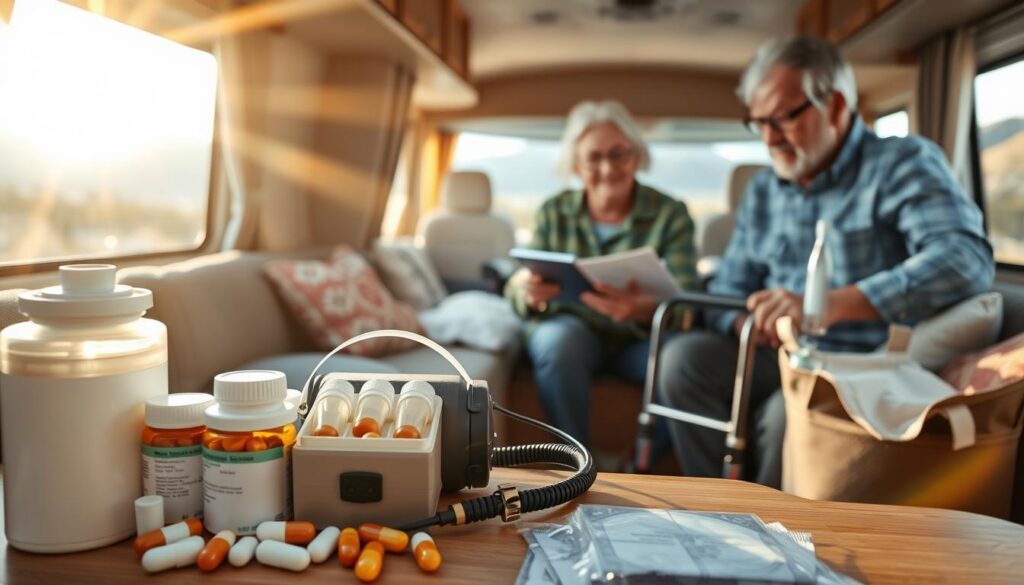
Organizing meds and medical stuff needs to be easy and safe. Create a special area for medical needs near the living area. This makes it easy to find what you need and keeps things organized.
Temperature-controlled storage is important for some meds on the road. Use insulated containers or small fridges for meds that need to stay cool. Daily pill boxes help keep up with medication schedules.
Use clear labels on storage to avoid confusion. Organize supplies by how often you use them. Emergency medical supplies should be easy to find for everyone.
Make a list of medical supplies to keep track of them. Check this list before each trip and restock as needed. Keep digital copies of prescriptions and medical records safe and backed up.
By following these steps, your RV becomes a safe and comfy place for eldercare in the RV. The right equipment and organization make trips better for everyone.
Accessibility Features to Enhance Comfort
Adding the right features makes an RV welcoming for elderly family members. These changes turn a regular RV into a cozy, safe place for everyone. The best upgrades lead to unforgettable elderly travel tips that families cherish.
Planning for accessibility involves three main areas. Each part helps with moving around and staying independent. We focus on entry systems, support structures, and bathroom safety for a full approach.
Lift and Step Systems
Getting into an RV is the first hurdle for elderly travelers. Handrails on entry steps help brace the body as people go up and down, lowering fall risk. These strong supports give the confidence needed for safe entry and exit.
Step braces under the last step keep the system stable during use. This simple addition stops wobbling that can throw off balance. Many RV owners miss this key safety feature, but it greatly improves stability.
Adding extra steps makes getting into the RV easier. Reducing the gap between ground and first step helps elderly family members climb without strain. Some families add two or three steps for a gentle incline instead of a steep climb.
Automatic lamps light doorways in the evening. Motion-activated lighting ensures elderly travelers can see clearly when entering or leaving the RV. These elderly travel tips aim to prevent accidents before they happen.
Grab Bars and Handrails
Grab bars placed throughout the RV offer support points. Professional installation ensures these safety features can support necessary weight without failing when needed most. We suggest bars that can handle at least 250 pounds of force.
Bathroom areas need the most attention when installing grab bars. Bars around toilets and showers provide stability during vulnerable moments. Kitchen areas also benefit from handrails near counters and appliances.
Bedroom grab bars help elderly family members get in and out of bed safely. Wall-mounted rails alongside beds offer leverage for sitting up or lying down. These supports reduce strain on joints and muscles during rest periods.
Quality materials are key in grab bar effectiveness. Stainless steel or powder-coated options resist corrosion and maintain their grip over time. Textured surfaces provide better hand contact even when wet, following important elderly travel tips for safety.
Accessible Bathroom Modifications
Bathroom modifications greatly improve comfort and independence for elderly travelers. Installing grab bars around toilets and showers creates essential support points where they’re needed most. These changes allow private bathroom use without assistance.
Shower seats provide a safe place to sit while bathing, reducing fatigue and fall risk. Fold-down models save space when not in use but offer solid support when needed. Non-slip surfaces on seats prevent sliding during use.
Improved lighting eliminates shadows and dark corners that can hide hazards. LED strips around mirrors and shower areas provide bright, even illumination. Motion sensors ensure lights activate automatically when someone enters the space.
Raised toilet seats reduce the distance elderly users must lower themselves, making bathroom use more comfortable. These modifications work alongside grab bars to create a complete safety system. Door widening ensures mobility aids can pass through easily, supporting independence.
| Accessibility Feature | Primary Benefit | Installation Difficulty | Cost Range |
|---|---|---|---|
| Entry Handrails | Fall Prevention | Moderate | $150-$400 |
| Bathroom Grab Bars | Stability Support | Easy | $50-$200 |
| Additional Steps | Easier Access | Easy | $100-$300 |
| Shower Seat | Bathing Safety | Easy | $75-$250 |
These accessibility features work together to create a safe, comfortable environment for elderly family members. Each modification addresses specific challenges while contributing to overall mobility and independence. Following these elderly travel tips ensures everyone can enjoy the RV lifestyle safely and comfortably.
Packing Essentials for Elderly Family Members
Packing the right things is key for fun RV trips with seniors. We know that being prepared makes the trip memorable for all. Choosing the right items helps our elderly family feel safe, comfy, and entertained.
Before we leave, we talk to doctors about our travel plans. Many doctors like to know ahead of time. This helps us make sure we have enough time for medical visits when we get back.
Health and Safety Supplies
A good health kit is the first step for safe RV trips with seniors. We pack a first aid kit with bandages, wipes, pain relievers, and any special medicines. Having these items ready gives everyone peace of mind.
Managing medicines is important on RV trips. We bring all medicines and extra in case of delays. A pill box helps keep routines on track. We also carry medical records, insurance cards, and emergency contacts in waterproof bags.
National pharmacies like CVS and Walgreens have pickup services all over. This lets us refill prescriptions anywhere we go. It’s a good idea to sign up for these services before we leave.
Comfort Items for Travel
Comfort items make RV trips better for seniors. We bring their favorite pillows and blankets to feel like home. Familiar things help reduce stress and improve sleep.
We choose clothes that are comfy and can be worn in different weather. We pack supportive shoes and compression socks for long days. Portable cushions add extra support.
For those who get sick from travel, we have ginger tablets and bands. These simple things can stop sickness and keep everyone happy.
Entertainment and Engagement Activities
Keeping minds active and connected is key on RV trips. We bring books, puzzles, and games for family fun. These activities help us bond and stay sharp.
Technology makes entertainment better. Tablets with movies, music, and books keep us busy. We make sure devices are charged and carry extra batteries.
Doing crafts and taking photos is fun. We let seniors help plan the trip. This makes them excited and involved in the adventure.
Navigating Campgrounds with Elderly Guests
When we arrive at a campground with elderly guests, we make sure they’re comfortable and safe. Successful campground navigation means planning ahead and making adjustments on site. We aim to make the RV experience enjoyable for everyone, without stress or strain.
Setting Up an Accessible Site
Choosing the right campsite is key for elderly travelers. We look for sites that are level and close to important facilities like bathhouses and camp stores. This makes walking easier and saves time and effort.
We set up our outdoor space thinking about elderly guests. Adequate lighting around the RV helps prevent falls at night. We also make sure there’s enough room for walkers or wheelchairs.
Clear paths from the RV door to outdoor seating are essential. We remove obstacles and use mats or rugs for stable footing on uneven ground.
Designated Paths and Walkways
Upon arrival, we explore the campground to find the safest routes to common areas. Elderly family members may face challenges with vision or mobility. We walk these paths together during the day to get familiar.
For evening walks, we use portable lights. Battery-powered lanterns or LED pathway lights light up dark areas. We also find alternative routes if needed.
We focus on areas with steps, curbs, or uneven surfaces. Using reflective tape or small lights helps prevent accidents at night.
Social Activities for Seniors
Many campgrounds have organized activities for seniors. These include craft sessions, group meals, and educational programs. We encourage participation to enhance the travel experience and social interaction.
55+ RV parks are great for seniors. They offer a quieter atmosphere. RV LIFE Campgrounds helps find “55+ Only” parks easily.
Booking early at these parks is a good idea. 55+ campgrounds are popular and hard to reserve, so plan ahead. This ensures we get a spot that meets our elderly family members’ needs.
Group activities like card games and nature walks are great for seniors. These activities help them connect with others and are often the best part of the trip.
Addressing Health Concerns on the Road
When we travel with elderly relatives, their health is our top priority. We must plan ahead for their health needs on the road. Creating systems that work at home and on the road is key.
Planning ahead is the secret to a successful RV trip with elderly family. We think about their daily health routines and how travel might affect them. This helps us avoid stress and ensures everyone has fun.
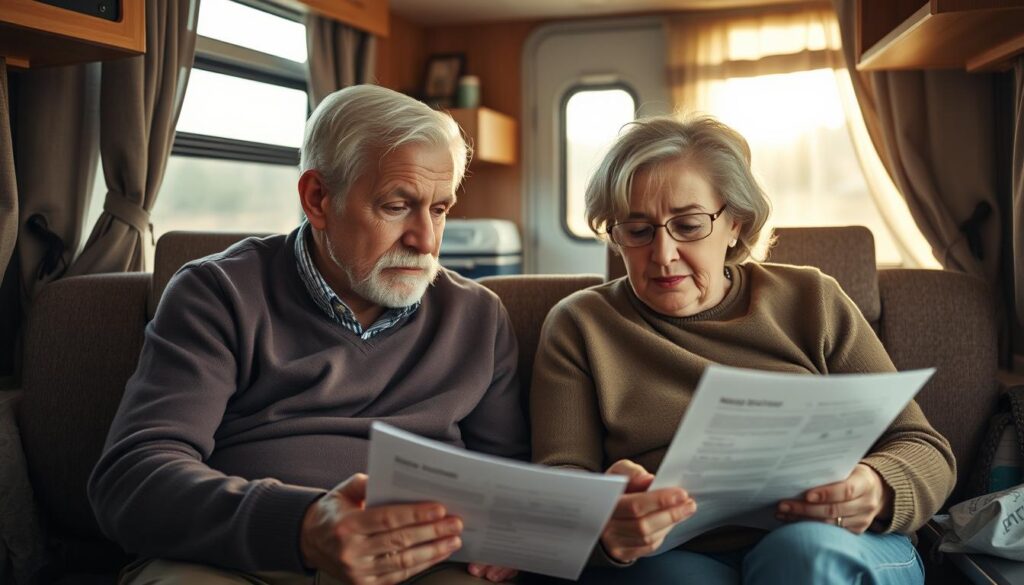
Medication Management Strategies
Using national pharmacy chains like CVS or Walgreens helps manage prescriptions. They share information, so you can pick up prescriptions anywhere in the country. This is very helpful on long RV trips.
Many seniors get their medications shipped to them. We can arrange for these deliveries to reach RV park front desks. Always check with the campgrounds about their mail policies before you arrive.
Having a detailed list of medications helps us stay organized. This list should include dosages, prescribing doctors, and pharmacy info. We keep multiple copies in different places in the RV.
Temperature control is important for some medications. We store these in climate-controlled areas of the RV. Never leave medications in hot cars or in direct sunlight.
Staying Hydrated and Nourished
Staying hydrated and well-nourished is very important for elderly travelers. We keep regular meal times to help their bodies adjust. This helps prevent digestive issues and keeps energy up.
We have healthy snacks and easy access to fresh water in the RV. Travel and climate changes can affect how much they drink and eat. We watch for these changes and adjust as needed.
Planning meals that fit their dietary needs is important. We research grocery stores along our route and plan simple, nutritious meals. Soft foods and pureed options might be needed for some.
| Hydration Tips | Nutrition Strategies | Special Considerations |
|---|---|---|
| Keep water bottles accessible | Plan regular meal times | Monitor medication interactions |
| Offer flavored water options | Stock healthy snacks | Consider swallowing difficulties |
| Monitor intake throughout day | Prepare simple meals | Account for dietary restrictions |
| Adjust for climate changes | Research grocery stores ahead | Pack emergency food supplies |
Emergency Preparedness
We make detailed emergency plans that include contact info for doctors. This is key when seeking medical care away from home. We also look up hospitals along our route.
Keeping medical records and insurance info in easy spots saves time in emergencies. We have both digital and physical copies. Having multiple backups is important.
Knowing each person’s medical conditions and emergency steps is key. We talk about these with elderly family members before we go. Everyone should know basic emergency steps.
We travel in loops to go back to familiar doctors for appointments. This keeps care consistent and allows for adventure. Planning return visits makes elderly travelers feel safer.
Building relationships with urgent care facilities in places we’ll stay for a while is reassuring. We research these facilities before we go and note their locations and hours. This reduces stress during emergencies.
Being prepared for emergencies also means having emergency contact lists and medical alert systems. We make sure these work in remote areas and have backup ways to communicate.
Encouraging Independence and Participation
RVing with seniors works best when they feel like essential contributors. When we let them join in, everyone enjoys the trip more. It boosts their confidence and keeps them feeling needed.
Seniors love to share their life stories and skills. Their experiences make our trips better. By letting them participate, we keep them independent and create memories together.
Engaging in RV Life and Activities
RV life is full of chances for seniors to get involved. We ask them to help with meal planning and preparation. Tasks like washing veggies or setting the table keep them connected.
Planning routes is fun for everyone. Seniors love to research places and share history. We call them our trip historians and they document our journey.
Setting up camp is another way seniors can help. They can arrange outdoor furniture or organize supplies. It makes them feel important to our success.
Planning Senior-Friendly Excursions
We plan trips that are fun but easy on the body. We choose scenic drives, museums, and visitor centers that are comfortable. Many places offer senior discounts, making trips more affordable.
The America The Beautiful Senior Pass is a great deal for seniors. It costs $20 a year or $80 for life and lets you into over 2,000 sites. It’s a big savings compared to the regular pass.
AARP membership also helps. It gives 10% off at campgrounds. These discounts add up on long trips. Local restaurants often have senior discounts too, saving money on food.
| Activity Type | Accessibility Level | Senior Benefits | Cost Savings |
|---|---|---|---|
| National Parks | High | Free entry with Senior Pass | $15-30 per visit |
| Museums | High | Senior discounts available | 10-20% off admission |
| Scenic Drives | Very High | No physical requirements | Free activity |
| Visitor Centers | High | Educational programs | Often free admission |
Encouraging Social Interaction
Keeping seniors connected is key to a great RV trip. We join in campground activities like potluck dinners and game nights. These events help them meet new people.
Many camps have special activities for seniors. Morning coffee groups and craft sessions are great for socializing. Seniors often share tips and advice with others.
RV clubs and groups offer more chances to meet people. Places like Good Sam Club or Escapees have lots of travelers. These connections can lead to lasting friendships.
Local events and festivals add culture and social chances. We check out community calendars before we go. Farmers markets, craft fairs, and cultural celebrations are fun and engaging.
Sharing Your RVing Experiences
Your adventures with elderly family members are worth sharing. They can help other families start their own RV journeys. We think these stories should be shared with everyone.
Engaging with the RVing Community
Places like iRV2 forums let people talk about RVing. They discuss products, places, and RV mods. We urge elderly family members to join these chats.
Their advice on accessible campgrounds is very helpful. It makes newcomers feel more confident about RV travel.
Documenting Your Journey
Keep more than just photos of your trips. Write down which campgrounds were best for mobility. Also, note what RV mods made a big difference.
These travel logs become special family keepsakes. They also help plan future adventures.
Tips for Future Travelers with Similar Needs
Share what you learned from your trips. Honest reviews of accessible places and gear tips are very useful. Your tips on managing health on the road can help others too.
RVing lets you explore the country and meet new people. By sharing your journey, we make RVing welcoming for everyone, no matter their age or ability.