Every RV fan comes to a crucial crossroads. They must choose between living on the road full-time or taking short trips. This choice affects your budget and daily life.
The RV lifestyle comparison shows two main paths. Some love constant adventure and freedom. Others value having a home base but enjoy nature trips too.
We’ve gathered insights from both full-time travelers and weekend warriors. We’ll look at money matters, choosing the right RV, and what makes you happy. These tips help you pick the right path for you.
If you’re starting your RV adventure or thinking about a big change, we’ve got you covered. It’s not about making the wrong choice. It’s about finding out which are you? and what fits your dreams and life.
Key Takeaways
- Two main RV lifestyle approaches offer different benefits and challenges for travelers
- Financial planning varies significantly between permanent road living and occasional trips
- RV selection depends heavily on your intended usage frequency and duration
- Personal circumstances like work flexibility and family needs influence your best choice
- Both lifestyles provide unique opportunities for adventure and personal growth
- Real experiences from both communities offer valuable insights for decision-making
Understanding Full-Time RVing
Full-time RVing is a big change in how people live, work, and travel. It’s not just for weekend trips or vacations. It means making your RV your permanent home.
Many dream of living on the road full-time. But, it’s not easy. It takes a lot of planning, money, and love for adventure. It’s more than just selling your house and buying an RV. It’s about changing how you live, work, and see the world.
What Does Full-Time RVing Entail?
Living in an RV full-time means your RV is your home, kitchen, bedroom, and office. You’ll need a legal address for taxes and mail. Every item must have a reason to be in your RV.
People spend months or years getting ready for this life. They pay off debts, downsize, and find jobs that can be done from anywhere. Having a job that can be done online is key.
You’ll learn how to fix your RV, find places to park, and manage water and waste. You’ll become good at finding places to stay and fixing problems far from help.
Pros and Cons of Full-Time RVing
Living in an RV full-time has many good points. Freedom is the biggest advantage – you can wake up to new views every day. It can also save money, compared to living in a house.
The weather is your friend. You can follow the sun or cool weather all year. This simple life can make you less stressed and closer to nature.
But, there are downsides too. Space can be tight, making it hard to do some things. Finding good internet for work can be hard. Being alone for long periods can be tough.
Fixing your RV can cost a lot. Finding good healthcare on the move is hard. Some miss having a fixed community and making travel plans all the time.
The Weekend Warrior Lifestyle
Weekend warriors are the biggest group of RV owners. They love adventure but don’t give up their regular lives. This way, families can enjoy freedom of RV travel and keep their homes safe and stable. It’s a great start for those new to RV living.
This lifestyle is popular because it’s flexible and balanced. Families start with weekend trips and vacations. It helps them get used to RV life before diving deeper.
Defining the Weekend Warrior Concept
A weekend warrior uses their RV for short trips and vacations. They keep their homes, jobs, and friends. They plan trips around work and family time.
Weekend warriors are good at packing and planning. They know how to get ready to go fast. They pack smart and can leave in just a few hours.
They balance work and travel well. They plan trips ahead, book campsites, and map routes during lunch. It’s about finding a sustainable rhythm that works for everyone.
Benefits of Being a Weekend Warrior
Weekend RVing has many benefits. It lets you keep your career growing. You can climb the corporate ladder while enjoying the outdoors.
It’s also good for your wallet. You keep your main job and use your RV for fun. This way, you can plan finances slowly and avoid big RVing costs.
Family and friends stay close. Kids keep up with school and friends. Adults keep their jobs and community ties. These social anchors are key for happiness.
Weekend warriors learn RV skills slowly. They learn about RVs, camping, and travel without needing to use these skills every day. This builds confidence and skill over time.
They also strengthen family bonds. Camping trips create memories and teach kids important skills. Looking forward to trips makes the week more exciting.
Financial Considerations
RV life costs vary a lot between full-time and part-time RVing. We must look at the real costs of each lifestyle. Both need careful planning, but the costs are different.
Full-time RVing means no rent or mortgage. But, it brings new costs that many overlook. Weekend warriors face their own set of challenges.
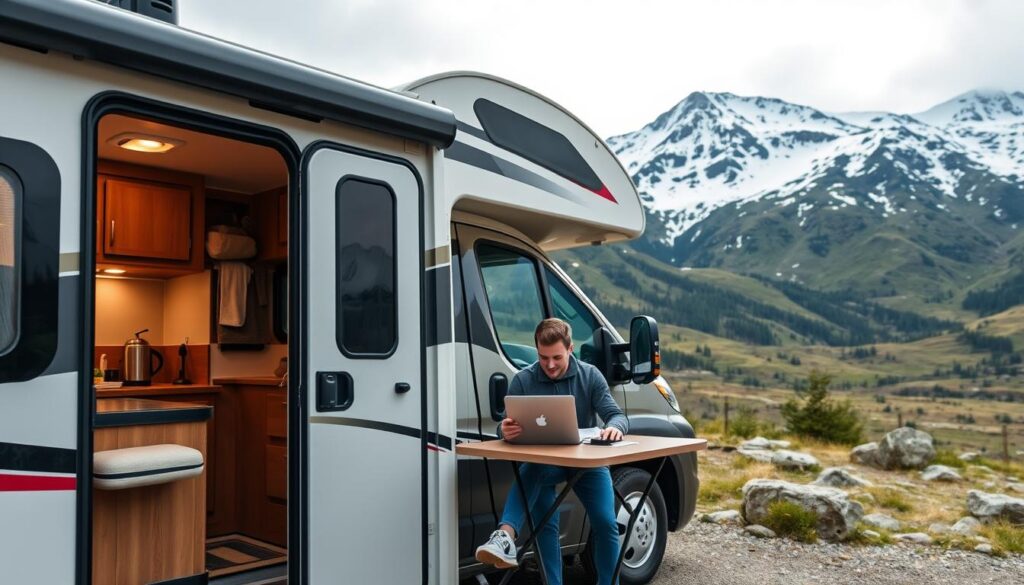
Cost Analysis: Full-Time RVing vs. Weekend Trips
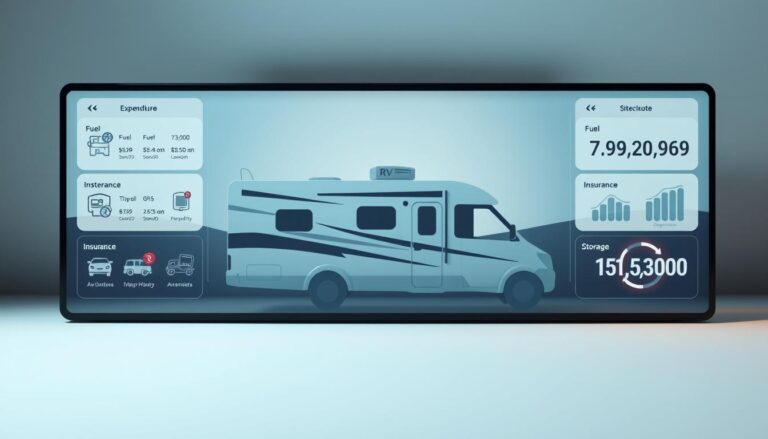
Full-time RVers spend $2,000 to $5,000 monthly. This includes camp fees, fuel, maintenance, insurance, and food. They save a lot on housing costs.
Weekend warriors have a home and an RV. Their RV costs are $300 to $800 monthly. But, they also pay for housing, utilities, and property taxes at home.
Startup costs vary a lot. Full-timers spend $50,000 to $200,000 on an RV. Weekend warriors start with RVs for $20,000 to $60,000.
Budgeting Tips for Full-Time RVers
Full-time RVers need detailed budgets for their income. Save 20% of income for emergencies.
Use spreadsheets or apps to track expenses. Many use Excel to keep track of costs. This helps find ways to save.
Consider seasonal site rentals for savings. Monthly rates are often cheaper than nightly fees. Some stay in one place for months to save.
Build an emergency fund before full-time RVing. Experts say save six months of expenses.
Weekend Warrior Cost Savings
Weekend warriors have stable jobs and income. This lets them plan and invest better.
Set a monthly travel budget. See RV trips as necessary, not luxuries. Many spend $400 to $600 monthly on trips.
Use membership programs for discounts. Passport America or Good Sam can cut camping costs by up to 50% at participating locations.
Part-time RVing lets you keep your job and enjoy the outdoors. You also keep benefits like health insurance and retirement plans.
Lifestyle Differences
When choosing between full-time and part-time RVing, it’s key to know the lifestyle differences. These two ways of RV travel change our daily lives a lot. They affect our morning routines and how we connect with others.
Our days, friendships, and work balance change a lot between these lifestyles. Each has its own good points and challenges. These shape our happiness and how we feel about RV life.
Daily Routines: Full-Timers vs. Weekend Warriors
Full-time RVers wake up to new views every day. This keeps life exciting but needs a lot of flexibility. We might see a mountain lake in Colorado one week and a desert sunrise in Arizona the next.
Our mornings are simple yet meaningful. We adapt to less water, changing weather, and different time zones. Every day brings new challenges that keep us sharp and resourceful.
Weekend warriors keep regular weekday routines at home. We have set work hours, school times, and community duties. Our RV trips are our freedom breaks that we look forward to all week.
Switching between home and RV life is an art. We pack smart and set up fast to make the most of our time. Every weekend is precious because Monday means going back to regular life.
Community and Social Interactions
Full-time RVing means being part of campground communities and meeting fellow travelers. We make quick but deep connections with others who live on the road. These friendships are intense because we know we won’t see each other for long.
RV rallies, gatherings, and online groups are our social spots. We quickly become friendly and open, as every meeting could lead to lasting friendships or travel tips.
Weekend warriors stay close to their home communities. We keep up with friends, join local groups, and stay in touch with family. Our RV stories are shared with our friends and family.
But finding RV friends who share our interests and schedules is harder for weekend warriors. Building RV friendships takes more effort when we only camp on weekends and holidays.
Work-Life Balance
Work-life balance means different things for full-time and part-time RVers. Full-time RVers blend their jobs with travel. We find remote work, become digital nomads, and work from anywhere with internet.
Our offices might be a picnic table by the Grand Canyon or a coffee shop in a small town. Work becomes part of the adventure instead of stopping us from traveling.
| Aspect | Full-Time RVers | Weekend Warriors |
|---|---|---|
| Work Schedule | Flexible, location-independent | Traditional Monday-Friday routine |
| Income Stability | Variable, often multiple streams | Steady, employer-based benefits |
| Career Growth | Entrepreneurial, self-directed | Traditional advancement paths |
| Time Off | Integrated into daily life | Concentrated weekend escapes |
Weekend warriors aim to make the most of their limited RV time while keeping up with work and family. We’re experts at planning trips and switching between work and play modes quickly.
Our RV time is special because it’s our main break from daily stress. We fully disconnect on weekends to recharge for the week ahead. This lifestyle needs strong time management and quick mental shifts.
Both lifestyles can lead to happiness, but they require different ways to handle life, relationships, and growth. Knowing these differences helps us choose the RV lifestyle that fits our values and goals.
Choosing the Right RV
Finding the perfect RV is key to a great camping trip. It affects your comfort and happiness with RV life. With so many choices, picking the right one can be tough.
It’s important to match your RV to your travel style and needs. Full-time RVers need different things than weekend users. Knowing this helps you choose wisely.
Types of RVs for Full-Time Living
For full-time living, you need lots of space and reliable systems. Class A motorhomes are great for this. They have lots of room, separate bedrooms, and full kitchens.
Fifth-wheel trailers are also good for full-timers. They offer lots of space and can be used with a truck for local trips. Many like fifth-wheels for their stability.
Class C motorhomes are good for smaller families or couples. They have a driving and living area all in one. They’re smaller than Class A but have the basics for full-time living.
Storage is key when living in an RV all the time. Look for RVs with lots of storage. Good water, electrical, and waste systems are a must for comfort.
Best RVs for Weekend Warriors
Weekend warriors have more freedom in choosing RVs. They don’t need as much comfort as full-time RVers. Lightweight travel trailers are great for weekends because they’re easy to tow and set up.
Pop-up campers are a good start for new RVers. They have basic needs and are easy to store. They fit in most garages.
Teardrop campers are simple and efficient. Some weekend warriors use very light ones that are easy to tow. They focus on sleeping and basic needs.
Truck campers are perfect for adventurous weekend warriors. They let you go to places big RVs can’t. They’re great for narrow roads and remote spots.
Think about your towing capacity and storage when picking a weekend RV. Easy setup and breakdown are important for short trips more than space.
| RV Type | Best For | Length Range | Key Features | Price Range |
|---|---|---|---|---|
| Class A Motorhome | Full-Time Living | 30-45 feet | Maximum space, luxury amenities, integrated systems | $100,000-$500,000+ |
| Fifth-Wheel Trailer | Full-Time Living | 25-40 feet | Spacious, stable, separate truck use | $50,000-$200,000+ |
| Travel Trailer | Weekend Warriors | 15-35 feet | Versatile, easy towing, good value | $15,000-$80,000 |
| Teardrop Camper | Weekend Warriors | 8-16 feet | Ultra-lightweight, efficient, compact | $8,000-$25,000 |
| Pop-Up Camper | Weekend Warriors | 12-20 feet | Lightweight, affordable, easy storage | $5,000-$20,000 |
Your family size, budget, and camping style should guide your choice. Avoid buying too much or too little for your needs. Rent different RVs to see what fits your lifestyle.
Don’t worry if your first RV isn’t your last. Many RVers start small and upgrade as they gain experience. The most important thing is to start with an RV that fits your current situation and budget.
Travel Flexibility
Planning your RV adventures is different if you live on the road full-time or just for weekends. Travel flexibility is key to how we plan our trips. Each lifestyle has its own benefits and challenges that need special planning.
Full-time RVers have the freedom to change plans anytime. Weekend warriors need to make the most of their short time away. Knowing these differences helps us enjoy our travels more.
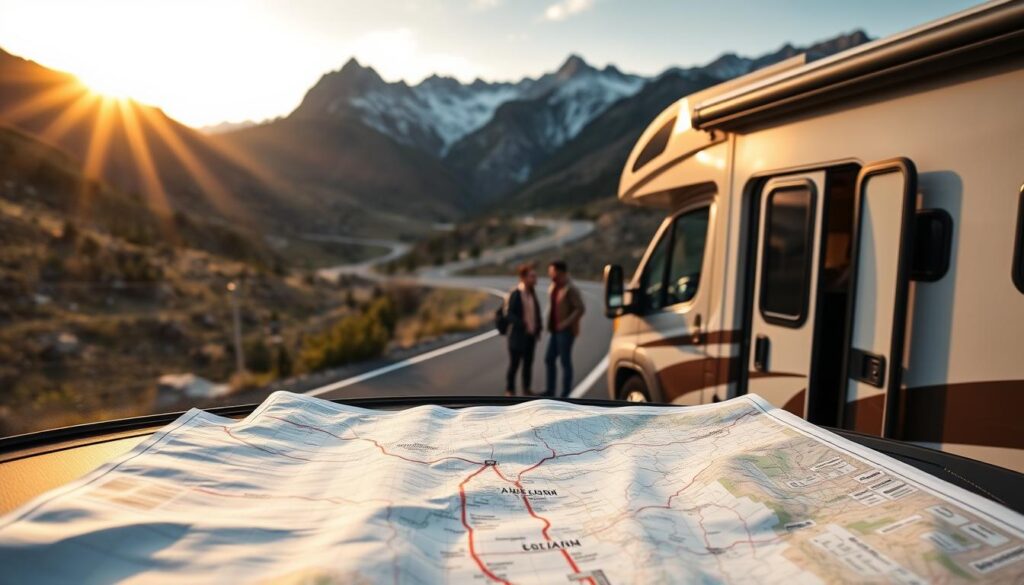
Strategic Planning for Extended Adventures
Full-time RVers can make spontaneous decisions that weekend travelers dream of. We can stay longer in beautiful places or follow the weather. This freedom lets us find hidden spots and avoid crowds.
But, full-time RVing also means planning for practical things. We need to arrange for mail, medical care, and prescriptions. We also have to change our plans when camps close for the season.
Weather is always with us, sometimes making things hard. Smart full-timers learn to predict the weather and change their plans. We might go south early to avoid cold or wait for spring.
Maximizing Short-Term Escapes
Weekend warrior success comes from good planning and smart choices. We try to drive less to have more time at camp. Staying close to home means more time for fun.
Smart weekend travelers avoid busy times at popular spots. We pick less crowded places or go during off-peak times. This saves money and reduces stress.
Packing right is key for weekend trips. We use standard lists and keep our RV ready. Quick setup and breakdown routines help us make the most of our time.
| Planning Aspect | Full-Time RVers | Weekend Warriors | Key Advantage |
|---|---|---|---|
| Trip Duration | Unlimited flexibility | 2-4 days maximum | Full-timers can wait for perfect conditions |
| Distance Traveled | Cross-country possible | Limited to 200-mile radius | Weekend warriors reduce driving fatigue |
| Seasonal Planning | Follow favorable weather | Work around job schedules | Full-timers avoid harsh seasons |
| Booking Strategy | Last-minute reservations | Advance planning required | Weekend warriors secure popular spots |
Both lifestyles need backup plans for surprises. Equipment failures, traffic, and bad weather can mess up plans. We learn to stay flexible and keep a positive attitude when things don’t go as planned.
The Role of Family and Relationships
RV living changes how we connect with our loved ones. Whether we’re living full-time or just on weekends, our relationships are key. Sharing cramped quarters or making precious memories on trips, our bonds are the heart of RV life.
Both lifestyles offer chances to grow closer while facing unique challenges. It’s important to see how each way affects our family and friends.
Living Together in Small Spaces
Full-time RVing changes family ties in big ways. Constant togetherness in a small space can either bring us closer or cause tension. It depends on how we handle it.
Privacy is a luxury in RVs. Family members must respect each other’s space. Many find creative solutions like quiet hours or outdoor spots.
“Living in our RV taught us to communicate better as a family. When you can’t escape to separate rooms, you learn to work through conflicts quickly and respectfully.”
Teaching kids RV skills is a bonding activity. They learn responsibility and gain lasting memories and skills.
Keeping in touch with extended family is harder in RVs. Video calls and visits are key. Many find their bonds with extended family grow stronger because visits are more meaningful.
| Relationship Aspect | Full-Time RVing | Weekend Warrior | Key Strategies |
|---|---|---|---|
| Daily Interaction | Constant close contact | Intense but limited time | Establish boundaries and routines |
| Extended Family | Requires planned visits | Easier regular contact | Use technology and schedule visits |
| Friend Maintenance | Long-distance challenges | Local friendships preserved | Join RV communities and clubs |
| New Relationships | Constant opportunities | Campground connections | Participate in group activities |
Maintaining Social Connections
Weekend warrior families have different dynamics. The anticipation and excitement of trips can strengthen family ties.
These families keep their social networks strong. Local friendships and school ties stay intact. The RV enhances relationships, not replaces them.
Weekend trips offer quality time without distractions. Families can focus on each other, making these moments more valuable than constant togetherness.
Building friendships in RV communities is different for weekend warriors. Campground friendships are seasonal. But, many join clubs or rallies to make lasting connections.
Weekend warriors must balance RV friendships with existing relationships. Friends and family who don’t RV may feel left out or confused.
“Our weekend RV trips became the glue that held our family together during our teenagers’ busy years. Those camping weekends were the only time we all disconnected from our devices and really talked.”
Both lifestyles need intentional relationship building in the RV community. Activities, meals, and helping others create lasting bonds. These friendships offer support, advice, and friendship, enriching the RV experience.
Communication, flexibility, and respect are key to successful RV relationships. Whether full-time or weekend, our bonds are the heart of our RV journey.
Outdoor Activities and Hobbies
RV living lets us enjoy amazing outdoor experiences. It changes how we see nature. Whether you’re always on the move or just on weekends, there’s always something new to do.
RV travel means nature is right outside your door. You can wake up by lakes, sleep under stars, and start hiking right away. It’s easy to find new hobbies and see new places.
Seasonal Adventures for Full-Time Explorers
Full-time RVers get to follow the weather and seasons. In winter, we hit the snow in Colorado. In spring, we see desert flowers in Arizona. This lets us really get good at outdoor activities.
Full-timers often become experts in things like rock climbing or bird watching. We have time to learn new skills in great places. National parks become our backyard, full of hiking and wildlife watching.
With more time, we can do big adventures. Like backpacking trips or climbing hard routes. We’re not rushed, so we can really enjoy it.
Maximizing Weekend Recreation
Weekend warriors are great at planning quick adventures. We pack a lot into a little time. Our activities are close to campgrounds, so we can get out there fast.
Weekend fun includes hiking, fishing, biking, and camping in state parks. We pick places close by to spend more time outdoors. This way, we can explore local spots and get to know the area.
Weekend warriors also plan trips for specific hobbies. We might go fly fishing one weekend and rock hounding another. This lets us try different things all year.
Both RV lifestyles are great for family and pets. National parks have programs for everyone. We can find activities that everyone can enjoy, making memories together.
The secret to RV fun is being flexible and open to new things. Whether we have weeks or just weekends, nature always has something new to offer.
The Emotional Aspect of Both Lifestyles
Choosing an RV lifestyle affects us more than just the practical stuff. Whether we go for full-time RVing or the weekend warrior vibe, our feelings are tied to our travels. Both ways have their own ups and downs that shape our happiness.
The emotional aspect of RV living touches every part of our journey. We deal with feelings of excitement, freedom, loneliness, and too many choices. Knowing these feelings helps us get ready for the road ahead and enjoy the benefits of this lifestyle.

Finding Joy in Full-Time RVing
Full-time RVing brings a deep sense of freedom that changes lives. Every morning, we wake up with endless possibilities. The freedom to follow the weather, explore new places, and live without traditional housing rules brings us joy.
Many full-timers feel most alive when they find new places. The constant change keeps our minds sharp and engaged. We become more resilient and adaptable, which helps in all areas of life.
But, this lifestyle also has its downsides. Decision fatigue can hit hard when we’re always deciding where to go next. The lack of routine can make us feel lost. Loneliness can sneak up on us, too, when we’re alone between trips.
To find joy, we must accept both the good and the bad. We learn to enjoy quiet moments and seek out community. Many find happiness in:
- Meeting other travelers at campgrounds and rallies
- Sharing their journey through photos or blogs
- Helping out at national parks or local groups
- Doing hobbies that travel well, like painting or music
Weekend Warriors: Unplugging and Reconnecting
Weekend warriors have their own emotional journey. Our camping trips are mental health breaks from daily life. Looking forward to adventures gives us motivation during tough work weeks.
Unplugging from tech and routine lets us reconnect with nature, family, and ourselves. This regular break helps keep our emotions balanced.
Weekend trips offer special benefits that help us between adventures. The memories we make become emotional anchors during tough times. We carry the peace of a campfire evening or the thrill of a new trail back into our daily lives.
The weekend warrior lifestyle helps avoid some emotional downsides of constant travel. We keep stable relationships and routines while satisfying our adventure cravings. This balance often leads to greater happiness in the long run.
Common emotional rewards for weekend warriors include:
- Less stress after each trip
- Stronger family bonds from shared outdoor fun
- Appreciation for both adventure and home comforts
- Better work-life balance and more energy
Both lifestyles need emotional smarts and self-awareness. We must know our limits, celebrate our wins, and adjust as needed. The emotional aspect of RV living decides if we thrive or struggle on our path.
Success in either lifestyle means knowing emotional challenges are normal and short-lived. We develop ways to cope, build supportive groups, and find joy in the unexpected. Whether full-timers or weekend warriors, RV living can greatly improve our well-being.
Maintenance and Upkeep
Keeping your RV in good shape is key to a great RV life. This is true whether you’re always on the move or just enjoy weekend trips. We’ll look at the best ways to keep your RV safe and running well, no matter how often you use it.
How much you travel affects how much you need to maintain your RV. Full-time RVers drive a lot and live in their RVs all year. Weekend RVers might not drive as far but face other challenges.
“An ounce of prevention is worth a pound of cure, when you’re far from help.”
Essential Maintenance for Full-Time Living
Full-time RVing means your RV is your home. You’ll need to know how to fix things yourself because help might be far away. Keep a good tool kit handy with things like electrical and plumbing tools.
Make a maintenance schedule to check everything monthly. Don’t forget to check your engine oil and tire pressure. Your generator needs regular oil changes, not just when it’s been a while.
Water system upkeep is important when you use it every day. Clean your water tank and replace filters often. Also, keep spare parts for things like water pumps and toilet seals.
Your electrical system works hard in full-time RVing. Watch your battery and charging system closely. Clean your battery terminals and check for corrosion. Solar panels need cleaning to stay efficient.
Quick Care for Weekend Adventures
Weekend RVers have different maintenance needs. Their RVs sit idle for long periods, which can cause problems. Do a quick check before you go to make sure everything is okay.
Start your engine and generator every month. This keeps everything flowing and prevents problems. Check your tire pressure before you leave because the weather can change it. Look for any signs of damage or pests.
Plan your maintenance schedule with your camping plans. Do big jobs in spring and fall. Keep a basic tool kit for small repairs, but you can usually get help for bigger jobs.
Batteries need special care for weekend warrior RVers. Disconnect them when not in use or use a battery tender. Check the electrolyte levels and clean the terminals before each season.
Find reliable RV service providers near your home and favorite campsites. Full-timers often have to fix things themselves, but weekend RVers can usually get help when needed.
Tips for Transitioning Between Lifestyles
Many RVers find their needs change over time. They might switch from weekend warrior to full-time living. These changes need careful planning. We’ve seen many RVers make successful transitions by following certain steps.
The key to a smooth RV lifestyle change is realistic planning and gradual adjustment. Jumping into big changes can be disappointing and costly. It’s better to test your new lifestyle first.
From Weekend Adventures to Full-Time Freedom
Switching from weekend warrior to full-time RVing is a big change. It requires a lot of preparation. Financial readiness is the most important thing.
First, pay off debts and save for emergencies. Aim for six months’ worth of expenses in your savings. Many full-timers suggest saving $20,000 to $30,000 before starting.
Downsize your belongings before you leave. Start six months early. Keep only what’s essential or holds sentimental value.
Choose a better RV for full-time living. Weekend warrior rigs often lack the space and comfort needed for long stays. Look for RVs that fit your new lifestyle.
Test the waters before fully committing. Try 2-3 month trips to see if full-time RVing is right for you. This trial helps you find out what challenges you might face.
Returning to Weekend Warrior Status
Going back to weekend warrior life after full-timing is hard. Adjusting to staying in one place can be tough. Gradual reintegration is better than sudden changes.
Secure a place to live and reconnect with locals. Many find it hard to adjust to staying in one place after traveling. Join RV clubs or outdoor groups to stay connected.
Your RV might not be right for weekend trips anymore. Full-time rigs are often too big. Downsize to something easier to tow and maintain.
Rebuild your local network slowly. Reconnect with friends and family, but remember, people and you have changed. Patience and understanding are key.
Part-time RVing can be a good middle ground. Plan longer trips in good seasons and have a home base. This way, you enjoy both worlds without constant travel stress.
Both transitions take time to feel natural. Give yourself at least six months to adjust. The skills and experiences from either lifestyle will help you in your next journey.
Conclusion: Which RV Lifestyle Fits You?
Choosing between full-time RVing and weekend trips depends on you. Both have great benefits if they fit your life and goals.
Reflecting on Your Lifestyle Preferences
Think about your life now. Look at your money, job, and family. Full-time RVing is good for those who can work from anywhere and don’t have a big home.
Weekend trips are great for keeping your job while enjoying RV adventures. Your personality matters too. Do you love trying new things? Full-time RVing might be for you. Or do you like routine with breaks? Weekend trips could be better.
Making the Final Decision
Start with weekend trips to learn about RVing. It’s a good way to try it out without big changes. You can always switch to full-time later.
Remember, your choice can change. Many RVers switch for different reasons. They might go back to weekend trips for family or work. Or they might start full-time adventures.
Both ways have their own joys. Listen to yourself and pick the RV lifestyle that fits your life now and dreams for the future.