The dream of life on the open road is exciting but short-lived without money. We get this. That’s why we’ve made a detailed guide for travelers. It shows how to make sustainable income streams while seeing America’s sights.
A 2011 University of Michigan study found up to 8.9 million US households own RVs. This number has grown a lot. The RV lifestyle has changed a lot in the last ten years.
Today, making money from anywhere is easier than ever. Whether you’re on a short trip or living on the road full-time, many RV living job opportunities are waiting to be found.
We’ll look at ways to make money, from using your skills to finding new RV jobs. These tips have helped many RVers fund their dreams. Our guide covers passive income and jobs that fit the RV lifestyle.
Key Takeaways
- Technology has made it easier to make money while traveling, making remote work more accessible than ever
- Having multiple income streams helps keep your finances stable and reduces your need for a regular job
- The RV community offers unique job opportunities that stationary workers can’t find
- Skills you already have can be used and made money from in the mobile lifestyle
- Passive income strategies are great for RV living because you can work from anywhere
- Workamping combines travel with a job, giving you both money and adventure
Embrace the Remote Work Revolution
Remote work has changed the RV lifestyle, opening new doors for freedom. Now, it’s easier to make money on the road and keep your job. The secret to success is to either work remotely or learn new skills that travel well.
First, talk to your boss about working from anywhere. Many companies now allow remote work. Show them how you’ll stay productive while traveling. Highlight your track record and propose a trial period to ease their worries.
If your job can’t be done remotely, don’t fret. The gig economy offers many ways to earn money. We’ve seen RVers switch to remote jobs in just a few months.
Freelancing Opportunities for Travelers
Freelancing is key for many in the remote work RV lifestyle. It’s flexible and can grow with you. You can work more or less, depending on where you are.
Fields like content writing, graphic design, and web development are popular. Virtual assistance is also in demand. Businesses need help with social media, email, and customer service.
Translation and editing are also sought after. If you’re good with languages or have an eye for detail, you can earn well. Transcription work is another option that’s easy to start.
Digital marketing specialists can make good money. Skills in SEO, PPC, and content strategy are highly valued.
Remote Job Platforms to Explore
Finding the right platform is key for freelancers. We’ve tried many and found that different ones suit different skills. Building profiles on multiple platforms boosts your chances of finding work.
Here’s a comparison of top remote job platforms we recommend:
| Platform | Best For | Fee Structure | Skill Level |
|---|---|---|---|
| Upwork | Long-term projects | 5-20% commission | All levels |
| Fiverr | Quick services | 20% commission | Beginner-friendly |
| Freelancer | Contest-based work | 10% commission | Intermediate |
| Remote.co | Full-time remote jobs | Free to use | Professional |
Start by making great profiles that show off your skills and experience. Include portfolio samples and testimonials when you can. Many RVers start with small projects to build their reputation before looking for bigger jobs.
The remote work revolution lets us keep our jobs while traveling. With the right mindset and effort, you can build a remote career that supports your travel dreams.
Capitalize on the Gig Economy
Digital platforms have changed how travelers make money, opening new ways to earn income while traveling in an RV. The gig economy offers flexibility that fits the nomadic lifestyle. You can work when you need to and take breaks when you want to.
Gig work is perfect for RVers because it offers freedom. There are no long-term jobs or fixed hours. You just open an app, pick your tasks, and start earning right away.
Popular Gig Apps for RVers
Food delivery apps are big in the gig world for a reason. DoorDash, Uber Eats, and Grubhub are everywhere in America. They let you deliver food during busy times and explore new places when it’s slow.
Instacart is great for grocery delivery. You shop for others and deliver their groceries. It’s perfect for suburban areas where families need easy shopping.
TaskRabbit connects you with people who need help with tasks. You might assemble furniture, move boxes, or do home projects. The pay is often better than delivery apps, making it great for RV entrepreneurship.
Roadie is good for RVers with trucks or big vehicles. You transport items between cities, fitting your travel plans. RVers can make good money by planning their routes for Roadie deliveries.
Rideshare apps like Uber and Lyft work well in cities. You can drive when it’s busy and park your RV between rides.
Microtask platforms also offer flexible earnings. Amazon Mechanical Turk, MicroWorkers, and Utest have small tasks you can do from anywhere with internet.
Tips for Maximizing Your Gig Income
Download many apps to make more money. We suggest having at least three platforms ready. This way, you always have work, even when demand changes.
Know the busy times in each place to earn more. Lunch and dinner rushes pay well for delivery drivers. Weekend evenings are best for rideshare services.
Find the best spots in each city for gigs. Areas with lots of restaurants, shops, and businesses have the most opportunities. Research each new city to find these spots fast.
Always check local laws before starting work. Some cities need special permits or licenses for gig workers. A little research can avoid legal trouble.
Keep track of your expenses for taxes. Gas, car upkeep, and phone bills can be deducted. This helps you earn income while traveling in an RV more efficiently.
Start a Travel Blog or YouTube Channel
Digital media has made sharing travel stories a real business for RVers. Smartphones and social media make it easy to share your RV adventures. Videos are great for adventure stories, but blogs are also valuable for detailed info and personal views.
Starting your content journey costs little more than what you already have. Find what makes you different from other travel creators. Focus on budget camping, family RV spots, or America’s hidden gems. Authenticity is key to a loyal following.
Being consistent is key for success. Set a posting schedule that works for your travel pace. This might mean one blog post a week or two YouTube videos a month.
Monetizing Your Content
There are many ways to make money from your RV content. Affiliate marketing is a good start. You earn by promoting products you use on your travels. RV gear makers, camping stores, and booking sites have affiliate programs.
Sponsored content is another way to earn. RV makers, campgrounds, and outdoor gear companies want to partner with you. These deals can be one-time or ongoing, providing steady income.
Ad revenue from Google AdSense or YouTube’s Partner Program is passive income. It takes a lot of traffic to make money, but it’s steady once you have it. Creators with 10,000+ followers often see good ad earnings.
- Digital products: Sell RV travel guides, route planners, or camping checklists
- Online courses: Teach RV maintenance, travel planning, or full-time RV living skills
- Merchandise: Sell branded apparel, stickers, or travel accessories to your audience
- Consulting services: Offer personalized RV buying advice or trip planning services
Building an Engaged Audience
Building a loyal following takes more than just posting. Engage with your audience through comments and messages. Share behind-the-scenes looks to connect deeper.
Use different platforms to reach more people. Share blog snippets on Instagram, make YouTube shorts, and use Pinterest. Each platform attracts different viewers, so adapt your content.
Collaborate with other RV creators to grow your audience. Appear on podcasts, go on joint trips, or do blog posts together. This introduces you to new followers interested in RVing.
Creating content brings more than money. You’ll meet travelers worldwide, join a supportive community, and maybe inspire others to RV. Many creators say the best part is the friendships and travel buddies they’ve made.
Sell Crafts and Handmade Goods
Crafting beautiful items while traveling opens up unique opportunities to earn money. We’ve seen many RVers turn their hobbies into thriving businesses. The freedom to explore new places while creating handmade goods is very appealing.
Your RV becomes a mobile workshop where inspiration strikes at every turn. Whether you’re a jewelry maker, woodworker, or textile artist, the road provides endless creative fuel. The key is choosing projects that work well in limited space and can withstand shipping.
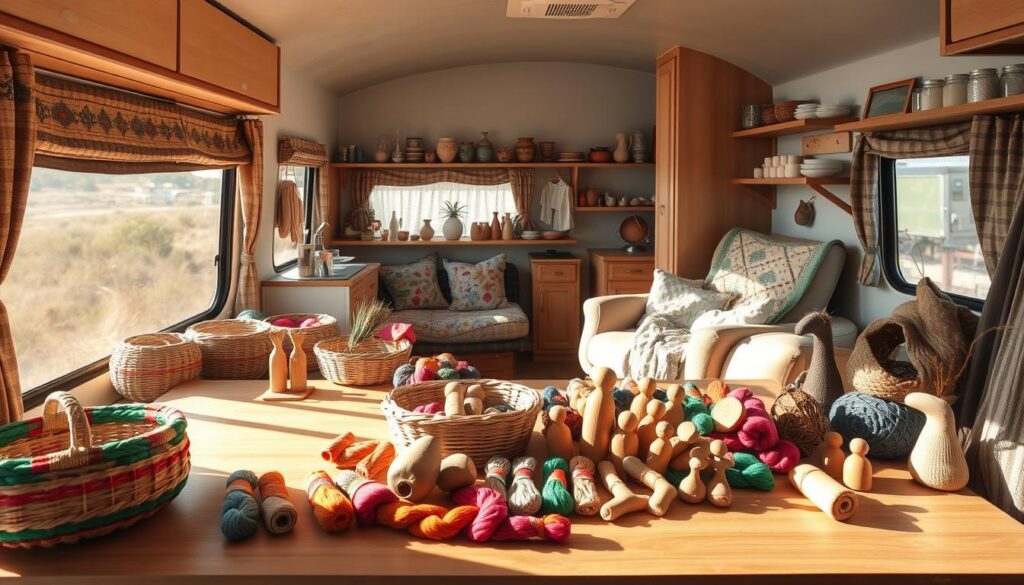
Many successful RV crafters combine online sales with in-person events. They time their travels to coincide with major craft fairs and art festivals. This approach maximizes sales opportunities while providing valuable customer feedback.
Best Platforms for Selling Handmade Items
Choosing the right platform can make or break your crafts business. Each marketplace has unique features and fee structures. We recommend starting with one platform and expanding as your business grows.
| Platform | Best For | Fees | Audience Size |
|---|---|---|---|
| Etsy | Unique handmade items | 6.5% transaction fee | 90+ million buyers |
| Amazon Handmade | Professional sellers | 15% referral fee | 300+ million customers |
| Facebook Marketplace | Local and regional sales | 5% selling fee | 1+ billion users |
| Instagram Shopping | Visual products | 5% selling fee | 2+ billion users |
Etsy remains the gold standard for handmade goods. Its built-in audience actively seeks unique, artisanal products. Amazon Handmade offers massive reach but requires more competitive pricing.
Social media platforms like Instagram and Facebook work well for building brand awareness. They’re effective for visually appealing crafts like jewelry or home decor.
Tips for Success in Online Craft Sales
Professional photography makes a big difference in online sales. Natural lighting works best, so take advantage of your RV’s mobility. Golden hour shots near scenic locations can make your products stand out.
Write compelling product descriptions that tell your story. Customers love knowing their purchase supports a traveling artisan. Include details about materials, dimensions, and care instructions.
Price your items to cover materials, time, and business expenses. Don’t forget to factor in platform fees and shipping costs. Many new sellers undervalue their work, which hurts the entire handmade community.
Build inventory during slower travel periods. Stock up on lightweight, non-perishable supplies when you find good deals. This strategy helps maintain consistent sales even when you’re exploring remote areas with limited internet.
Customer service excellence sets successful sellers apart. Respond promptly to messages and ship orders quickly. Happy customers become repeat buyers and leave positive reviews that boost your visibility.
Workcamping: Get Paid to Camp
Imagine waking up in a beautiful national park or scenic campground. You work and live for free. This dream is real through workamping, a unique way to earn money while traveling. RV workamping jobs mix work and adventure, helping you fund your travels.
Workamping jobs are found in recreational facilities. You can do general labor, office work, or specialized jobs like carpentry. Most jobs are seasonal, from May to October, matching RV travel season. The pay varies by job, with some jobs giving free campsites and utilities, and others adding extra wages.
Finding Workcamping Opportunities
Finding the right RV workamping jobs takes knowing where to look. There are platforms that connect RVers with employers. These platforms help you find jobs that fit your skills.
Workamper.com is the top site for workamping jobs, with hundreds of listings. It lets you filter jobs by location, type, and pay. CoolWorks is also great, focusing on national park and resort jobs.
KOA’s job board has jobs at their many campgrounds across the country. Many jobs offer training and chances to move up. Talking directly to campground managers can help you find the best jobs.
Benefits of Workamping for RVers
Workamping offers more than just free camping and utilities. It creates lasting friendships and gives you insider tips on local attractions.
Workamping gives you financial stability while keeping your travel lifestyle. Most jobs need 20-30 hours a week, leaving time for fun and rest. You can also move south for winter or try other jobs during off-seasons.
Camp host jobs welcome guests and do light maintenance. Retail jobs at park stores offer sales and customer service. Maintenance and groundskeeping jobs are for those who love outdoor work and keeping places beautiful.
| Job Type | Typical Hours | Compensation | Best Season |
|---|---|---|---|
| Camp Host | 20-25 hours/week | Free site + utilities | May – September |
| Park Store Clerk | 25-30 hours/week | Wages + free site | June – August |
| Maintenance Worker | 30-40 hours/week | $12-15/hour + site | April – October |
| Activity Coordinator | 20-30 hours/week | Free site + small wage | Memorial Day – Labor Day |
The workamping community is supportive and friendly. People share tips and make lasting friendships. Many return to the same places each year, building strong relationships with employers and coworkers.
Pet and House Sitting
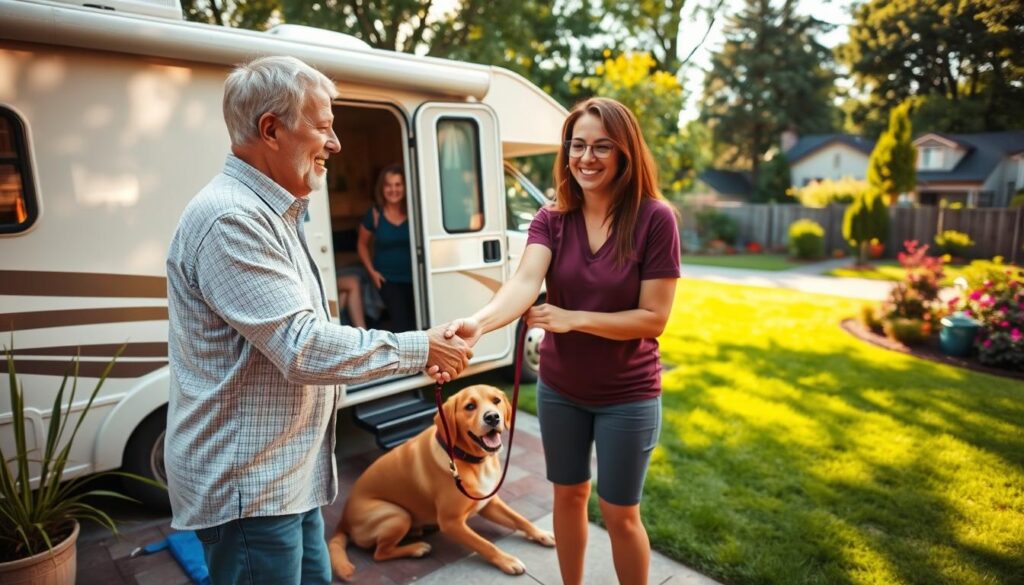
Pet and house sitting is a great way for RVers to earn money while helping others. It’s a win-win for everyone. Homeowners get peace of mind, and you get free accommodation and sometimes get paid.
House sitting jobs can last from a few days to months. This is perfect for RVers who want to stay in one place during bad weather. Many RVers find these opportunities provide welcome breaks from constant travel while keeping their income steady.
Pet sitting is also rewarding, great for animal lovers. You can walk dogs, feed cats, or care for other pets. Some jobs even include both house sitting and pet care.
Getting Started in Pet Sitting
Building a strong profile with references and reviews is key. Start by asking friends and family for references. Mention any experience you have with pets or property management.
Make sure your profile shows you’re reliable and love animals. Share photos with pets if you can. Homeowners want to see the person who will care for their pets.
Start with short assignments to build your reputation. Completing a few weekend or week-long sits can help. Many house sitters build repeat relationships with homeowners, finding opportunities in different places.
Platforms to Connect with Pet Owners
Several established platforms connect RVers with pet and house sitting opportunities. Rover and Wag focus on pet sitting. They’re good for short-term jobs and quick money.
For house sitting, TrustedHousesitters, Nomador, and HouseCarers are good. They require annual fees but offer long-term jobs worldwide. The investment often pays for itself with just one good assignment.
Local Facebook groups and campground bulletin boards also have opportunities. Many RVers advertise their services directly. The Caretaker Gazette is another resource for long-term jobs.
Start by making profiles on many platforms. Diversifying your presence increases your chances of finding suitable assignments that fit your travel plans and preferences.
Teach or Tutor Online
Online education is a great way to make money while traveling. The rise of digital learning has opened many doors for RVers to teach students all over the world. Whether you’re a teacher or just good at certain subjects, online tutoring can be a steady income.
Online teaching is flexible. You can choose when to work, from your RV, and reach students in different places. Many RVers teach Asian students in the morning, fitting their travel plans.
“Online teaching has given me the freedom to explore the country while maintaining a stable income. The flexibility is unmatched, and helping students achieve their goals makes every lesson worthwhile.”
Subjects that Are in Demand
English as a Second Language (ESL) teaching is very profitable for many RVers. Companies need native English speakers to teach in East Asia, the Middle East, and Latin America. ESL teachers can earn up to $22 per hour, making it a top choice.
Other subjects like math and science are also in demand. Math tutoring is popular for test prep. Chemistry, biology, and physics also pay well.
Test prep is another area with high demand. Students need help with SAT, ACT, GRE, and TOEFL. If you’re good at these, you can charge more for your services.
Websites to Find Teaching Jobs
Many platforms connect teachers with students worldwide. Each has its own rules, pay, and audience.
| Platform | Focus Area | Hourly Rate | Requirements |
|---|---|---|---|
| VIPKid | ESL for Chinese students | $14-22 | Bachelor’s degree, teaching experience preferred |
| Education First | ESL worldwide | $10-16 | TEFL certification, native English speaker |
| Qkids | ESL for children | $16-20 | Bachelor’s degree, experience with children |
| Wyzant | Academic subjects | $15-80 | Subject expertise, background check |
To succeed in online teaching, you need more than knowledge. A reliable internet connection, good webcam, and a professional setup are key. Many RVers use signal boosters and backup internet to stay connected.
Setting up a virtual classroom in your RV requires creativity. Good lighting, a clean background, and few distractions are important. This helps create a professional space that students and parents like.
Rent Your RV When Not in Use
We can turn our parked RV into a money-maker when we’re not traveling. This is great for holidays, international trips, or work commitments. One RV owner made over $5,000 during a holiday visit by renting it out.
The peer-to-peer rental market has grown a lot. Now, we have platforms that handle booking and insurance. This makes renting our RV safer and easier.
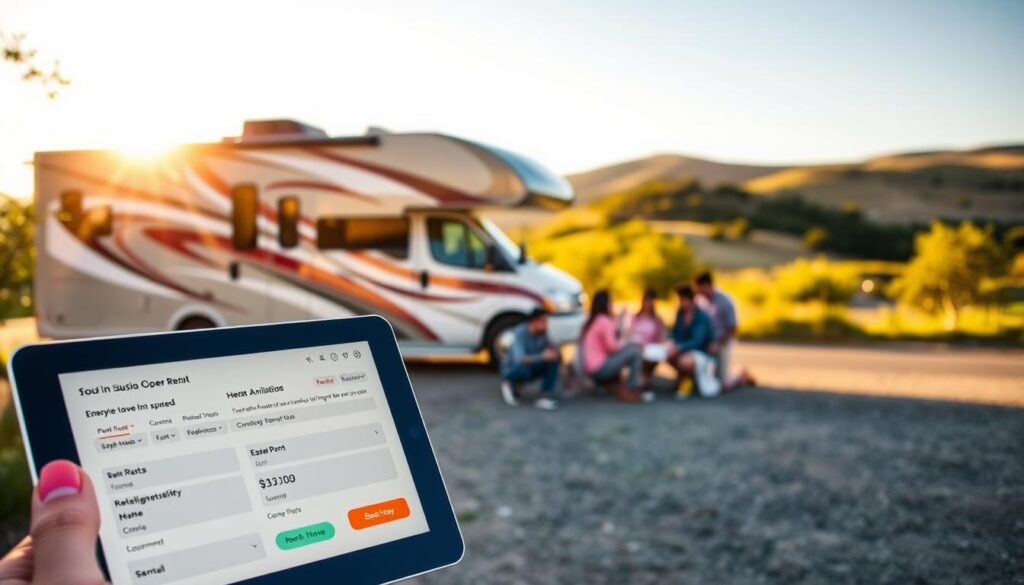
Renting out our RV can earn us $100 to $300 per night. Summer and holiday weekends are the busiest times. Planning our trips for these times can help us earn more.
Top Platforms for RV Rentals
There are many platforms for RV rentals. Each has its own features and fees. We should think about these carefully.
Outdoorsy is a top choice with great insurance and help anytime. They deal with customer issues and check renters. Their fee is 15% to 25% of what we earn.
RVshare offers good rates and lots of marketing. They have $1 million in liability coverage and handle payments. Their fee is similar to Outdoorsy but might be better in some areas.
Cruise America focuses on big motorhomes and has a loyal customer base. They prefer newer RVs and offer professional support.
Benefits and Drawbacks of RV Rentals
Before we start, let’s look at the good and bad sides. Knowing both helps us decide if RV rentals are right for us.
| Advantages | Challenges | Financial Impact |
|---|---|---|
| Make money when we’re not using it | Our RV might get worn out | $100-300 per night possible |
| Insurance from the platform | Deep cleaning needed between rentals | Platform fees 15-25% |
| They check the renters | Strangers might use our RV | Maintenance costs go up |
| They handle marketing | Need to prepare well | Taxes on what we earn |
The emotional side can be a surprise. It’s hard to let strangers use our RV. We need to get used to this.
To do well, we need to communicate well and pay attention to details. We should give clear instructions and help with the RV. Getting good reviews takes time but helps us get more bookings.
Start with short rentals to get used to it. This way, we can learn and improve before taking on longer rentals. The effort is worth it for many RV owners.
Final Tips for Earning Money While RVing
Getting to financial freedom on the road takes patience and trying new things. Success comes from finding what works for you and your travel dreams. Everyone’s journey is different, and that’s okay.
Balancing Work and Travel
It takes practice to mix work and fun in your RV life. Start with 2-3 ways to make money. This way, you’re safe and can travel freely.
Plan your work hours to have time for fun. Some weeks, work more to save money. Others, explore new places. You get to choose.
Staying Organized on the Road
Being organized is key when your RV is your home, office, and car. Make special work areas, even if they’re small. Get good internet and backup plans for deadlines.
Save digital copies of important papers. Keep track of money and income. This makes tax time easier.
Talk to other RVers who make money on the road. The RV community is full of support and tips. Remember, making money while RVing gets easier with time and experience.