Every RV owner knows the three essential tank systems. These keep your mobile home running smoothly. You have fresh water for drinking and cooking, gray water from sinks and showers, and the black water tank for waste from your toilet. Knowing these systems is key for great RV adventures.
The black water tank holds solid and liquid waste until you can empty it. But, RV black tank problems can ruin your vacation. Issues include bad smells, clogs, and sensors that don’t work right.
Managing waste systems can feel tough, even for new RV owners. Build-up from untreated waste or too much paper adds to the trouble. But, with the right knowledge, you can handle these problems with confidence.
Our guide will turn you from a worried beginner into a pro at handling black tank issues. We’ll share prevention tips, troubleshooting methods, and maintenance advice. This will keep your RV fresh and working well.
Key Takeaways
- RV black tanks store toilet waste until you can dump at approved stations
- Common problems include odors, clogs, sensor malfunctions, and waste build-up
- Proper maintenance prevents most black tank issues before they start
- Professional techniques can solve even stubborn tank problems
- Regular dumping and treatment keep your RV systems running smoothly
- Understanding your tank system builds confidence for any RV adventure
Understanding the Black Tank System
Knowing how your RV’s black tank works is key to managing waste on the road. Many new RV owners find it daunting. But, learning these black tank maintenance tips will make you a pro traveler.
Your RV has three water systems. The fresh water tank is for drinking and cooking. The gray water tank holds wastewater from sinks and showers. The black tank, most important, handles toilet waste.
What is a Black Tank?
The black tank is a special place for toilet waste. Unlike home plumbing, it stores waste until you dump it at a station.
This tank holds solid and liquid waste from your RV’s toilet. It includes toilet paper, human waste, and flushing water. Everything from your toilet goes here.
Black tanks are made of ABS plastic. This material is strong and resists corrosion. They come in sizes from 20 to 40 gallons, depending on your RV.
How the Black Tank Works
The system uses gravity. When you flush, waste goes into the tank. It stays there until you dump it at a station.
Having the right water level is important. Expert advice for black tank issues says to keep it just right. This water helps break down waste and prevents solids from sticking to the tank.
Ventilation systems keep gases and odors out. Without them, you could face health and comfort problems.
“A well-maintained black tank system is invisible to the RV owner – you only notice it when something goes wrong.”
Common Black Tank Components
Several parts work together for a good waste system. Knowing them helps spot problems early.
The tank is the base. It has a sloped bottom to guide waste to the outlet valve. This design helps avoid waste buildup.
Inlet pipes connect the toilet to the tank. They must be at the right angle for waste to flow well. Clogs can happen if these pipes get blocked or damaged.
Outlet valves control waste disposal. They must seal well to avoid leaks. Regular inspection of these seals is important.
Tank sensors tell you when to dump. But, they can fail if waste builds up. Learning to guess when to dump is a good backup.
Identifying Common Black Tank Problems
Black tank problems often show clear signs. Catching these early can save a lot of trouble. Most RV owners can handle DIY black tank troubleshooting by knowing what to look for.
Knowing the signs of black tank issues is key. Ignoring them can ruin your camping trip. Let’s look at common symptoms and what they mean.
Symptoms of Black Tank Issues
Several signs point to black tank problems. Persistent foul odors are a big one. These smells won’t go away, even with everything open.
Gurgling sounds and slow draining toilets are other signs. These problems get worse if not fixed.
Sensor malfunctions are frustrating. Tanks might show “full” when they’re not. This can lead to overflow or extra trips to dump stations.
Causes of Black Tank Odors
Knowing why odors happen helps fix the problem. Poor treatment habits are a big cause. Skipping or misusing chemicals lets waste decompose badly.
Not enough water is another cause. We recommend keeping water levels up. This helps break down waste and prevents solids from building up.
Damaged seals let sewer gases in. Regular checks can stop this. Preventing black tank clogs also helps keep smells down.
Overflow and Blockage Signs
Overflow needs quick action to avoid damage. Look for wet spots around the toilet. Sewage smells outside mean you might have an overflow.
Blockage signs include backup into the toilet. You might hear strange sounds or see waste where it shouldn’t be. These signs get worse over time.
Stopping black tank clogs early saves money and trouble. Regular checks keep your tank working right.
Tools You Need to Address Black Tank Issues
Success in black tank care comes from having the right tools. The right equipment makes maintenance easy and clean. Proper preparation with the right tools is key for black tank care for every RV owner.
Building a good toolkit takes time. But, quality equipment saves money and trouble later. Start with basics and add more as you learn about your RV.
Must-Have Equipment for Regular Upkeep
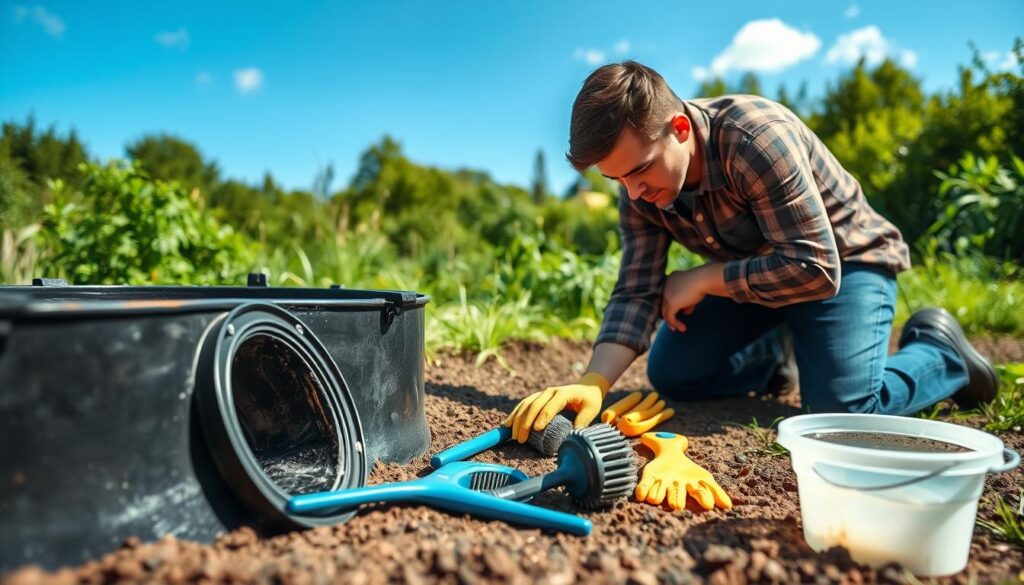
Start with a high-quality sewer hose with secure fittings. A good hose prevents leaks and messes. It’s a smart investment for your RV.
Tank rinser wands are essential for deep cleaning. They provide the pressure needed to remove tough buildup. The Valterra Master Blaster is our top pick for its effectiveness and durability.
Don’t forget these important items:
- Reliable water source with enough pressure
- LED flashlight for inspections
- Measuring cups for chemical dosing
- Spare valve seals and replacement sensors
Effective Cleaning Solutions That Work
We recommend several top-rated treatments for black tank cleaning techniques. Drop-in deodorizing pods are easy to use and work well. They make cleaning simple without the need to measure liquids.
Liquid enzyme treatments are natural and gentle. They break down waste without harsh chemicals. These solutions work all the time to prevent buildup and odors.
Other cleaning essentials include:
- Tank rinser attachments for deep cleaning
- RV-safe toilet paper that dissolves quickly
- Enzyme-based treatments over harsh chemicals
- Biodegradable cleaning solutions
Protection Equipment for Safe Handling
Safety gear is a must when working with waste systems. Always wear disposable gloves during maintenance. Keep extra pairs for long cleaning sessions.
Protective eyewear keeps your eyes safe from splashes and debris. Even experienced RV owners can face unexpected situations. Safety equipment prevents injury or contamination.
Complete your safety kit with:
- Disposable nitrile gloves in multiple sizes
- Safety glasses or protective eyewear
- Hand sanitizer for immediate cleanup
- Paper towels and disinfecting wipes
Having these tools ready means you can fix issues quickly and safely. Prevention through proper equipment beats dealing with major problems later. Your future self will thank you for investing in quality tools.
Routine Maintenance for Your Black Tank
Regular black tank maintenance stops problems before they happen. It saves time, money, and avoids surprises on RV trips. Pro tips for black tank maintenance focus on three key areas for better system performance.
Having a maintenance schedule keeps your black tank working well on every trip. The schedule depends on how often you use your RV and how long your trips are.
How Often to Clean Your System
For weekend users, cleaning after each trip is good. This includes emptying, rinsing, and adding fresh chemicals.
Long trips need more frequent cleanings. We clean every two weeks. Heavy usage means watching tank levels and treating more often.
Light users can clean less often but shouldn’t skip the basics. We empty and clean at least once a month during camping seasons.
The Right Way to Empty Your Tank
Proper dumping removes waste and prevents blockages. We wait until the tank is two-thirds full before emptying. This ensures solids are flushed out well.
The order of dumping is important. We empty the black tank first, then the gray tank. This cleans the sewer hose. Never dump a partially full tank unless it’s really needed.
After dumping, we rinse with fresh water. This stops waste from sticking to the tank. Adding chemicals after rinsing keeps waste breakdown balanced.
Why Water Volume Makes the Difference
Water volume is key for a successful black tank. We add gallons of water before the trip. This prevents solids from sticking.
Not enough water causes big problems. Without enough, waste blocks sensors and clogs. Troubleshooting black tank odors often starts with more water.
We keep water levels up by adding extra after heavy use. This keeps waste diluted and bacterial action effective.
Consistency is the secret to good maintenance. We check our black tank regularly and fix issues early to avoid big problems.
Best Practices for Preventing Black Tank Issues
We found that taking care of our black tank early on stops most problems. By being proactive, we save time, money, and avoid bad experiences. Following good practices helps us dodge common black tank issues that bother many RV owners.
Items to Avoid in Your Tank
Our list of things to avoid keeps our black tank safe. Never use regular household toilet paper like Cottonelle or Charmin. These don’t dissolve fast and can clog our tank.
We only use RV-specific toilet paper that breaks down quickly. This choice helps avoid clogs that are common in RVs.
Wet wipes are also a big problem, even if they say “flushable.” We don’t flush things like feminine products, diapers, or food items like rice. These can cause expensive blockages that need a pro to fix.
Smart Chemical Usage
We pick our tank chemicals wisely to keep our system healthy. Enzyme-based treatments are better than harsh chemicals for breaking down waste naturally. They help good bacteria break down solids.
Bleach and antibacterial cleaners harm our tank and kill good bacteria. We stay away from these harmful products. Instead, we use gentle, RV-safe cleaners that clean well without harming.
When we add treatments, we do it after dumping and when fresh water enters the tank. This ensures the chemicals work well throughout our trips.
Regular System Inspections
We check our black tank system every month to find problems early. First, we check the valves to make sure they work right and don’t leak.
During inspections, we also check the hoses for damage or wear. We test the sensors to make sure they’re accurate. This helps us avoid messy failures.
We never leave black tank valves open at full hookup sites. This can cause solid waste buildup. Between trips, we treat the tanks right and keep them moist to prevent odors and make cleaning easier.
Our routine also includes checking the toilet seal and flushing mechanism. Early detection saves major repairs and keeps our RV trips enjoyable and stress-free.
How to Clean and Deodorize Your Black Tank
We have a detailed cleaning method for your black tank. It removes visible waste and hidden bacteria that cause smells. Regular cleaning keeps your RV in top shape and saves money. Our method includes cleaning steps and natural ways to get rid of smells.
Step-by-Step Cleaning Process
Begin at a good dump station with secure hoses. Always empty your black tank first, not the gray tank. This stops contamination and cleans the sewer hose.
Next, add 15 to 20 gallons of fresh water. This water helps break down waste and gets your tank ready for deep cleaning.
For tough buildup, use a tank wand or backflushing system. Clean deeply when you see bad smells, wrong sensor readings, or waste.

Finish by adding 1 to 2 gallons of clean water and your chosen treatment. This keeps odors away and keeps your system healthy.
Natural Deodorizing Solutions
We like enzyme-based treatments and bacterial additives because they’re natural. They break down waste well without harming your tank or the environment.
Stay away from harsh chemicals that can damage your tank. Instead, pick products with good bacteria. Natural solutions control smells and protect your investment.
When to Seek Professional Help
If smells keep coming back, it’s time for a pro. Also, if sensors don’t work right or buildup won’t go away, you need help.
Experts like Kleen Tank can make your tank new again with high-pressure systems. Professional help is needed for tough problems or when you can’t clean well yourself.
Tips for Troubleshooting Common Problems
We’ve found ways to solve common black tank issues in RVs. The right steps can fix problems quickly or avoid expensive repairs. Most issues fall into three main areas, each with its own solution.
How to Clear a Blockage
Blockages occur when solid waste piles up at the tank’s bottom. We call this a “poop pyramid”. Start by adding more water to the tank and letting it sit for hours.
If flushing doesn’t clear it, use a tank wand. It’s a hose attachment that sprays water into the tank. This high-pressure spray can break up tough clogs.
For really tough blockages, get professional help. Companies like Kleen Tank have the right tools to fix it. They can reach buildup that DIY methods can’t.
Eliminating Unpleasant Odors
Bad smells often mean something’s off with your tank’s balance. We aim to fix the cause, not just mask the smell. First, check your water levels. Low water means waste is too concentrated.
Enzyme treatments are great for fighting bacteria that cause smells. These natural solutions break down waste and get rid of odors. Also, make sure your tank vent is working right.
If smells keep coming back, it might be a chemical imbalance or not enough cleaning. If treatments don’t work, a deep clean by professionals might be needed.
Fixing Valve Issues
Valve problems can be simple or need a full replacement. First, check if the valve seals when closed. Look for wear or damage on the valve.
Use the right lubricant on moving parts. Make sure cables or handles move smoothly. Sometimes, just adjusting something fixes it.
If your valve won’t open or close right, you might need a new one. This job needs some mechanical skill. If you’re not sure, call a pro.
Trying to fix big problems with the wrong tools can make things worse. When DIY doesn’t work, experts have the right tools to fix your black tank.
Handling Emergency Black Tank Situations
Black tank emergencies can happen anytime. But with a good plan, you’re ready. These can be small leaks or big spills. Knowing how to act fast is key.
Staying calm and following steps helps a lot. It’s not just about having supplies. It’s knowing what to do when things go wrong.
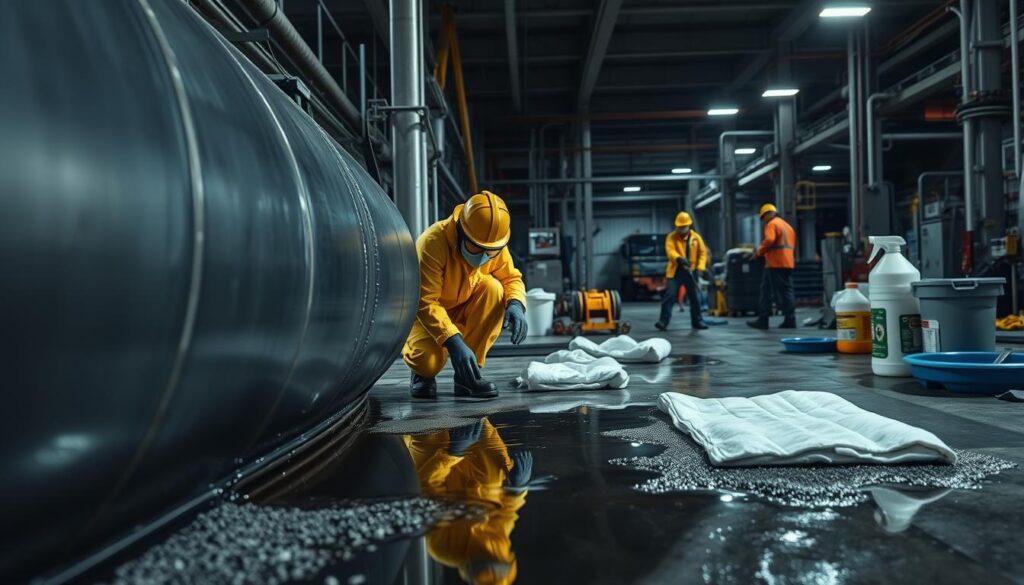
What to Do If You Experience a Leak
Find a leak in your black tank and act fast. Stop using the toilet and find where it’s leaking. Look for wet spots around connections and the tank.
Use paper towels or rags to stop the spill. Keep gloves, disinfectant, and supplies in a kit. Always wear gloves when handling waste.
Turn off the water pump to stop more leaks. If it’s a small leak, tighten the fitting. But for big leaks, you need a pro.
How to Manage a Full Tank
Having a full tank without a place to dump is urgent. Portable waste totes are a good backup. They let you move waste to dump stations.
Use RV apps or directories to find dump spots. Truck stops, RV stores, and some gas stations offer dump services. Call first to check availability and cost.
If you can’t dump right away, use less water. Use restrooms at campsites and avoid extra water. Never dump in the wrong place—it’s bad for the environment and illegal.
Emergency Cleanup Procedures
We learned a lesson at General Butler State Park. A bad sewer connection caused a mess. Always check hose connections before dumping.
Clean spills from the outside in to avoid spreading. Use disposable items and bag them for disposal. Clean with bleach or RV sanitizers.
Wash your hands and change clothes after cleaning. Keep extra water for washing. Document damage for insurance and call pros for big messes.
Having emergency supplies and knowing how to use them makes us confident. Every emergency teaches us something new for future trips.
Choosing the Right RV for Black Tank Management
When looking for an RV, we often focus on layout and amenities. But black tank design is just as important. The right design can save you time on maintenance and make camping better.
Key Features to Look For
Accessible tank locations are key for easy maintenance. Look for RVs where you can easily find dump valves and inspection points. Good valve systems should work smoothly and seal well without too much effort.
Ventilation systems are also important for controlling odors. We prefer RVs with 360-degree airflow vents over basic mushroom vents. These vents help air circulate better and reduce bad smells inside your RV.
Clear tank level indicators are helpful for tracking capacity. Look for systems that show fill levels accurately and last long. It’s also important to have quality materials that resist odors and stains.
Tank Sizes and Capacities
Your camping style affects tank size needs. Weekend warriors might get by with smaller tanks, while long trips need bigger ones.
Tanks in the 30-40 gallon range are often a good choice. They offer enough capacity without adding too much weight. Bigger tanks mean less dumping but more weight when moving.
Think about your trip length and group size when choosing capacity. A family of four on a week-long trip needs more than a couple on a weekend getaway.
Built-in Maintenance Systems
Many RVs have built-in flush systems for a garden hose. While convenient, we don’t rely on them alone. Built-in flush systems often have low water pressure and can leak over time.
We see these systems as supplementary tools, not complete solutions. They’re good for regular maintenance but can’t replace deep cleaning when needed.
Connections can leak after a few seasons. We view built-in flush as “helpful maintenance” but not a magic fix. It helps with upkeep between deep cleanings, but the pressure isn’t strong.
When checking RVs, look at the quality of flush system parts. Choose durable connections and easy-to-replace parts. Remember, these systems work best as part of a full maintenance plan, not alone.
Resources for Further Learning
Learning from experienced RVers and trusted sources makes maintenance easier. Continuous education helps us tackle black tank issues with confidence. The RV community offers great support through many platforms and resources.
Connecting with fellow RVers helps us learn from their experiences. These relationships often give us solutions we wouldn’t find in manuals. Community knowledge fills in the gaps that guides sometimes miss.
Trusted RV Blogs and Websites
We suggest several established websites for maintenance guidance. These sites offer expert advice that works in real life.
RVshare is great for its detailed maintenance guides and troubleshooting articles. Their step-by-step guides are very helpful for beginners.
Winnebago Life gives us insights from the manufacturer. Their articles share insider knowledge on design and maintenance. This helps us understand why certain methods work better.
The Unique Camping + Marine Method Series offers deep technical guidance. Their black tank guides explain system mechanics in detail. We like their scientific approach to solving maintenance problems.
Camco RV is excellent for product advice and treatment recommendations. Their knowledge of RV chemicals and accessories is invaluable. We trust their advice when choosing maintenance supplies.
Active Online Forums for RV Owners
Online forums are where real-world problem-solving happens daily. They connect experienced RVers with newcomers. We participate because these discussions often reveal unique solutions.
Forum members share practical experiences that complement manuals. They discuss what works and what doesn’t. This honest feedback helps us avoid mistakes and find better methods.
RV forums support questions without judgment. New RVers can ask basic questions, while experienced owners tackle complex challenges. Community support builds confidence faster than learning alone.
These platforms also share updates on new products and techniques. Members review and recommend based on actual use. This helps us make informed decisions about maintenance supplies and procedures.
Educational YouTube Channels
YouTube channels offer visual learning that written guides can’t match. We subscribe to many channels for different perspectives. Seeing techniques in action makes complex procedures clearer.
The RV Geeks provide excellent technical content with detailed explanations. Their videos break down complex systems into easy-to-understand parts. We like their thorough approach to troubleshooting and repair.
Other channels show practical demonstrations of maintenance situations. These creators often solve real problems. Real-world applications help us see how techniques work in practice.
We recommend subscribing to several channels for different views on the same issues. Each creator brings unique experience and problem-solving approaches. This variety helps us understand and feel confident.
Using blogs, forums, and videos together creates the best learning experience. This multi-source approach has proven most effective for mastering black tank maintenance.
Conclusion: Mastering Your Black Tank Maintenance
We’ve covered everything you need to make black tank care easy. A little consistent maintenance keeps your RV smelling fresh. This makes your adventures stress-free.
Key Takeaways for Success
Proper black tank care is simple but needs consistency. Knowing your system and using the right techniques helps. Regular maintenance keeps odors, clogs, and repairs away.
We’ve given you a complete toolkit for any situation. This will help you avoid problems.
Building Confidence on the Road
Black tank maintenance might seem scary at first. But, it gets easier with practice and knowledge. We’ve all made mistakes and learned from them.
Don’t let fear stop you from enjoying RV life. It’s all about freedom and adventure.
Your Path Forward
Regular maintenance stops big problems. The right techniques give you the best results. Having the right tools and knowledge makes you confident.
Even experienced RVers keep learning and face surprises. The key is to stay prepared and follow proven steps. Your RV adventures should be about making memories, not dealing with surprises.