Warmer weather and longer days mean it’s time to wake up our homes and RVs. We can start enjoying our outdoor spaces again. But, we must check everything to make sure it’s safe.
De-winterizing in spring means undoing what we did to protect things in the fall. This is important to avoid damage and keep things working well. We need to fix the systems that were shut down during the cold months.
Getting ready for spring is key, whether it’s a vacation home, RV, or your main house. Knowing what to spring check first saves you time and money. We focus on the most important checks first. This way, we catch problems early and avoid big costs.
Checking tire pressure and flushing water systems are just the start. Each step is important for a smooth transition to spring. We’ll show you the top tasks to do right away.
Key Takeaways
- Start your seasonal preparation as soon as warmer weather arrives consistently
- Prioritize safety-critical systems like tires, batteries, and water systems first
- Systematic inspection prevents costly damage and ensures optimal performance
- Both vacation homes and recreational vehicles require thorough seasonal maintenance
- Early preparation helps identify problems before they cost a lot
- Focus on reversing winterization procedures performed during fall months
Importance of De-Winterizing Your Home
De-winterizing your home is more than just a seasonal task. Winter’s cold and moisture can harm our homes. Proper spring maintenance keeps our homes safe and comfortable.
Ignoring this step can lead to big problems. Our heating, cooling, plumbing, and electrical systems need attention after winter.
Why De-Winterizing Matters
Our homes face a lot of stress in winter. Systems need careful fixing to avoid damage. Having utilities working is key for safely starting systems again.
Temperature changes can cause damage. Moisture can lead to mold or structural problems if not fixed quickly.
Seasonal homes have extra challenges. De-winterizing essentials include checking systems before they’re used again. This prevents big costs and ensures systems work well.
Benefits of Preparing for Spring
Spring preparation has many benefits. It helps our home’s systems work well. Finding problems early saves money and avoids big headaches.
Being proactive with spring maintenance helps us plan for repairs. This way, we can find solutions and compare prices. It saves us money and stress.
Our homes are ready for spring and summer. Proper preparation ensures comfort and protects our property value. Well-maintained homes also save on utility bills and have fewer breakdowns.
De-winterizing also gives us peace of mind. We can enjoy the seasons knowing our home is safe. This lets us relax and plan fun activities without worry.
Essential Outdoor Checks
After months of snow and ice, our outdoor areas need a good check-up. The outside of our home takes a big hit in winter. We must look for damage, leaks, and wear that could cause problems.
Visual inspection shows issues we might not see at first. Cracks, peeling sealant, and loose connections often appear during freeze-thaw cycles. We should focus on areas where water might have collected and frozen, as these spots are most likely to show damage.
Inspecting Gutters and Downspouts
Our gutters work hard all winter, collecting debris and dealing with ice. Now we need to check them for clogs and damage. Ice dams and heavy snow can pull gutters away from the house or create cracks in the system.
Start by looking for obvious problems like sagging sections or loose brackets. Then check for clogs by running water through the system. We should also examine the downspouts for proper drainage and make sure water flows away from our foundation.
Don’t forget to inspect the roof area around gutters. Heavy snow accumulation can damage shingles and create weak spots. These problems need attention before spring rains arrive.
Cleaning Outdoor Furniture
Our patio and deck furniture has been through a lot this winter. Even covered pieces can develop issues during storage. Mold, mildew, and rust are common problems we need to address as part of our spring home care routine.
Remove all covers and protective materials first. Check metal furniture for rust spots and wooden pieces for cracks or warping. Cushions and fabric elements need special attention as they can harbor moisture and develop mold.
Clean everything thoroughly before putting it back into use. This is also the perfect time to decide if any pieces need repair or replacement. Better to handle these issues now than discover them when we want to enjoy our outdoor spaces.
Weather damage isn’t always visible right away. Look for loose screws, wobbly legs, and faded or cracked surfaces. These small problems can become safety hazards if we don’t fix them early in the season.
HVAC System Maintenance
Our HVAC system needs a good cleaning after winter. It worked hard to keep us warm. Now, we focus on spring preparation for the warmer months.
Switching from heat to cool needs careful steps. We must make sure our system works well and safely. This prevents big problems when we need air conditioning most.
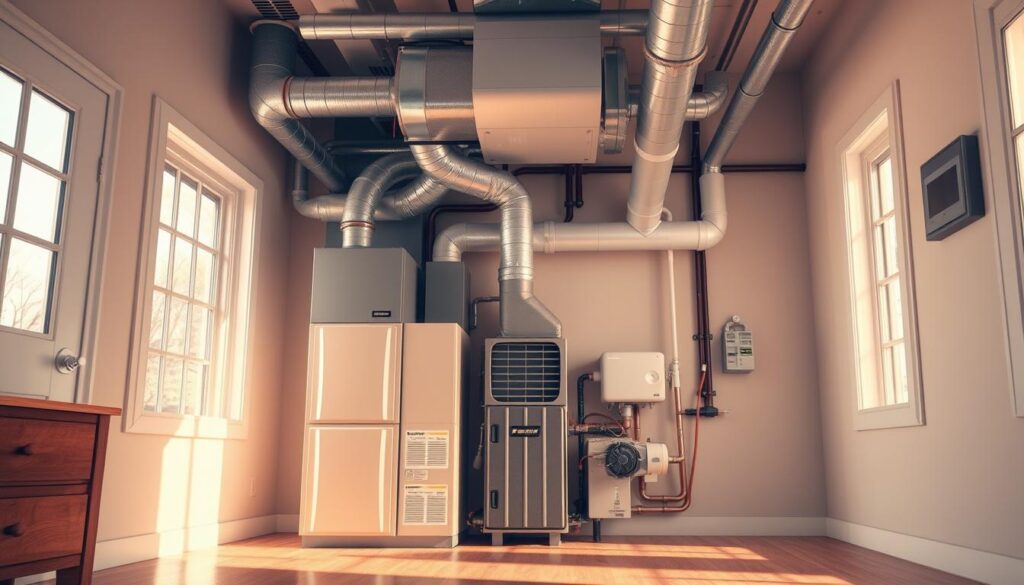
A well-maintained HVAC system uses 15-20% less energy than a neglected one. This saves homeowners hundreds of dollars a year on bills.
Checking Air Filters
Air filters are key during spring preparation. Dirty filters block airflow and make systems less efficient. They also let dust and debris spread in our homes.
We should replace all air and water filters before starting the cooling system. Clean filters improve air quality and help our equipment run better. Good filtration keeps our family healthy and protects our HVAC investment.
When putting in new filters, make sure they fit right. Filters that don’t fit well let unfiltered air through. This makes filters useless.
| Filter Type | Efficiency Rating | Replacement Frequency | Best For |
|---|---|---|---|
| Basic Fiberglass | MERV 1-4 | Every 30 days | Basic dust protection |
| Pleated Cotton | MERV 5-8 | Every 60-90 days | Standard home use |
| High-Efficiency Pleated | MERV 9-12 | Every 90 days | Allergy sufferers |
| HEPA Filters | MERV 13-16 | Every 6-12 months | Maximum filtration |
Inspecting Air Conditioning Units
Our outdoor air conditioning units need special care after winter. These spring tips help avoid system failures in the hot months. Start by cleaning debris from around the unit.
Leaves and branches can block airflow and harm parts. We need at least two feet of space around the unit. This ensures good airflow and easy access for maintenance.
Before turning on our system, check that indoor temperatures are at least 55 degrees. Starting air conditioning in cold weather can damage the compressor. Also, make sure all vents are open and clear.
Check electrical connections after winter weather. Loose connections can cause problems or safety risks. Look for any damage or wear on refrigerant lines too.
These important spring tips help us smoothly switch from heating to cooling. Proper HVAC maintenance now saves money and keeps us cool all summer.
Plumbing Preparations
Fixing our plumbing takes time and careful steps. Water damage can be very expensive. So, we focus on plumbing prep in our spring maintenance tips.
Fixing water systems needs a careful plan. Rushing can lead to damage or leaks. We take slow steps to protect our plumbing.
“An ounce of prevention is worth a pound of cure, when it comes to plumbing systems after winter.”
We start by closing all supply valves. Then, we open the main valve slowly. We make quarter turns every 10-15 seconds. This helps us avoid shocking the system and spot problems early.
Preventing Frozen Pipe Issues
Even without obvious freezing, we check our home’s water lines. Hidden damage can happen in unseen areas. We inspect every water line, joint, and connection.
We remove aerators from faucets before turning on water. This lets debris or buildup drain. It prevents clogs and damage to our fixtures.
The table below shows our step-by-step plumbing fix:
| Step | Action Required | Time Frame | Warning Signs |
|---|---|---|---|
| 1 | Close all supply valves | 5 minutes | Valves won’t turn or are already open |
| 2 | Remove faucet aerators | 10 minutes | Corroded or damaged threads |
| 3 | Open main valve gradually | 15-20 minutes | Water hammer or unusual sounds |
| 4 | Check for leaks systematically | 30 minutes | Water stains or dripping sounds |
We remove air from our water lines. Air pockets can cause problems. Each faucet should run until water flows smoothly.
Checking Hose Bibs and Sprinklers
Exterior water fixtures are at high risk in winter. Hose bibs and sprinkler systems need extra care. They’re exposed to extreme temperatures.
We test hose bibs for cracks or leaks. Even small cracks can cause big water loss. We turn each valve slowly and watch for leaks.
Our sprinkler system also needs careful checks. We look for broken heads, cracked pipes, or damaged valves. Prevention costs less than emergency repairs when we find problems early.
This careful approach helps us find and fix problems before they get worse. We protect our home from expensive water damage and keep our plumbing working well all season.
Exterior Inspections
After months of winter, our home’s outside needs a close look. Snow, ice, and cold can harm our home’s defenses. A detailed check of the outside is key to spring home care and spotting problems early.
We should start from the top when inspecting the outside. This way, we don’t miss any winter damage.
Roof and Shingles Condition
Our roof takes the brunt of winter. It’s vital to inspect it first. Heavy snow can stress the roof and cause hidden damage.
Missing or damaged shingles are clear signs of winter harm. Look for shingles that are cracked, curled, or gone. Shingles losing granules also show they’re aging or damaged.
Focus on these roof spots:
- Chimney flashing and shingles around it
- Vent openings and boot seals
- Valleys where water gathers
- Gutters and downspout links
- Ridge and hip areas
Ice dams can severely damage roof edges and valleys. Look for water stains on roof overhangs, signs of ice dam damage.
Foundations and Siding Checks
The freeze-thaw cycle can harm our home’s foundation and siding. Water freezing and expanding can create cracks and gaps. We should walk around our home to find these issues early.
Foundation cracks need quick attention, more so if they’re new or bigger. Small cracks might be normal, but big ones or those letting water in need a pro’s look.
For siding, check:
- Loose or missing siding pieces
- Cracks around windows and doors
- Gaps where siding meets the foundation
- Warped or buckled siding panels
- Peeling paint or stain exposing wood
Water damage shows as dark stains, soft spots, or spongy areas. These signs mean moisture has gotten in and needs fixing.
Window and Door Seals
Sealing windows and doors well is key for energy saving and stopping water damage. Winter can damage caulk and weatherstripping, letting in cold air and water.
Examine all weatherstripping around doors and windows. Look for signs of damage or separation. Good weatherstripping should seal well when doors and windows are closed.
Caulk needs careful checking. Focus on these areas:
- Window sills and frames
- Door frames and thresholds
- Where siding meets trim
- Around exterior light fixtures
- Deck and patio connections
Replacing damaged seals is a simple DIY job. New caulk and weatherstripping save energy and prevent water damage.
Professional spring home care might be needed for roof or foundation issues. But, many tasks are DIY-friendly. Regular checks and quick fixes keep our home’s outside in top shape all year.
Lawn and Garden Readiness
Winter is ending, and it’s time to get our outdoor spaces ready for spring. Our lawns and gardens have been through tough weather. They need our help to get ready for the new growing season.
To get our gardens ready for spring, we need to check the soil and plan our planting. We also need to make sure our tools are in good shape.
Assessing Soil Conditions
Winter weather can hurt our soil. Snow and foot traffic can make it hard for roots to grow. We need to find these problem spots first.
Testing our soil’s pH level is key. Most plants do best in slightly acidic to neutral soil. Simple soil test kits from garden centers give us quick answers.
Places where water pooled need better drainage. Adding compost or aged manure helps. It makes the soil better and gives plants the nutrients they need.
Healthy soil is the base of a great garden. Without good soil, even the best plants won’t do well.
Planting Seasonal Flowers
Knowing our local climate helps us pick the right flowers. We must wait until after the last frost to plant some flowers outside.
Cool-season flowers like pansies and snapdragons can handle a little frost. They’re good choices for early spring. But warm-season flowers need warmer soil.
Planning our garden layouts now saves time. We should think about how big the plants will get, how much sun they need, and when they’ll bloom.
| Flower Type | Planting Time | Soil Temperature | Frost Tolerance |
|---|---|---|---|
| Pansies | Early Spring | 45-50°F | Light Frost |
| Marigolds | After Last Frost | 60-65°F | None |
| Petunias | Late Spring | 60-70°F | None |
| Sweet Alyssum | Early Spring | 50-55°F | Light Frost |
Preparing Garden Tools
Our garden tools have been stored away and need a good check before we start using them. Proper tool maintenance helps plants and keeps us safe.
Cleaning tools gets rid of dirt and diseases. We should scrub metal with steel wool and oil it to stop rust.
Sharp tools make cleaner cuts that heal faster. Pruning shears, shovels, and hoes all need sharpening or filing.
Replacing old handles and broken tools now saves us trouble later. We should also make sure all parts move well and oil them if needed.
Spring prep is more than just cleaning. Organizing our tools makes gardening easier all season.
Interior Maintenance Tasks
Spring maintenance is not just for the outside. It also includes important checks inside our homes. These checks help keep our air clean and our safety systems ready. After being closed up all winter, our homes need a good look to find any problems.
Winter’s tight seal can lead to mold and bad air. We need to find and fix any moisture spots. And make sure our safety devices are ready to go.
Check for Mold and Moisture
First, we look for moisture spots in our homes. Places like basements, bathrooms, and near windows are common trouble spots. We should watch for visible mold, musty smells, and color changes that mean moisture is a problem.
Windows, walls, and pipes get wet from indoor and outdoor air differences. This task helps us find and fix these issues before they get worse. We should check behind furniture, in closets, and near plumbing for hidden moisture.
Be extra careful in places with bad air or high humidity. Fixing moisture problems fast stops damage and keeps our air clean. If we find mold, clean it up with the right solution. For big problems, get help from a pro.
Inspecting Smoke and CO Detectors
Our safety devices are our first defense against danger. We must test each smoke and carbon monoxide detector to make sure they work right. This is a key spring maintenance task that could save lives.
Change the batteries in all safety devices, even if they seem to be working. Many detectors warn us when the batteries are low. But we shouldn’t wait for that. New batteries mean they’ll work all year.
Check the expiration dates on all safety gear, like smoke detectors, carbon monoxide detectors, and fire extinguishers. Many people don’t know that smoke detectors need to be replaced every 10 years, even if they look good.
| Safety Device | Testing Frequency | Battery Replacement | Replacement Timeline |
|---|---|---|---|
| Smoke Detector | Monthly | Annually | Every 10 years |
| Carbon Monoxide Detector | Monthly | Annually | Every 5-7 years |
| Fire Extinguisher | Monthly visual check | Not applicable | Every 10-12 years |
| Emergency Flashlight | Quarterly | As needed | When damaged |
We should also check our emergency plan during this time. Everyone in our family needs to know what to do when alarms go off. Practice getting out and pick meeting spots outside our home for safety.
These tasks make our homes safer and healthier for the rest of the year. By fixing moisture problems and checking our safety systems, we protect our homes and our families.
Safety and Security Measures
Spring brings more activity to our homes. It’s key to check that all safety and security measures work well. After winter, our systems might have been disrupted by power outages or cold weather. A good spring checklist should include safety and security checks to keep our homes safe.
Winter storms can damage our home security. Door and window sensors might be off, cameras need cleaning, and monitoring services might need updates. Also, safety devices like fire extinguishers and carbon monoxide detectors need checks.
Testing Security Systems
Our security systems need careful testing to work right. Start by checking the main control panel for errors or warning lights. Many homeowners find issues from storms or power outages when they test everything in spring.
Test each sensor by opening and closing doors and windows while the system is on test mode. Check motion detectors by walking through their areas. Clean camera lenses and make sure they see all entry points.
Call your monitoring service to check your emergency contact info. This often shows outdated numbers or addresses that can slow down help. Make sure your system’s backup battery is charged and replace it if needed.
Safety devices also need attention in spring. Check fire extinguisher pressure and know how to use it. Test carbon monoxide and LP gas detectors by pressing their test buttons. Planning for safety early helps us smoothly move into spring and summer.
Inspecting Locks and Deadbolts
Checking locks is more than just making sure keys fit. Winter weather can make door frames shift, affecting locks. Look at strike plates to make sure they’re securely fastened and bolts lock fully.
Try all keys in their locks, including spare keys. If locks are hard to turn, use graphite or lock lubricant. If keys were lost or service people came in, you might need to rekey locks.
Look for signs of damage on door frames and weather stripping. Damaged seals can hurt security and energy use. This thorough approach covers both immediate needs and long-term security.
| Security Component | Testing Method | Common Issues | Maintenance Frequency |
|---|---|---|---|
| Door/Window Sensors | Open/close while armed | Connectivity loss, battery depletion | Monthly testing |
| Motion Detectors | Walk through detection zones | Range reduction, false alarms | Quarterly cleaning |
| Security Cameras | Check video quality and angles | Lens obstruction, connection issues | Monthly inspection |
| Control Panel | Review error messages and status | Communication failures, low battery | Weekly monitoring |
| Deadbolt Locks | Test key operation and alignment | Frame shifting, key wear | Seasonal inspection |
Good security measures give us peace of mind and protect our homes. Regular checks and maintenance keep our systems working all year, making sure we’re safe when we need it most.
Garage and Storage Spaces
Spring is the best time to clean out our garages and storage areas. They often get cluttered during winter. Let’s turn these spaces into useful areas for the warmer months.
Creating systems that work all year is key to organizing the garage. We should make sure our things are easy to get to and safe. Proper organization saves time and reduces stress when we need things fast.
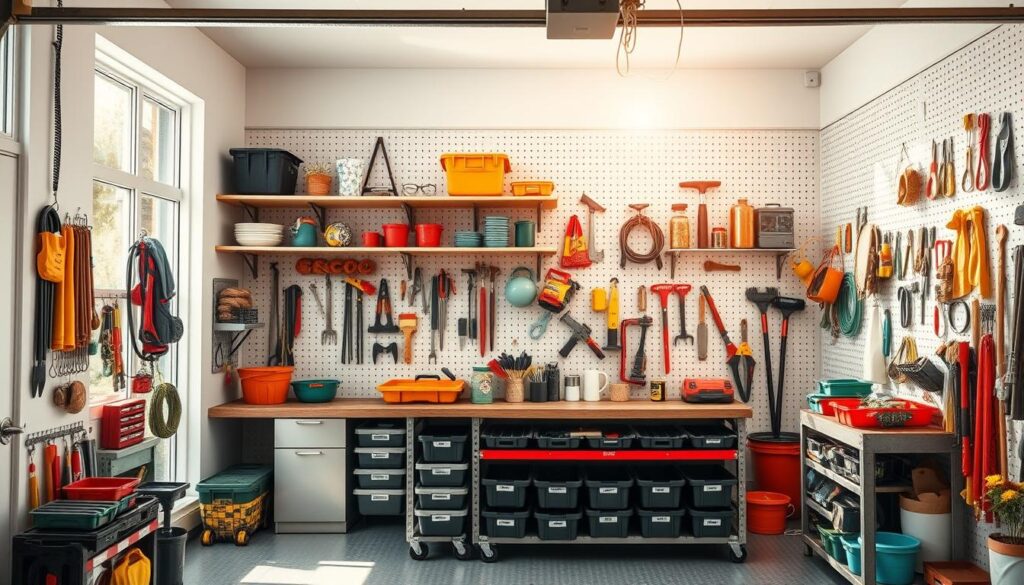
Organizing Seasonal Gear
Switching from winter to spring gear needs planning. We should put away winter items and get out our lawn gear. This is a good time to check if anything needs fixing or replacing.
Before storing away clothes, make sure they are clean. Seasonal clothing should be clean and ready for use before we pack it away. Organizing items into zones helps keep things tidy all year.
Here are some effective spring tips for seasonal gear organization:
- Group similar items together in clearly labeled containers
- Store frequently used items at eye level for easy access
- Use vertical wall space for tools and equipment
- Keep seasonal decorations in weatherproof bins
Checking Garage Doors
Garage doors work hard all year and need our attention in spring. We should test the opener and check the door’s balance. A properly functioning garage door protects our vehicles and stored items from weather and security threats.
Inspect springs and cables for wear or damage. Never try to fix these parts yourself. A pro can ensure our doors work safely and well.
Weather stripping around garage doors should be checked and replaced often. Damaged stripping lets in moisture, pests, and debris. New stripping keeps our spaces dry and energy-efficient.
| Garage Door Component | Inspection Frequency | Common Issues | Maintenance Action |
|---|---|---|---|
| Automatic Opener | Monthly | Remote malfunction, motor strain | Test operation, replace batteries |
| Springs and Cables | Quarterly | Fraying, rust, tension loss | Professional inspection required |
| Weather Stripping | Seasonally | Cracking, gaps, deterioration | Replace damaged sections |
| Door Balance | Bi-annually | Uneven movement, binding | Professional adjustment needed |
Regularly lubricating parts keeps our garage doors running smoothly. Use the right lubricant on hinges, rollers, and tracks. These simple steps help our garage doors last longer and avoid expensive fixes.
Preparing Your Deck or Patio
Spring home care is not just for indoors. Our decks and patios are important too. They’re where we make memories with loved ones. After winter, they need our care to look good and be safe.
Winter can damage our outdoor spaces a lot. Freeze-thaw cycles stress materials. Moisture and debris hide in hard spots. Fixing these areas early saves money and makes our spaces welcoming.
Cleaning and Staining Wood Surfaces
Wood needs special care after winter. First, remove all furniture and decorations. This lets us clean every part of our deck or patio.
Power washing gets rid of dirt and mildew. Be careful not to damage the wood. Let it dry for 24-48 hours before treating it.
Staining keeps wood safe from sun and water. Pick the right stain for our wood and weather. Timing is key – wait for dry weather. Apply stain in thin, even layers.
Inspecting for Damage
Checking for damage is important. Look for rot, warping, or loose fasteners on deck boards. Check areas where water might collect or snow was heavy.
Railings and balusters must be stable. Test them gently to make sure they’re secure. Loose railings are a big safety risk and need fixing fast.
Underneath decks often show damage first. Look for sagging joists or pest damage. If you find big problems, get a pro to check it out.
| Inspection Area | What to Check | Warning Signs | Action Required |
|---|---|---|---|
| Deck Boards | Surface condition, fasteners | Soft spots, loose nails, cracks | Replace damaged boards |
| Railings | Stability, connections | Wobbling, loose posts | Tighten or replace hardware |
| Support Structure | Joists, beams, posts | Sagging, rot, insect damage | Professional assessment |
| Hardware | Screws, bolts, brackets | Rust, corrosion, missing pieces | Replace with galvanized hardware |
Doing these tasks gets our outdoor spaces ready for spring and summer. Regular care keeps them safe and beautiful for fun times.
Deep Cleaning for Spring
Our homes need a deep clean after months of closed windows. Spring cleaning tackles dust, allergens, and odors built up inside. This is more than just regular cleaning.
This deep cleaning boosts our indoor air quality. Clean homes are healthier and better for our well-being. We’re getting our homes ready for spring and summer.
Dusting and Vacuuming Common Areas
We often miss details in regular cleaning. Baseboards, ceiling fans, and light fixtures get dusty in winter. Areas behind furniture also collect debris when we’re indoors more.
Our vacuum should get into cabinets to remove dust. Clean air vents and replace filters if needed. This detail makes a big difference in our home’s freshness.
Wash windows and screens with warm soapy water. Fans and air conditioning units need cleaning too. Clean light switches, door handles, and other germ-prone areas.
Don’t forget to wash and replace linens and towels. Fresh bedding and towels make our homes feel new again.
Deep Cleaning Carpets and Upholstery
Cleaning carpets and upholstery isn’t just surface work after winter. We’re getting rid of embedded dirt, allergens, and odors. This deep cleaning needs more effort than usual.
Professional cleaning might be needed for some items. But, we can do a lot with rental equipment or good cleaning products. Cleaning well is worth it for better air and longer-lasting furniture.
Check if carpets or upholstery need repair or replacement. Spring is a good time to fix worn spots. Fresh fabrics make our homes look and feel better.
Steam cleaning gets rid of allergens that vacuuming can’t. Make sure things dry well, as drying time can be long. Proper cleaning keeps our furniture and air healthy.
Seasonal Home Improvements
Spring is the perfect time for home improvement projects. The weather is warmer, and the days are longer. This makes it great for both indoor and outdoor work.
Many of us plan our projects during winter. Now, it’s time to start. Spring preparation means making a plan and knowing what we can do.

Planning for Home Projects
Good home improvement starts with smart planning. We need to make a list of what we want to do. Safety and comfort should come first.
Weather affects when we can do certain projects. Painting and deck work are best when it’s dry. Interior work is easier when it’s not too hot or cold.
Here’s how to plan well:
- Assess skill requirements – Know what we can do ourselves and what needs a pro
- Research permits – Check local codes and get approvals before starting
- Schedule contractors early – Spring is busy, so book early
- Order materials promptly – Some items take a long time to arrive
Contractors get busy fast in spring. We should book them early. Getting quotes helps us find the best deal.
Budgeting for Upgrades
Good budgeting is key. We need to know what’s essential and what’s nice to have. This helps us spend wisely.
Spring is a good time for sales. Look for deals on outdoor stuff and building materials.
Here are some budget tips:
- Set realistic spending limits – Add extra for surprises
- Prioritize return on investment – Choose projects that add value
- Compare DIY versus professional costs – Think about our skills and time
- Research financing options – Look into loans or credit if needed
The best projects meet our needs now and in the future. Kitchen and bathroom updates are good. So are energy-saving changes. Careful planning and budgeting make our projects worth it.
Final Thoughts on De-Winterizing
Spring preparation is more than just cleaning up. It’s an investment in our homes and our family’s comfort. The steps we’ve talked about help keep our homes safe, efficient, and peaceful all year.
Recap of Essential Checks
We’ve covered all the key areas of home care. From HVAC tune-ups to plumbing checks, these steps avoid expensive repairs later. Exterior and interior checks keep our homes safe and healthy.
Garden prep and safety system tests are also important. They make sure our homes run smoothly all the time.
Maintaining Your Home Year-Round
Home care is not just for spring. Regular checks and watching for system changes are key. Ignoring small issues can lead to big problems.
Getting help from experts is smart when we’re unsure. It’s cheaper than fixing big mistakes. By following these steps and keeping up with our homes, we make our living spaces comfortable and efficient all year.