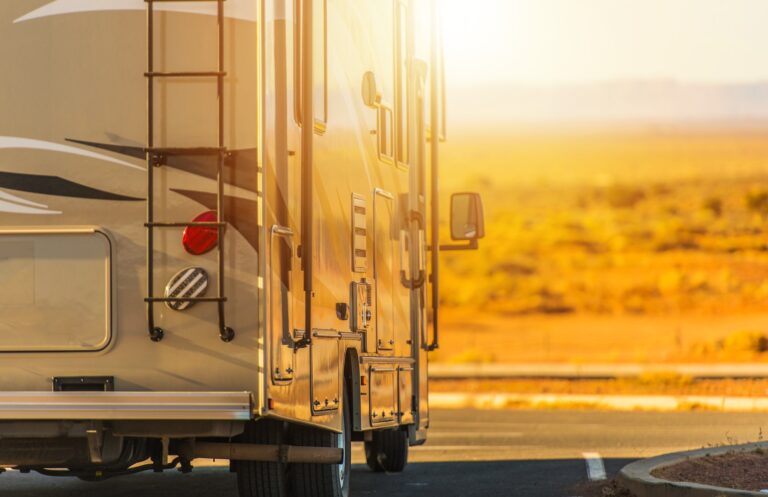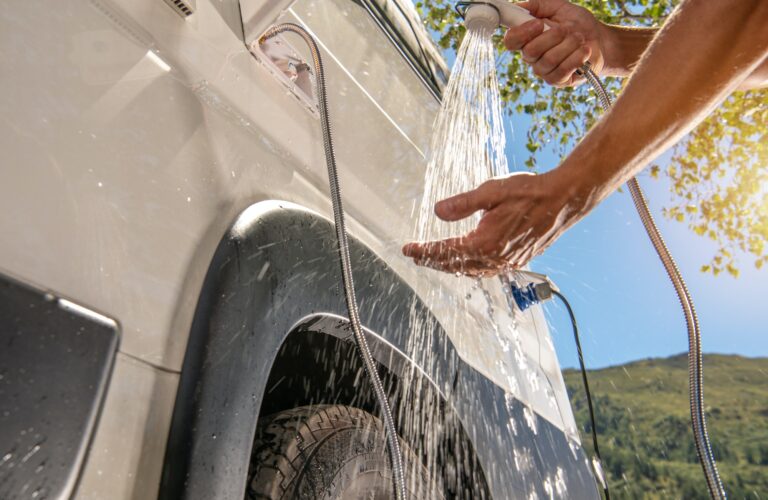
Welcome to the world of off-grid camping! Free camping lets you enjoy nature your way. It means no hookups for electricity, water, or sewer.
At first, it might seem scary. What if we run out of power? How do we get fresh water? We’ve been there too.
But wilderness camping is full of adventures. You’ll find hidden gems across America that few see. Places like desert sunsets and mountain meadows are both beautiful and safe for beginners.
We’ve found the best spots for newcomers. Our guide shows accessible locations with nearby amenities. This helps you build confidence and get help if needed.
Key Takeaways
- Free camping allows RV adventures without hookups or crowded campgrounds
- Beginner-friendly spots offer safety features and nearby amenities
- Desert Southwest and Midwest forests provide excellent starting locations
- Proper preparation makes off-grid camping both safe and rewarding
- Hidden gems across America offer solitude without sacrificing security
- Building confidence starts with choosing accessible wilderness areas
What is Boondocking?
Boondocking is a camping style that’s gaining fans. It’s about camping without hookups or facilities. This means no water, electricity, sewer, or bathrooms.
Off-grid camping offers freedom but needs prep and knowledge. Let’s dive into what boondocking is and why it’s popular.
Definition and Overview
Boondocking, or dry camping, means camping without hookups. It’s about camping in the wild, without modern comforts. It’s important to know the difference.
Dry camping can be in campgrounds without services. But true boondocking is in undeveloped areas. These spots are in national forests and public lands.
The main difference is the setting. Dry camping is in campgrounds without amenities. Boondocking is in wild, untouched places. Knowing this helps plan your trip.
Benefits of Boondocking
Boondocking is loved for many reasons. It’s not just about saving money, though that’s a big plus.
Cost savings are a big draw. Many spots are free, letting you camp longer without spending much. We’ve saved a lot by choosing boondocking over campgrounds.
The pristine environments are stunning. You get views and experiences not found in crowded places. We’ve seen amazing sunrises and slept under stars without city lights.
- Complete solitude and peaceful surroundings
- Freedom to choose your perfect camping spot
- Access to untouched natural beauty
- Opportunity to disconnect from technology
- Enhanced connection with nature
The peaceful solitude is a game-changer. Being away from city noise lets you relax and reflect more. It’s a chance to truly connect with nature.
These essential tips for beginner boondockers highlight the freedom. You can camp anywhere, from lakes to overlooks. Boondocking changes how you see the outdoors.
Essential Gear for Beginners
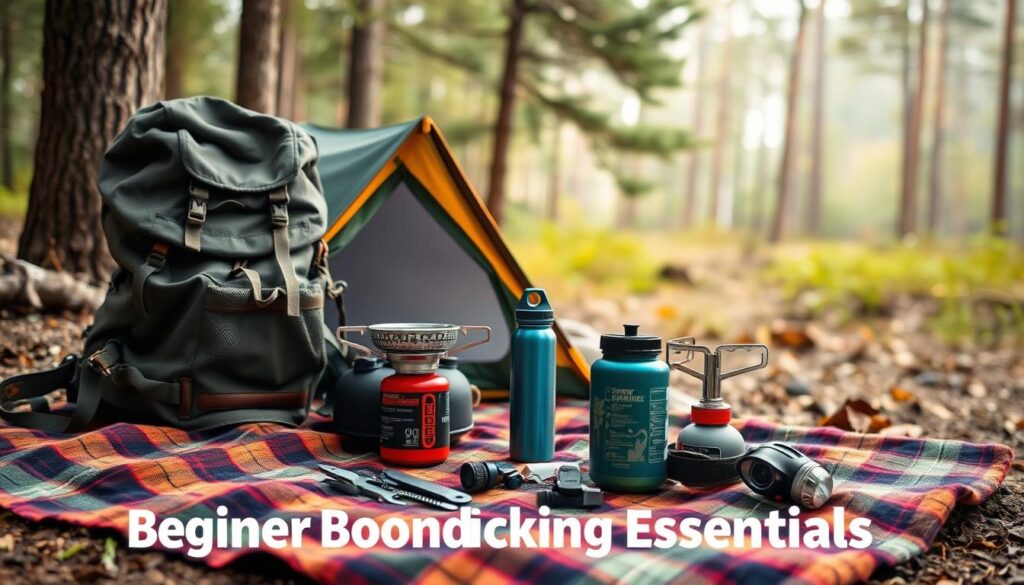
Choosing the right gear is key for a great boondocking trip. The right stuff makes tough spots easier. Beginner boondocking essentials are affordable but cover the basics like water, power, and safety.
Starting with good gear boosts your confidence. Focus on three main areas: water, power, and safety.
Must-Have Camping Equipment
Water management is top on our list. Fill your water tank fully before you leave. Bring extra water for drinking to save tank water for cooking and cleaning.
Power planning is also vital. We try not to use our generator too much. Instead, we use solar panels and a big battery pack.
A good portable power station keeps your devices running without noise. Solar panels charge your gear for long stays. These are great investments for a better camping experience.
Tools for Navigation
The Campendium app is our top pick for finding best boondocking spots for first-timers. It has lots of info on campsites and reviews.
Physical maps are also key. Cell service can drop in remote areas. We always carry paper maps.
A separate GPS unit is a must. Phone GPS can fail. Standalone GPS units are vital for safety.
Safety Gear
A good first aid kit is a must for emergencies. Include meds, bandages, and pain relievers. Emergency communication devices like satellite communicators offer extra safety.
Flashlights and extra batteries are a must for nighttime. A tool kit helps with repairs. Don’t forget a shovel for waste and a fire extinguisher.
Emergency food is important for unexpected delays. Start with these basics and add more as you learn what you need.
Top Boondocking Destinations in the West
The American West is a top pick for beginner’s guide to boondocking destinations. It has a big advantage. You can camp on US Forest Service or Bureau of Land Management (BLM) land, as long as it’s not marked.
This leads to tons of dry camping opportunities across public lands. The West has more options than other parts of the country. It’s great for beginners who want choices and flexibility.
Desert Adventures Near Joshua Tree
Near Joshua Tree National Park, we found amazing dispersed camping spots on BLM land. These spots offer stunning desert views and easy hiking trails. You can camp among Joshua trees and enjoy dark night skies in Southern California.
This area is beginner-friendly. The terrain is flat, and roads are easy to get to. Plus, Twentynine Palms is nearby for supplies.
Here are the key benefits of Joshua Tree area boondocking:
- Free camping opportunities on BLM land
- Incredible stargazing with minimal light pollution
- Easy access to hiking trails and rock formations
- Nearby town for emergencies and supplies
Coastal Beauty Along Oregon’s Shore
Along the Oregon Coast, we found amazing boondocking spots in the Siuslaw National Forest. These spots offer breathtaking ocean views and access to pristine beaches. The climate is comfortable all year.
The forest roads are well-maintained and good for most RVs. This makes it easy for newcomers. You don’t need special equipment or driving skills.
Oregon Coast boondocking advantages include:
- Year-round comfortable weather conditions
- Ocean views and beach access
- Well-maintained forest service roads
- Abundant wildlife viewing opportunities
These western destinations are perfect for newcomers. They offer stunning natural beauty, easy camping spots, and nearby amenities. The West has lots of BLM and Forest Service land. This means you can find the perfect spot for your comfort level and experience.
Best Boondocking Spots in the Southwest
The Southwest has towering canyon walls and red rock spires. It’s a place for unforgettable boondocking adventures. It’s known for being a top spot for must-visit boondocking sites for beginners in the country.
The climate is mild, and the forest roads are well-kept. This makes it perfect for new boondockers. You’ll find campsites that are easy to get to and suitable for all RV sizes. Plus, you’re close to places to buy supplies and get help if you need it.
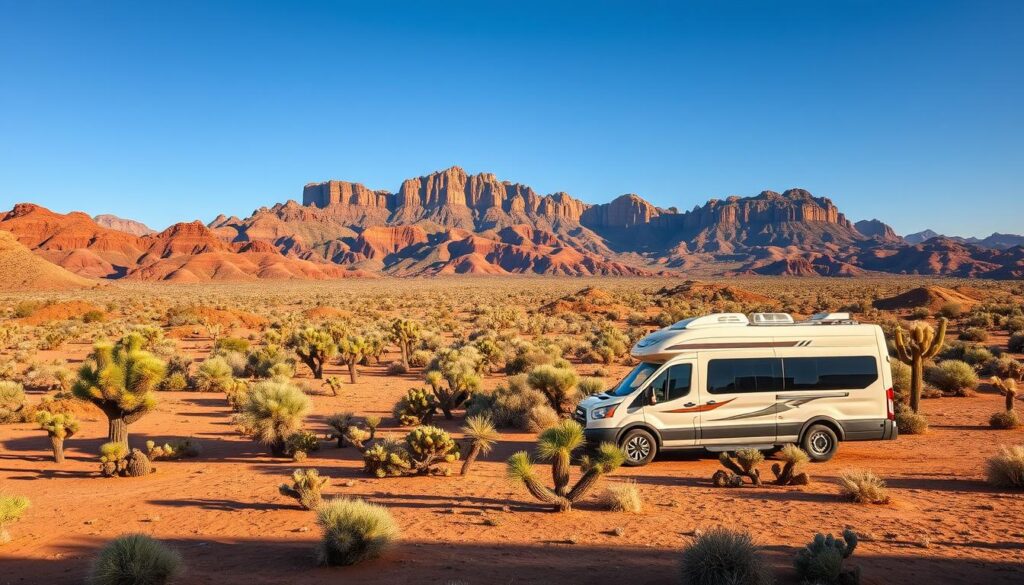
Like our amazing time near Great Sand Dunes National Park, the Southwest offers great value. We saved $50 a night and enjoyed amazing views and quiet. It’s a place where budget-friendly camping meets incredible scenery.
The Majestic Grand Canyon
The Grand Canyon area has some of the best must-visit boondocking sites for beginners. Kaibab National Forest has many free camping spots on both the South and North Rim sides.
These spots have many benefits:
- Level sites perfect for RVs and tent camping
- Stunning views of ponderosa pine forests
- Close proximity to visitor centers and supply stores
- Easy access to hiking trails and scenic overlooks
Forest Road 328 is a favorite of ours. It’s close to Grand Canyon Village. Even in summer, the elevation keeps it cool. You’re never far from facilities and trails.
Sedona’s Stunning Red Rocks
Coconino National Forest around Sedona is a top must-visit boondocking sites for beginners. The red rock formations are breathtaking.
Our top picks in Sedona offer amazing sunrise and sunset views. Hiking trails start right at your campsite. You can see famous spots like Bell Rock and Cathedral Rock. The elevation keeps it comfortable all year.
The forest roads are well-kept, making it easy for RVs. The scenery is stunning, making it a camping experience like no other.
These spots offer natural beauty and practical benefits. You save money and enjoy premium views and peace. Sedona’s amenities are close by, so you can easily get what you need.
Hidden Gems in the Midwest
The Midwest is full of secrets for new campers. It has unique advantages for beginners who want to learn before going further. The area is safe and easy to navigate, thanks to its good roads and reliable services.
The Midwest might not have as much public land as the West. But, we found amazing spots for beginners. They offer great experiences and safety for those new to boondocking.
Quiet Spots in the Upper Peninsula of Michigan
Michigan’s Upper Peninsula is great for beginners. The Ottawa and Hiawatha National Forests have many camping spots. They have good roads and cell phone service.
These forests have beautiful lakes, waterfalls, and woods. They are perfect for a peaceful camp. What makes these locations special is their close distance to towns. You can easily get supplies or help if needed.
The Pictured Rocks National Lakeshore area is a must-see. It has campsites with stunning views of Lake Superior. The area offers:
- Well-maintained access roads for most RVs and trailers
- Many freshwater sources from springs and streams
- Emergency services not too far away
- Local communities ready to share tips
Scenic Locations in Wisconsin
Wisconsin’s Chequamegon-Nicolet National Forest is perfect for boondocking. It’s along Lake Superior’s shores. These spots have natural beauty and safety features that newcomers like.
The forest’s campsites are easier to get to than some western places. This makes it great for beginners. You’re never more than an hour from a hospital.
Wisconsin is beautiful all year. Spring has wildflowers, and fall has colors. The camping community here is friendly. Experienced boondockers are happy to share their knowledge.
These Midwest spots show that successful boondocking doesn’t need to be far away. They are the perfect place for beginners. Here, they can learn and enjoy off-grid camping.
Boondocking on the East Coast
East Coast boondocking changes how we think about camping. It offers amazing coastal views. But, it needs more planning than the west.
East Coast camping has its own perks. You’ll camp near historic sites and enjoy all four seasons. This means beautiful fall leaves and quiet winters.
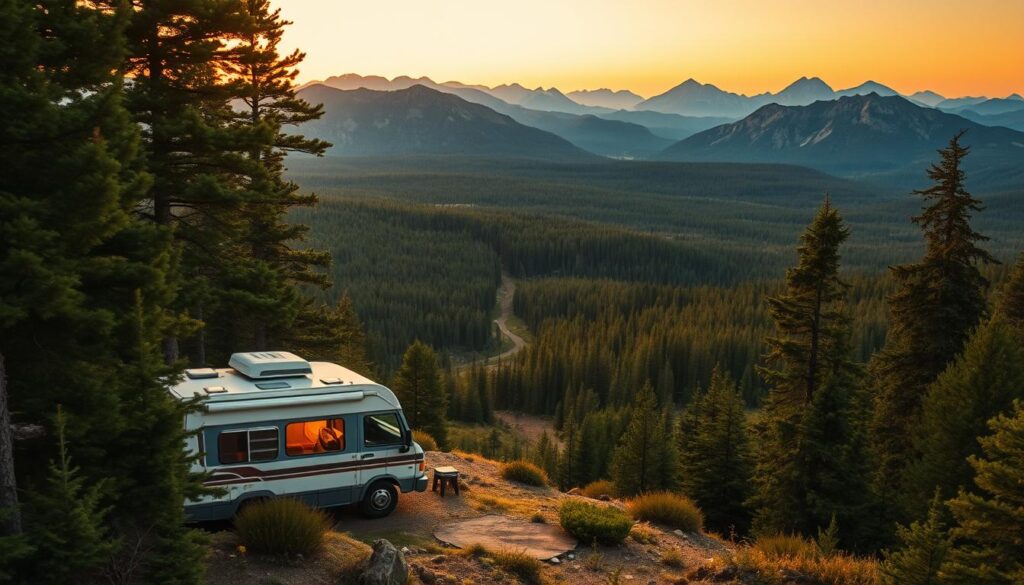
Eastern states are closer to towns. This makes them safer for new campers. Local people are friendly and share secret spots.
Wilderness Adventures in Maine
Maine has some of the best boondocking spots. You can find amazing views in the White Mountain National Forest. These spots are easy to get to, perfect for beginners.
New England towns are close by. You can get supplies and enjoy local culture. Fishing villages share the best camping spots. Acadia National Park’s vicinity is a highlight for coastal lovers.
Maine’s camping season is from spring to fall. The forests are great for wildlife watching and photography. We’ve seen moose, bears, and many birds.
Coastal Adventures in the Outer Banks
The Outer Banks offer a unique boondocking experience. You can camp near beaches and historic lighthouses. It’s a chance to see barrier island camping.
There’s great fishing, surfing, and beachcombing here. The lighthouses tell stories of the sea. Watching sunsets over the Atlantic is unforgettable.
The Outer Banks have a mild climate. Spring and fall are the best times to visit. Always check local camping rules before you go.
| Location | Best Season | Key Features | Difficulty Level |
|---|---|---|---|
| White Mountain National Forest | May – October | Mountain views, accessible roads | Beginner |
| Acadia National Park Area | June – September | Coastal wilderness, wildlife | Beginner |
| Outer Banks Beaches | April – November | Historic lighthouses, fishing | Intermediate |
| Cape Hatteras Area | March – October | Barrier islands, surfing | Intermediate |
East Coast boondocking needs more planning. But, it’s worth it for the history, ecosystems, and coastlines. The effort leads to incredible experiences you can’t find elsewhere.
Tips for Finding the Perfect Spot
Finding the perfect boondocking spot needs smart planning and the right tools. We’ve found that using modern tech and old-school research works best. Knowing where to look and understanding the rules is key.
Technology has made finding spots easier. We no longer rely on old guidebooks or word of mouth. Today’s apps and online tools give us real-time info, saving us hours.
Digital Tools and Mobile Apps
We love the Campendium app for finding camping spots. It has user reviews, photos, and road condition info. It also lists dump stations and other important amenities.
The FreeRoam app is great for dispersed camping on public lands. It shows where you can camp for free on federal lands.
For more tips, we use the iOverlander app. It has reviews from other travelers. It feels like getting advice from friends.
Google Earth is key for remote scouting. We check road conditions, terrain, and water sources before driving. It helps us avoid unsuitable spots.
Understanding Local Rules and Permits
Following local rules protects us and the environment. We always check with ranger stations before camping. Rules can change due to fire restrictions or seasonal closures.
Most public lands have a 14-day stay limit. Some areas have shorter limits. We check permit requirements ahead of time for popular spots. Don’t assume you can just camp anywhere.
Here are the key regulations we always verify:
- Length-of-stay limits for the specific area
- Fire restrictions and burn bans
- Vehicle size limitations on access roads
- Seasonal closures for wildlife protection
- Water source restrictions and usage rules
We always have backup plans ready. Our first choice might not be available. We have a Plan B location ready. This prevents disappointment and ensures we find a spot on time.
Start researching early and read recent reviews. The best spots often require extra effort. But finding that perfect secluded location is worth it.
Sustainability While Boondocking
We think it’s key to keep our favorite boondocking spots beautiful. Environmental stewardship is part of the boondocking way. It helps these places stay great for others to see and enjoy.
Our goal is to be green in every camping choice we make. We pick our campsite wisely and leave without harming nature. This way, we connect more with the outdoors.
Leave No Trace Principles
The Leave No Trace principles guide us in camping right. We camp on solid ground like rock or gravel. This avoids hurting plants.
We keep a safe distance from water and trails. This helps sensitive ecosystems and lets animals drink water freely.
Fire safety is very important to us. We use fire rings if we can and never make new ones. We make sure fires are out and scatter cold ashes.
Keeping wildlife safe is also key. We keep food and scented items in bear-proof containers. This keeps animals healthy and us safe.
Responsible Waste Disposal
Proper waste disposal means more than just our trash. We clean up after others too. This makes our spots cleaner than we found them.
Disposing of gray water needs care. We spread dish and shower water far from water sources. We use biodegradable soaps to help the environment. Never dump gray water near your campsite.
Black water disposal is strict. We never dump tanks on the ground. We use designated stations to protect water.
Water is precious to us. We take short showers and collect rainwater for non-drinking uses. Efficient water use helps us camp longer without harming the environment.
We’ve also got solar power and energy-saving gear. This cuts down on generator use. It’s quieter and better for the planet.
Safety Tips for First-Time Boondockers
When we go boondocking, safety is our main focus. Boondocking safety means planning and getting ready for adventures. We’ve learned how to stay safe in places far from help.
Boondocking’s beauty comes with challenges. Cell phones don’t work in many places. Weather can change fast, and help might be far away.
Emergency Preparedness
Emergency preparedness is key for safe boondocking. We always have a first aid kit ready. It has stuff for cuts, burns, and sprains, plus medicines and emergency numbers.
When phones don’t work, we use satellite communicators. These devices help us send messages and call for help, even in remote spots.
We tell someone where we’re going and when we’ll be back. This way, someone will look for us if we’re late. We also carry extra food, water, and warm clothes for emergencies.
Keeping our vehicle in good shape is important. We check it before we go and carry spare parts and tools. Knowing how to fix simple things helps us avoid getting stuck.
- Pack a complete first aid kit with medicines
- Carry satellite devices for emergencies
- Tell someone your plans and when you’ll return
- Bring extra food, water, and warm clothes
- Do vehicle checks before leaving
Wildlife Precautions
Wildlife precautions change with each place we visit. We learn about the animals and plan our safety steps. What works for bears in the east is different from mountain lion safety in the west.
Storing food right keeps animals away. We use bear-proof containers or keep food in our RV. A clean campsite without food scraps keeps animals safe.
We carry bear spray in areas with big predators. Understanding animal behavior helps us know how to react. We make noise to avoid surprising animals and stay quiet when needed.
Each animal needs its own safety plan. We know how to hang food in bear country and keep trash safe from raccoons. Knowing local wildlife helps us camp safely and respect the animals.
We plan our routes carefully, starting with easier places. We have backup plans for fuel, water, and supplies. Safety tips for first-time boondockers suggest starting simple and getting more experience.
Community and Resources for Boondockers
Connecting with other boondockers makes camping better. It turns solo trips into shared adventures. The boondocking community welcomes everyone with open arms and lots of advice.
Online Forums and Social Media Groups
Digital spaces are like virtual campfires. Facebook groups like “Boondocking USA” and “Free Camping” share updates on roads and weather. We also check Campendium for reviews and photos of campsites.
Reddit’s boondocking groups talk about gear and places to go. These online spots help us plan and solve problems before they start.
Local Meetups and Events
Meeting people in person makes lasting friends. The Quartzsite RV Show brings thousands of off-grid fans together each winter. Local rallies teach us about solar power, saving water, and picking campsites.
Informal meetups happen at popular spots too. Sharing campfires and coffee builds strong bonds. These friendships offer safety and help in emergencies.
Adventure is better when shared. Whether getting tips online or joining a campfire, these connections make every trip special.