Recently, RV sales have skyrocketed. More Americans are choosing nomadic living to explore our country. They love the freedom, adventure, and simple life it offers. But, experienced RVers know a key truth about this path.
Wade Thiel says many see full-time RVing as “weird or unacceptable”. This shows how our choices depend on personal preferences and situations. What’s great for one might not be right for another.
We think honest self-assessment is key when thinking about this big change. People have different needs, money situations, and comfort levels. It’s okay to decide if RV living is for you or not.
Key Takeaways
- RV sales have surged as more Americans explore nomadic living options
- Misconceptions about RV living often create negative perceptions among non-RVers
- Personal preferences and circumstances determine lifestyle compatibility
- Honest self-assessment is essential before making this major life change
- There’s no shame in choosing traditional housing over mobile living
- Different people have varying needs that may not suit RV living
Understanding the RV Lifestyle
RV living is more than what we see on social media. It changes how we live, our space, and our connection to places. Before we dive into the challenges, let’s see what draws people to it.
People choose RV living for freedom and control. They feel trapped by traditional homes. They want to change their view whenever they want.
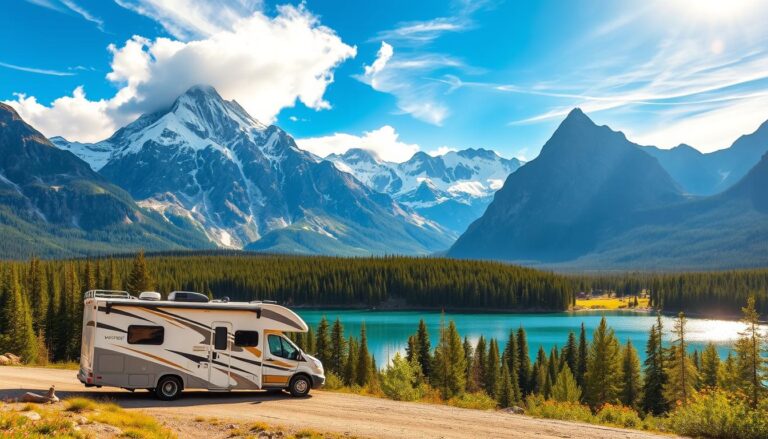
The Allure of the Open Road
RV travel offers endless possibilities. We can see mountains one week and oceans the next. It’s an adventure that traditional living can’t match.
Space is key in RVs. Partners have room for their interests. Friends and family can visit easily, making memories in new places.
RV living keeps traditional comforts like kitchens and bathrooms. It feels like home, no matter where we are.
Freedom vs. Stability
The big choice in RV living is freedom vs. stability. It offers freedom to explore and control our lives. We decide our pace and destinations.
But, this freedom means less stability. Some like routine and familiar places. Constant change can be tiring for them.
Some love change and adventure, while others need stability. Knowing yourself is key before choosing RV travel.
| Aspect | Freedom Benefits | Stability Challenges | Personal Fit |
|---|---|---|---|
| Location | Change scenery anytime | No permanent address | Adventure seekers vs. homebodies |
| Community | Meet diverse people | Difficulty maintaining relationships | Social butterflies vs. deep connections |
| Routine | Flexible daily schedule | Lack of predictable structure | Spontaneous vs. planners |
| Possessions | Minimalist living | Limited storage space | Minimalists vs. collectors |
Success in RV living comes from knowing yourself. It’s about embracing uncertainty and finding joy in discovery.
Common Misconceptions About RV Life
Many myths surround full-time RV living. These myths can lead to bad choices. It’s important to know the pros and cons of RV living to make a good decision.
Some think RVers don’t work. But, most RVers work online or travel for their jobs. The RV community includes many professionals who keep their jobs while traveling.
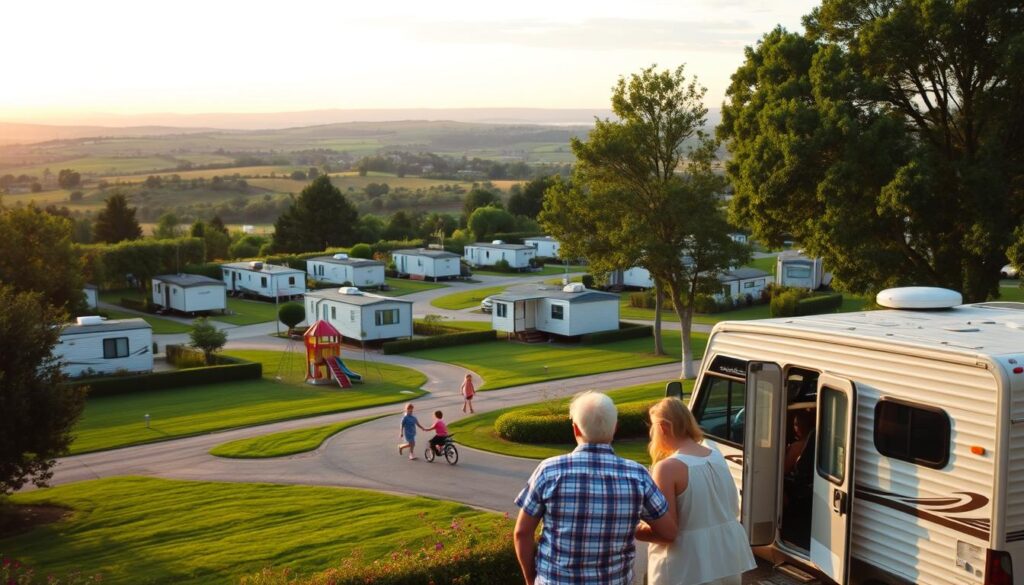
Let’s look at some common myths about RV life. These myths can lead to disappointment for new RVers.
It’s Always an Adventure
Social media shows beautiful sunsets, making it seem like RV life is always exciting. But, it’s not always a vacation.
Daily routines exist in RVs. You’ll do laundry, clean, and work. Finding places to shop for groceries can be hard.
RVs can have problems like broken water pumps. These issues can ruin a day. Weather, finding places to stay, and getting lost are also parts of RV life.
RV life has both exciting and boring moments. Some days are just about paperwork in a park.
You Save Money on Housing
Many think RVs save money on housing. But, it’s not true for everyone.
Buying an RV can cost from $20,000 to over $500,000. You also need to think about insurance, maintenance, and fuel.
Living in an RV can actually cost more than a house. Saving money in an RV needs careful planning and spending.
| Misconception | Reality | Financial Impact | Time Commitment |
|---|---|---|---|
| RV life is always adventurous | Includes routine tasks and challenges | Unexpected repair costs | Daily maintenance required |
| Automatic housing savings | Costs vary widely by lifestyle | Can exceed traditional housing | Constant budget monitoring |
| Complete freedom from responsibilities | Work and obligations continue | Income is necessary | Remote work scheduling |
| Simple, carefree lifestyle | Logistics and planning are complex | Research and preparation costs | Extensive trip planning |
Knowing the truth about RV life helps make better choices. The pros and cons of RV living are clearer when myths are separated from reality. This knowledge helps decide if RV life fits your plans and abilities.
The Financial Realities of RV Living
Before starting RV adventures, we must look at the financial side. Many dream of traveling without knowing the costs. RV living needs a big upfront payment and ongoing expenses that can quickly add up.
Knowing these costs helps answer if RV life is for you. We’ll go over the numbers so you can decide wisely about this big change.
Initial Purchase Costs
The cost of an RV varies a lot. Used RVs start at $10,000, while luxury ones cost hundreds of thousands.
RV financing is like a car loan. It makes starting your RV journey possible, even with little savings. Loans are usually 10 to 20 years long.
You’ll also need to buy important accessories. These include leveling blocks, water hoses, and safety gear. These can cost $2,000 to $5,000 extra.
Ongoing Expenses
RV living’s ongoing costs can surprise you. Campground fees are a big expense. They can get very high, even more so in peak season.
Daily costs for food, campsites, and gas vary a lot. Rural areas are cheaper, but tourist spots can cost $50 to $100 per night or more.
Fuel costs are also important. Towing a heavy RV lowers your gas mileage. You’ll need to budget for more frequent maintenance on your RV and tow vehicle.
Other ongoing costs include:
- RV insurance (typically $1,000 to $4,000 annually)
- Maintenance and repairs
- Propane refills
- Dump station fees
- Internet and communication costs
While RV adventures can be affordable with planning, you need to be financially ready. Many RVers suggest having at least $5,000 for emergencies and unexpected costs.
Lifestyle Changes Required for RV Living
Living in an RV means big changes in how we live and think. It’s not just about moving to a new place. We have to change how we see our stuff, space, and comfort.
Many people don’t realize how big of a change RV living is. RVs are tiny, with less than 400 square feet. So, we have to choose our belongings carefully, keeping only what’s truly important.
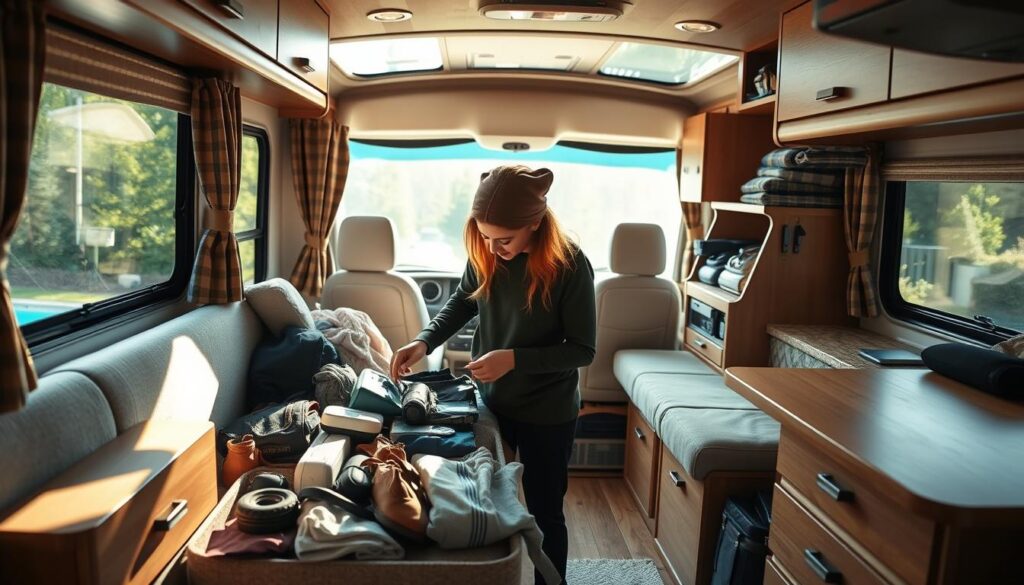
Downsizing Your Belongings
Downsizing is a big challenge in RV living. You will need so much less than you think you will. It’s hard when we sort through all our stuff.
We suggest the downsize, downsize, downsize method. Sort things into three groups: essentials, sentimental items, and everything else. Only keep essentials that we use often and can’t easily replace.
Kitchen items need special care when downsizing. RV kitchens have little storage and small appliances. Choose tools that can do many things, like a pot that can boil, steam, and sauté.
Many RV fans use the one-year rule. If we haven’t used something in a year, we probably don’t need it. This helps get rid of things we think are important but rarely use.
Adapting to Limited Space
Living in a small space is different from a big house. Small spaces get dirtier quicker. We need to clean more often and do it better.
Being organized is key in small spaces. Tidy up time is all the time in an RV. Every item needs a place, and we must put things back right away.
Adjusting to small spaces affects people differently. Some love the simple life and less work. Others feel trapped and miss separate rooms.
| Space Challenge | Traditional Home | RV Living | Adaptation Strategy |
|---|---|---|---|
| Storage Space | Multiple closets, attics, basements | Limited cabinets and compartments | Vertical storage, multi-purpose items |
| Privacy | Separate rooms for different activities | Open floor plan, shared spaces | Designated quiet times, outdoor spaces |
| Cleaning Time | Weekly deep cleaning sessions | Daily maintenance required | Quick daily routines, minimal possessions |
| Personal Space | Individual rooms and areas | Shared living in close quarters | Outdoor activities, scheduled alone time |
RV living is all about making big changes. If you like to have a lot of stuff, full-time RV living isn’t for you. Knowing this helps us decide if RV life fits our lifestyle.
Emotional and Psychological Challenges
Living in an RV can be emotionally tough, catching many off guard. It’s not just about downsizing and budgeting. The constant movement and small living spaces have a big impact. Understanding why RV life isn’t for everyone means seeing these emotional challenges beyond the pretty pictures.
People react differently to living on the move. Some love the change and new sights. Others find it hard without a steady routine and familiar places.
Loneliness on the Road
Many RVers make more friends than people in houses because they meet new people often. But, these friendships are different. They don’t last as long as those in one place.
It’s not hard to meet people. It’s keeping those friendships strong when you’re always moving. Surface-level friendships are common, not deep, lasting ones.
This loneliness is unique. You might know many people, but finding someone close in hard times is tough. Not having a steady support group can feel very isolating.
Coping with Constant Transitions
Life in an RV means making choices all the time. Where to park, which route to take, and when to move on. This decision fatigue can be too much for some.
The stress of always planning and adapting affects people differently:
- Routine-oriented individuals struggle with unpredictable schedules
- Introverts find little personal space draining
- People who need stability feel anxious about the unknown
- Those requiring community feel left out of meaningful connections
Managing personal space is key when you can’t have your own room. Couples need ways to handle conflicts and keep their identities in small spaces.
The truth is, RV life isn’t for everyone, and that’s perfectly okay. Seeing these emotional challenges doesn’t mean RV living is bad. It means knowing your emotional needs and if nomadic life fits them.
The Importance of Experience
Testing the RV lifestyle before you buy can save you a lot of money and stress. Many people sell their homes and buy expensive motorhomes, only to find out it’s not what they thought. It’s smarter to try it out first through rentals and trial periods.
Experts say it’s best to start slow when exploring RV living. This way, you can see what it’s really like without making big financial mistakes. You’ll learn what you’re comfortable with, how it affects your relationships, and what challenges you’ll face.
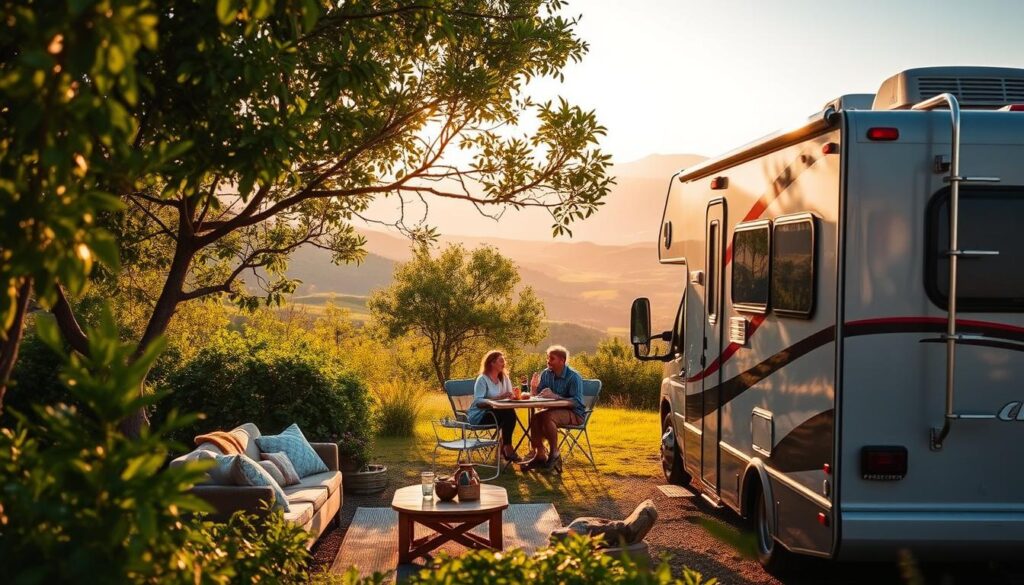
Trying Before You Commit
Starting with a weekend rental can give you a good idea of RV life. Try out basic things like cooking, sleeping, and driving. This will tell you if you like the small space and being close to others all the time.
After getting used to short trips, try a week-long adventure. Seven days on the road shows you more than weekend trips. You’ll learn about doing laundry, managing waste, and finding places to camp.
For the ultimate test, go on a month-long trip. This shows you the real deal of always moving, changing weather, and adjusting to RV living. Many couples find out they have issues that weren’t clear on shorter trips.
Even after deciding to live in an RV full-time, experts say to give yourself at least six months to adjust. This time helps you overcome initial problems and find ways to make life on the road work for you.
Popular RV Rental Options
Today, you can rent many different RVs to see what fits you best. Traditional companies offer well-kept RVs with help, while peer-to-peer sites have unique RVs at lower prices. Each has its own benefits, depending on what you’re looking for.
RVshare and Outdoorsy are top for peer-to-peer rentals. They let you rent from owners, who often have special RVs. These owners can give you tips and local info to make your trip better.
Companies like Cruise America and El Monte RV have standard RVs with insurance and help anytime. They have places all over, so you can rent one-way for longer trips.
| Rental Type | Average Daily Cost | Best For | Key Benefits |
|---|---|---|---|
| Peer-to-Peer Platforms | $75-150 | Unique experiences | Lower costs, owner insights, variety |
| Traditional Rental Companies | $100-200 | First-time renters | Reliability, support, insurance |
| Luxury RV Rentals | $200-400 | High-end testing | Premium amenities, full service |
| Local Dealership Rentals | $80-120 | Specific model testing | Purchase credits, model familiarity |
Local dealerships also rent out RVs, and you can use the rental fee towards buying one. This is great if you’ve picked a model or brand you like. You’ll get to try it out before buying.
Rental experiences are helpful but don’t fully show what full-time RV lifestyle is like. You won’t deal with maintenance, long-term storage, or the mental changes of always moving. But, they do give you a good idea of space, comfort, and how things work, which helps you decide.
Considerations for Families
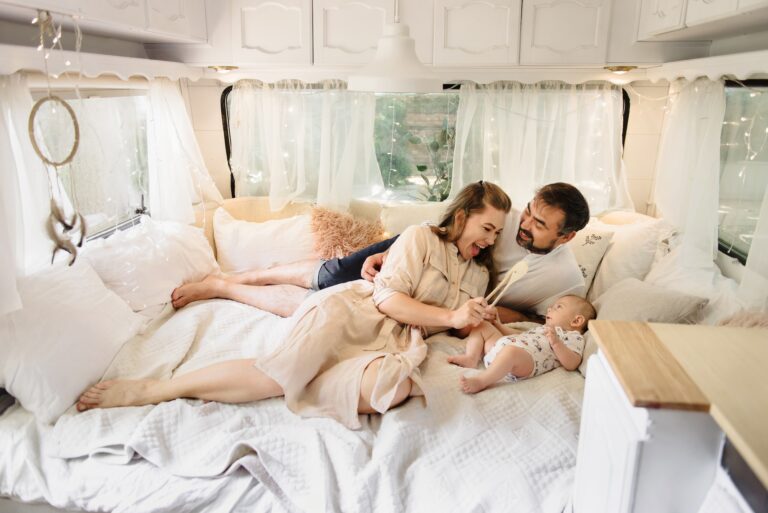
Deciding to live or travel in an RV is harder when kids are involved. Family dynamics change a lot in an RV’s small space. What works for couples or solo travelers might not fit family life.
We must think if our kids can handle RV life. And if we’re ready for the special challenges of RV travel as a family.
Many families dream of traveling together. But it needs careful planning and realistic hopes. The @wherewildonesroam family went full-time RVing in 2018. They did it with lots of prep and slow getting used to it.
Space Constraints with Kids
Living in an RV with kids means every inch counts. We have to think about where everyone sleeps, where toys and clothes go, and where kids can play. A big RV for two can feel tiny with kids’ stuff and energy.
Kids need room to play, study, and sometimes be alone. Creating separate areas in the RV is key for peace. We also have to think about noise and privacy, as kids grow and want more space.
Setting up and taking down the RV is harder with kids. As one family said, “Adding a toddler and a dog makes it really tiring.” Even simple tasks like hooking up utilities or leveling the RV get complicated with kids around.
Education on the Road
Keeping up with school is a big worry for families on the road. We need good internet for online learning, a place for homework, and educational resources. Homeschooling is common, but it takes a lot of work from parents.
Finding friends and activities is tough when we’re always moving. Traditional friendships and sports might be hard to keep up. But, the RV community can offer new friends. Kids often surprise us by adapting well, but we must look for social chances.
Every state has different rules for homeschooling. We have to know these laws and keep records. Some families move to states with easier homeschooling rules. Keeping up with records is key for homeschooling on the road.
Success in RV travel with kids depends on knowing if they can adapt. And if we’re ready to make it work. While some families love RV life, others find it too hard.
Health and Safety Factors
Thinking about RV life means looking at health and safety first. These are key parts of your well-being and safety on the road.
RV living is different from staying in one place. You might face challenges where help is far away and resources are scarce.
Access to Medical Care
Getting medical care when you’re always moving is hard. Finding doctors who know your health needs can be tough, even in rural areas where many RV adventures happen.
Those with ongoing health issues face big challenges. Getting prescriptions, lab tests, and seeing specialists needs careful planning. Emergency medical situations are stressful when you don’t know local hospitals.
Telemedicine helps with some health needs. But, you often need to be there for tests and emergency care.
Safety Concerns While Traveling
Staying safe and keeping your RV safe are big worries for RV travelers. You need to think about your safety and your RV’s safety in new places.
Many RV owners use safety gear to feel safer. The right gear can make your travels safer and less stressful.
| Safety Category | Essential Equipment | Purpose | Priority Level |
|---|---|---|---|
| Personal Protection | Wasp spray, firearms (for licensed carriers) | Self-defense and pest control | High |
| Medical Emergency | First aid kit, emergency medications | Immediate medical response | Critical |
| Security Systems | Home security camera, motion sensing lights | Theft prevention and monitoring | Medium |
| Fire Safety | Fire extinguishers, smoke detectors | Fire prevention and suppression | Critical |
| Intrusion Prevention | Alarm system, door reinforcements | Unauthorized entry prevention | Medium |
Finding RV repair experts and medical specialists in remote areas is hard. This affects both your RV and health needs.
For those with mobility issues or serious health problems, RV living might not be safe. Honest self-assessment of your health and safety is key before starting RV life.
Alternatives to Full-Time RV Life
Full-time RV living isn’t the only way to enjoy freedom and adventure. Many find partial RV experiences perfect for balance. These options let you enjoy RV life without a permanent change.
The @wherewildonesroam family started part-time RVing on weekends. They then moved to full-time living. This gradual step helps people find what works for them. Part-time RVing offers flexibility and keeps your regular routines.
Weekend Getaways
Weekend RV trips are a great start to embracing RV life. You can explore nearby places while keeping your job and home. This lets you try different RVs and camping styles.
Weekend adventures help you find your camping preferences. Families use this to see if RV living is right for them. You’ll learn important skills like setting up and maintaining your RV.
Popular spots for weekend trips include state parks and national forests. These trips let you experience RV life in a manageable way.
Seasonal RV Camping
Seasonal camping offers longer RV stays during good weather. Many work seasonal jobs and travel the rest of the year. This creates a mix of RV living and traditional housing.
Snowbird communities are a big part of seasonal RVing. People move south to escape cold winters and return home for warmer months. This way, you enjoy RV life without being on the road all year.
Some prefer longer stays at campgrounds over constant travel. These stays help you build communities and explore areas deeply. Seasonal RVing reduces travel stress while giving you more outdoor time.
| RV Alternative | Time Commitment | Cost Level | Best For |
|---|---|---|---|
| Weekend Getaways | 2-3 days monthly | Low to Moderate | Testing RV lifestyle |
| Seasonal Camping | 3-6 months yearly | Moderate | Extended experiences |
| Monthly Stays | 1-3 months per trip | Moderate to High | Regional exploration |
| Workamping | Seasonal employment | Low (often paid) | Working while traveling |
These alternatives show you don’t need to sell everything to enjoy RV life. Each option has its own benefits, fitting different lifestyles and needs.
Embracing the Journey: It’s Not for Everyone
We’ve looked at many sides of RV living, from money matters to lifestyle changes. The truth is simple: RV living isn’t for everyone. Some love the open road, while others prefer traditional homes.
Recognizing What Works for You
As one expert said, “If this lifestyle was easy, everyone would do it. That means there will be challenges.” The important thing is to know yourself well. Think about what the worst could be.
Maybe you’ll find RV living isn’t for you. You might sell your RV and go back to a house. That’s okay, right?
We suggest you think about what you really need. Your health, family, money, and comfort with change are all important. It’s okay if RV living doesn’t fit your life or values.
Finding Your Own Adventure
Some people might think full-time RVing is crazy, even after hearing its benefits. That’s okay – it’s not for them. Adventure and happiness come in many ways.
Weekend camping, seasonal RV stays, or local exploration can be exciting. You don’t need to change your whole life for fun.
Why RV Life Isn’t for Everyone And That’s Okay is clear when we value our differences. Pick what really fits your life, not what social media says you should want.
FAQ
Is RV life really as adventurous as it looks on social media?
Does RV living automatically save money compared to traditional housing?
FAQ
Is RV life really as adventurous as it looks on social media?
RV life is rewarding but not always exciting. It has daily tasks like laundry and grocery shopping. You also have to deal with maintenance and work.
It’s key to know what RV living really means. It’s not just about the fun parts.
Does RV living automatically save money compared to traditional housing?
Saving money in an RV isn’t guaranteed. You might save on rent but face other costs. These include the RV itself, campsite fees, and insurance.
Monthly costs can be
FAQ
Is RV life really as adventurous as it looks on social media?
RV life is rewarding but not always exciting. It has daily tasks like laundry and grocery shopping. You also have to deal with maintenance and work.
It’s key to know what RV living really means. It’s not just about the fun parts.
Does RV living automatically save money compared to traditional housing?
Saving money in an RV isn’t guaranteed. You might save on rent but face other costs. These include the RV itself, campsite fees, and insurance.
Monthly costs can be $1,000-$3,000+. Your spending habits and travel style matter. Always make a budget before starting.
How do families with children manage education while RVing?
Families often homeschool or use online schools. You need good internet and a dedicated learning area. It’s also important to keep a routine.
Some families love this flexibility. Others find it hard to keep up with school and social needs. Think about your kids’ needs before starting.
What if I have ongoing medical needs – can I stil live the RV life?
Medical care is harder to get in an RV, for ongoing conditions. You need to plan visits and manage meds. It might limit where you can go.
Talk to your doctors before trying RV life. They can help you understand the challenges.
Should I test RV living before committing fully?
Yes, definitely try it out first. Start with short trips and gradually get longer. This helps you see if RV life is right for you.
Testing it out lets you find out what works for you. It’s better than making a big change without trying.
How do I know if I’m suited for the constant transitions of RV life?
Think about how you handle change. Some people love it, while others prefer routine. RV life means always being on the move.
It’s important to be flexible and able to solve problems. If you get stressed by change, RV life might not be for you.
What are some alternatives if full-time RV life isn’t right for me?
There are many ways to enjoy RVs without living in one full-time. Try weekend trips or seasonal camping. Workamping or renting RVs for trips can also be great options.
These choices let you enjoy RV travel without giving up your home. They offer flexibility and adventure.
How much space do I really have in an RV, and will my family be comfortable?
RVs are small, with less than 400 square feet. Downsizing and adapting are key. Space for kids can be a big challenge.
Some families adjust well, while others find it hard. Think about your family’s needs and how you’ll manage space.
Is it normal to feel lonely while RVing?
Feeling lonely on the road is common. You’ll meet people, but making lasting friends is hard. The RV community is welcoming, but it’s not the same as staying in one place.
If you value close relationships, RV life might be tough. Think about how you’ll keep in touch with friends and family.
What should I focus on during my RV trial period?
Pay attention to how you feel about driving and living in a small space. Notice how you handle daily tasks and unexpected problems.
It’s important to see if you truly enjoy RV life. Be honest with yourself about your feelings. This will help you make the right choice.
,000-,000+. Your spending habits and travel style matter. Always make a budget before starting.
How do families with children manage education while RVing?
Families often homeschool or use online schools. You need good internet and a dedicated learning area. It’s also important to keep a routine.
Some families love this flexibility. Others find it hard to keep up with school and social needs. Think about your kids’ needs before starting.
What if I have ongoing medical needs – can I stil live the RV life?
Medical care is harder to get in an RV, for ongoing conditions. You need to plan visits and manage meds. It might limit where you can go.
Talk to your doctors before trying RV life. They can help you understand the challenges.
Should I test RV living before committing fully?
Yes, definitely try it out first. Start with short trips and gradually get longer. This helps you see if RV life is right for you.
Testing it out lets you find out what works for you. It’s better than making a big change without trying.
How do I know if I’m suited for the constant transitions of RV life?
Think about how you handle change. Some people love it, while others prefer routine. RV life means always being on the move.
It’s important to be flexible and able to solve problems. If you get stressed by change, RV life might not be for you.
What are some alternatives if full-time RV life isn’t right for me?
There are many ways to enjoy RVs without living in one full-time. Try weekend trips or seasonal camping. Workamping or renting RVs for trips can also be great options.
These choices let you enjoy RV travel without giving up your home. They offer flexibility and adventure.
How much space do I really have in an RV, and will my family be comfortable?
RVs are small, with less than 400 square feet. Downsizing and adapting are key. Space for kids can be a big challenge.
Some families adjust well, while others find it hard. Think about your family’s needs and how you’ll manage space.
Is it normal to feel lonely while RVing?
Feeling lonely on the road is common. You’ll meet people, but making lasting friends is hard. The RV community is welcoming, but it’s not the same as staying in one place.
If you value close relationships, RV life might be tough. Think about how you’ll keep in touch with friends and family.
What should I focus on during my RV trial period?
Pay attention to how you feel about driving and living in a small space. Notice how you handle daily tasks and unexpected problems.
It’s important to see if you truly enjoy RV life. Be honest with yourself about your feelings. This will help you make the right choice.