Welcome to the amazing world of recreational vehicle adventures! We’re excited to share our RV Life 101 guide with you. It’s for aspiring road warriors like yourself.
The motorhome lifestyle offers incredible freedom. Imagine waking up to mountain views one day and ocean sunsets the next. It brings home comforts wherever you go.
But, successful road trips need proper preparation. Experts Mark and Dawn Polk from RV Education 101 say start with smaller rigs. They suggest weekend getaways to master RV living essentials first.
Maintenance knowledge is key for safe travels. We’ll cover basic practices for a smooth transition. Whether you’re planning occasional escapes or full-time nomadic living, our guide has you covered.
Key Takeaways
- Start with smaller recreational vehicles and weekend trips before upgrading to larger rigs
- Master essential maintenance routines to ensure safe and reliable travels
- Proper preparation and vehicle understanding are key for successful adventures
- Expert guidance helps avoid common beginner mistakes
- The motorhome lifestyle offers unparalleled freedom to explore diverse destinations
- Weekend getaways provide excellent practice before committing to full-time living
1. Understanding RV Types
Recreational vehicles come in many types, each suited for different travelers. Choosing the right one depends on your travel style, budget, and comfort needs. Knowing the differences will help you find the perfect RV for your adventures.
Mark Polk from RV Education 101 says to start with smaller RVs. He advises asking new RVers “how they would use their RV” to find the best fit. This way, you avoid costly mistakes and have a positive first RV experience.
Motorhomes vs. Trailers
RV types mainly differ between motorhomes and trailers. Motorhomes are self-propelled units that combine your vehicle and living space into one. They offer convenience and simplicity by letting you drive and live in the same unit.
Trailers need a separate tow vehicle. This setup lets you unhitch your RV at the campsite. Many RVers like this for day trips and grocery runs.
Motorhomes are great for easy highway stops. You can access your living area while traveling. But, safety rules require you to stay seated while moving. Trailers save on fuel and maintenance costs, as you don’t have to maintain an engine in your living space.
Class A, B, and C Explained
Motorhomes come in three categories, each for different needs and budgets. Understanding these classifications helps you narrow down your options effectively.
Class A motorhomes are the largest and most luxurious. They’re like buses with full kitchens, spacious bathrooms, and multiple sleeping areas. They range from 30 to 45 feet and offer the most comfortable living experience.
Class B motorhomes, or camper vans, are compact and efficient. They’re great for couples or solo travelers who value mobility over space. They’re easier to drive and can access smaller campgrounds that larger RVs cannot reach.
Class C motorhomes offer a balance between luxury and practicality. They have a cab-over sleeping area and are 20 to 31 feet long. These units are often recommended for families starting their RV journey.
| RV Type | Length Range | Best For | Key Features | Price Range |
|---|---|---|---|---|
| Class A Motorhome | 30-45 feet | Full-time living, luxury travel | Maximum space, high-end amenities | $100,000-$500,000+ |
| Class B Motorhome | 17-24 feet | Couples, solo travelers | Easy driving, fuel efficient | $60,000-$200,000 |
| Class C Motorhome | 20-31 feet | Families, first-time buyers | Cab-over bed, good value | $60,000-$150,000 |
| Travel Trailer | 12-35 feet | Weekend trips, seasonal camping | Unhitch capability, lower cost | $15,000-$80,000 |
| Fifth Wheel | 25-40 feet | Extended stays, spacious living | Stable towing, residential feel | $30,000-$150,000 |
Your choice should match how often you’ll move and your experience with large vehicles. Think about whether you prefer to tow a vehicle behind your motorhome or use a separate tow vehicle with a trailer.
These RV tips suggest starting with what fits your current needs. You can always upgrade as your experience and preferences change. Remember, bigger isn’t always better when you’re learning RV living.
2. Essential RV Features to Consider
Before buying an RV, check the key systems for living inside. These features help your mobile home meet your needs on long trips. Every RV travel guide says the right amenities make camping a luxury adventure.
RVs have kitchens, bathrooms, beds, living areas, and climate control. Some even have washers, dryers, and entertainment systems. Choose features that fit your travel style and group size.
Kitchen Appliances
The kitchen is the heart of your RV. Most have a three-way refrigerator for flexibility. This keeps food fresh, whether boondocking or using campground utilities.
Stovetops have two to four burners. Many RVs have convection ovens that also microwave. Counter space is key, so look for enough prep areas and cutting board extensions.
Storage is vital for long trips. Camper life tips advise counting cabinet doors and drawers. Some RVs have pantry areas for dry goods and canned items.
Bathroom Facilities
RV bathrooms range from small wet baths to large facilities with separate showers. Wet baths save space but get everything wet. They’re great for small units.
Larger RVs have dry baths with separate showers. These offer more comfort but need more space. Think about your daily needs and comfort when choosing a bathroom layout.
Water capacity affects your bathroom use. Fresh water tanks hold 20-100 gallons. Gray water tanks collect shower and sink water. Black water tanks handle toilet waste and need regular cleaning.
Sleeping Arrangements
Sleeping setups vary widely in RVs. Master bedrooms in big units have queen or king-size beds with storage. Some beds have hidden storage underneath.
Convertible furniture saves space. Dinettes turn into beds, and sofas have pull-out sections. These are good for couples but might be tight for families.
Families should look at bunk bed setups or units with separate sleeping areas. Some RVs have slide-outs to expand bedroom space. These camper life tips are key for trips with kids or multiple adults.
| Feature Category | Compact RVs | Mid-Size RVs | Large RVs | Luxury RVs |
|---|---|---|---|---|
| Kitchen Appliances | 2-burner stove, small fridge, microwave | 3-burner stove, standard fridge, oven/microwave combo | 4-burner stove, large fridge, separate oven and microwave | Full kitchen suite, residential appliances, dishwasher |
| Bathroom Type | Wet bath or cassette toilet | Dry bath with shower | Full bathroom with tub/shower | Master bath with separate shower and tub |
| Sleeping Capacity | 2-4 people, convertible furniture | 4-6 people, dedicated bedroom | 6-8 people, multiple sleeping areas | 8+ people, private bedrooms with en-suite baths |
| Climate Control | Basic furnace and roof AC | Ducted heating and cooling | Dual-zone climate control | Multi-zone systems with smart controls |
Features like slide-outs add living space when parked. They create more room for dining, bedrooms, or living areas. But they add complexity and maintenance needs.
Climate control systems keep you comfortable all year. Most RVs have propane furnaces and rooftop air conditioners. Larger units might have ducted systems for even air distribution.
Every feature adds weight, complexity, and maintenance needs. This RV travel guide helps balance comfort with practicality for your travel plans.
3. Preparing for Your First RV Trip
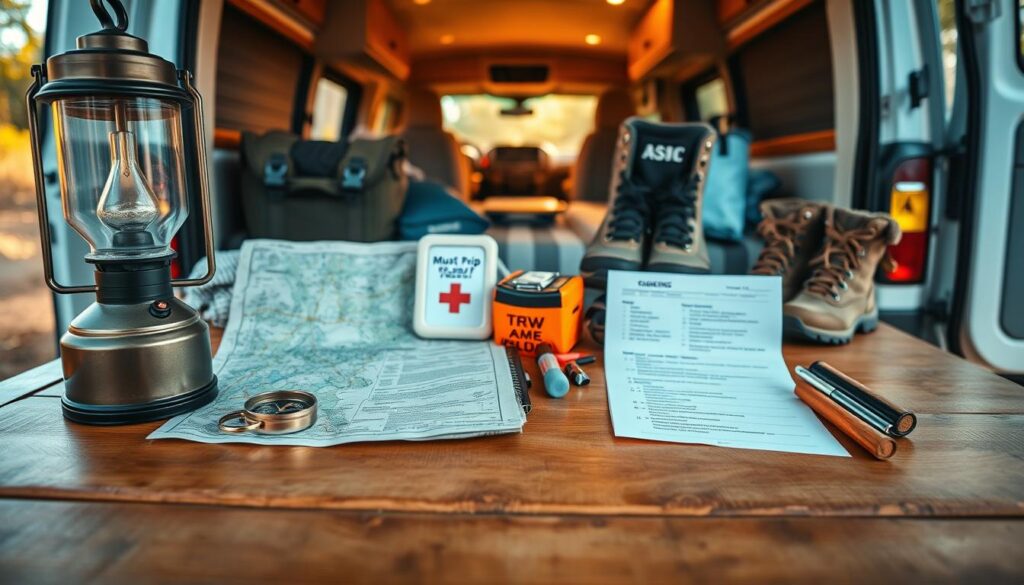
Your first RV trip starts with smart planning. This sets the stage for a memorable journey. We’ve found that three key things matter: picking the right place, planning your route well, and doing a full pre-trip check. These RV lifestyle hacks help you avoid mistakes and enjoy your first trip.
Getting ready is where many RV newbies either succeed or face challenges. Start planning at least two months before you leave. This time lets you research, make reservations, and fix any issues.
Choosing Your Destination
Your first trip should be to a place you’re comfortable with and your RV can handle. Start with places within a 300-mile radius of home. This distance is far enough to feel like an RV trip but not too far.
Think about these when picking your first place:
- RV-friendly campgrounds for beginners
- Paved roads and easy grades
- Medical and grocery stores nearby
- Things to do that fit your interests and fitness
Popular spots get booked fast, even more so in peak times. Book your campsite five months in advance for the best spots. This tip is one of the best RV lifestyle hacks we can share.
Planning Your Route
Planning your RV route is different from car travel. You need to think about your RV’s size and weight. Regular GPS systems don’t consider these, leading to bad roads.
Key things to plan include:
- RV-specific GPS systems or apps
- Fuel stops every 200-250 miles
- Rest breaks every two hours
- Weather and road closures
Limit your daily drive to 300 miles or 5-6 hours. This lets you arrive feeling fresh and ready to enjoy your stay.
Pre-Trip Checklist
A good pre-trip checklist stops most RV problems and keeps you safe. We’ve made our checklist from years of experience and advice from full-time RV living folks.
Safety and mechanical checks:
- Tire pressure and tread check
- Brake system test
- Working lights and signals
- Hitch and safety chains secure (for trailers)
Systems verification:
- Electrical system and battery check
- Plumbing and water pump test
- Propane system leak check and tank levels
- Air conditioning and heating tests
Make sure everything inside your RV is secure. We learned this the hard way when dishes flew in our first sharp turn. Everything that can move will move when driving, so stow all belongings well.
Also, have all important documents like registration, insurance, and campsite confirmations. We keep digital copies on our phones as a backup. This has saved us many times when physical documents were lost.
4. RV Maintenance Basics
Keeping your RV in top shape is easy when you know the basics. Maintenance is key to protect your investment and ensure safe travels. We’ll show you how to tackle important tasks.
Your RV has many systems working together. It’s like a mobile home with mobile plumbing, electrical, and mechanical parts. Most maintenance tasks are simple once you know what to look for.
Regular Checks
Make a routine inspection schedule a habit. Weekly checks include tire pressure, exterior lights, and fluid levels. These steps prevent big problems later.
Your roof is vital for weather protection. Check for cracks, loose seals, or damaged vents during each check. Water damage is costly and often avoidable with regular roof care.
Test your electrical system monthly. Check outlets, lights, and battery condition. Also, check your propane system for leaks with soapy water. Safety always comes first with gas systems.
Don’t overlook your RV’s unique systems. Empty and clean your black and gray water tanks often. Test your fresh water pump and look for plumbing leaks. These van life essentials keep your home on wheels running well.
Seasonal Maintenance Tips
Seasonal changes need special maintenance. Spring preparation includes de-winterizing plumbing and checking for winter damage. Summer maintenance focuses on cooling systems and tire care in hot weather.
Fall preparation is about winterizing if you store your RV. This protects plumbing from freeze damage and saves your investment. If unsure, get professional winterization.
Generator maintenance is key all year but more in storage. Exercise your generator monthly even when not traveling. This prevents fuel system issues and keeps seals moist.
Battery care changes with the seasons and storage. Cold weather lowers battery capacity, while hot weather can damage it. Regular charging and proper storage extend battery life.
| Maintenance Task | Frequency | Season Priority | Difficulty Level |
|---|---|---|---|
| Tire Pressure Check | Weekly | All Seasons | Easy |
| Roof Inspection | Monthly | Spring/Fall | Moderate |
| Generator Exercise | Monthly | Winter Storage | Easy |
| Plumbing Winterization | Annually | Fall | Moderate |
| Battery Maintenance | Quarterly | Winter/Summer | Easy |
Keep detailed maintenance records to stay organized and maintain resale value. Apps like RV LIFE Maintenance send reminders for tasks. Preventive maintenance saves money and reduces travel stress.
These van life essentials get easier with practice. Start with simple tasks and build your skills. Your future self will appreciate the effort in RV care.
5. Packing Like a Pro
Smart packing makes RV living comfy. We’ve learned to pack right for many trips. It’s about knowing what you need and what you don’t.
Packing well means thinking about weight, easy access, and space. Each item should do more than one thing.
Must-Have RV Gear
Your RV living essentials are key to a good trip. Always pack electrical adapters, extra hoses, and a water pressure regulator. These prevent trip-stopping problems.
Don’t forget safety first. A good first aid kit, fire extinguisher, and emergency supplies are must-haves. A tool kit with duct tape, zip ties, and multi-tools is also essential.
For the kitchen, choose versatile and durable items. Non-breakable dishes, space-saving cookware, and multi-use appliances are best. A sharp knife, cutting board, and can opener are must-haves.
“The secret to RV packing is not bringing everything you own, but bringing everything you need in the most efficient way possible.”
| Category | Essential Items | Storage Location | Weight Priority |
|---|---|---|---|
| Safety Equipment | First aid kit, fire extinguisher, emergency supplies | Easily accessible compartments | High |
| Kitchen Basics | Non-breakable dishes, versatile cookware, sharp knife | Kitchen cabinets, secure storage | Medium |
| Maintenance Tools | Basic tool kit, duct tape, electrical adapters | External storage compartments | Medium |
| Personal Items | Clothing, toiletries, medications | Bedroom and bathroom storage | Low |
Space-Saving Packing Techniques
Maximize storage with smart packing. Use vacuum-sealed bags for clothes to save space. Stackable containers are great for pantry items.
Even weight is key for safe towing. Pack heavy items low and centered. This improves stability and reduces sway.
Make designated spaces for often-used items. Keep a list of where things are. This saves time and reduces frustration.
Multi-purpose items are RV friends. A cutting board that’s also a serving tray, or storage ottomans that are also seats, save space and boost functionality.
6. Staying Safe on the Road
RV safety is more than just driving carefully. It’s about being ready and aware. Follow these RV lifestyle tips to keep you and your family safe on your travels.
Start being safe before you even drive. Know what your RV can and can’t do. Weather, traffic, and planning your route are all key to staying safe.
Mastering RV Operation
Driving an RV is different from driving a car. You need to think about its size and weight. Always give yourself more space for turns and stops.
Practice driving your RV in empty lots before hitting busy roads. Get used to your mirrors and blind spots. Take your time – rushing can cause accidents.
Wind can be a big challenge for RV drivers. It can push your vehicle off course. Slow down in windy weather and hold on tight. If it gets too bad, stop and wait for it to pass.
Backing up with a trailer takes patience and practice. Always check your mirrors and have someone help if you can. Remember, the trailer’s wheels move differently than your vehicle. These tips can save you from big mistakes.
Building Your Emergency Response Plan
Being ready for emergencies is what sets experienced RVers apart. Plan for things like breakdowns, bad weather, and medical issues. Being prepared can save lives and reduce stress.
Every RV should have safety gear like fire extinguishers and smoke detectors. Test these items often and replace batteries when needed. Know where your emergency exits are.
Make an emergency kit that fits your travel style. Include water, food, tools, and ways to communicate. Weather radios are important for updates in bad weather. Keep important papers in waterproof bags.
Learn to quickly turn off your RV’s systems. Practice shutting off propane, electricity, and water. These skills are critical in emergencies when every second matters.
| Safety Category | Essential Items | Check Frequency | Priority Level |
|---|---|---|---|
| Fire Safety | Extinguisher, Smoke Detector, Escape Plan | Monthly | Critical |
| Medical Emergency | First Aid Kit, Medications, Emergency Contacts | Before Each Trip | High |
| Mechanical Failure | Tools, Spare Parts, Roadside Assistance | Seasonal | High |
| Weather Emergency | Weather Radio, Extra Supplies, Shelter Plan | Seasonal | Medium |
Communication is key in emergencies. Carry cell phones, satellite devices, and two-way radios. Always tell someone where you’re going and when you’ll be there.
Stay alert to weather changes on your trip. Check forecasts often and change your plans if needed. Never try to outrun bad weather – find a safe place instead. These RV lifestyle tips help you make smart choices in tough situations.
7. Understanding RV Weight Limits
Weight limits are more than just numbers. They are key to safe RV travel. It’s vital to know these limits before you start your journey. Going over weight can cause serious problems, like mechanical failures and legal issues.
Many new RV owners don’t pay attention to motorhome living tips about weight. They pack too much without thinking about the risks. This can ruin your vacation.
GVWR vs. Curb Weight
There are two important weights to know. GVWR (Gross Vehicle Weight Rating) is the max weight your RV can carry. This includes the RV, people, cargo, water, fuel, and all your stuff.
Curb weight is what your RV weighs when empty. No people, no cargo, no water. It’s your starting point.
The difference between GVWR and curb weight shows how much you can load. For example, if your RV’s GVWR is 10,000 pounds and curb weight is 7,500 pounds, you can carry 2,500 pounds.
“The biggest mistake RV owners make is assuming they can pack like they’re moving to a new house. Weight limits are non-negotiable safety requirements.”
Keep a detailed list of what you add to your RV. This helps you stay within limits and avoid surprises at weigh stations.
Load Distribution Essentials
Knowing your weight limits is just the start. How you spread that weight is key to safety. Bad weight distribution can cause swaying, uneven tire wear, and steering issues.
Here are our essential load distribution rules:
- Keep heavy items low and centered in your RV
- Distribute weight evenly from side to side
- Avoid loading the rear with too much weight
- Secure all items to prevent shifting while driving
We suggest weighing your loaded RV at a truck stop or RV dealer before your first trip. This gives you real numbers instead of guesses. Many RVers weigh each axle separately for balance.
Remember, going over weight limits is dangerous. It can void your warranty and insurance. Stay within your limits for safe travel.
8. Setting Up Camp
Setting up camp can make your RV trip fun. With practice, it becomes easy. But knowing the right steps saves time and avoids mistakes. These camper life tips will make your campsite comfy and safe.
Arrive at your campsite with daylight left. This lets you check the area and set up without rushing. A step-by-step approach reduces stress and makes sure you don’t miss anything.
Selecting the Perfect Spot
Choosing the right campsite is key. Look around before picking to make sure your RV fits well. Level ground is important for your comfort and appliance use.
Think about these things when picking your spot:
- Site dimensions: Check if your RV fits
- Utility access: Make sure it’s close to hookups
- Natural elements: Find shade and wind protection
- Privacy level: Balance social and personal space
- Ground conditions: Avoid soft soil
Always check for overhead hazards like low branches. These can damage your RV’s roof or awning.
Connecting Essential Services
Hooking up utilities needs a specific order for safety. These camper life tips help you do it right and avoid damage.
First, level your RV using built-in systems or blocks. This is key to avoid appliance problems and bad sleep. Most RVs have bubble levels to help you level.
Here’s the right order for hookups:
- Electrical connection: Use a surge protector and check polarity
- Water hookup: Use a pressure regulator to protect your plumbing
- Sewer connection: Make sure the hose is supported and fittings are secure
- Slide-outs and awnings: Extend only if there’s enough space
Make a setup checklist to follow every time. This helps you avoid forgetting steps and builds confidence. Keep tools like a water pressure gauge and electrical tester handy for quick checks.
Being patient during setup makes your camping better. Take your time to do each step right, not rush.
9. RV Etiquette and Community
Learning RV etiquette opens doors to lifelong friendships. It also brings valuable travel wisdom from experienced road warriors. The RV community is very welcoming. By learning these RV lifestyle hacks, you become a respected member of this amazing family.
Good etiquette makes everyone’s experience better. It helps build lasting connections with fellow travelers. Most importantly, it keeps campgrounds peaceful for all guests.
Respecting Fellow Campers
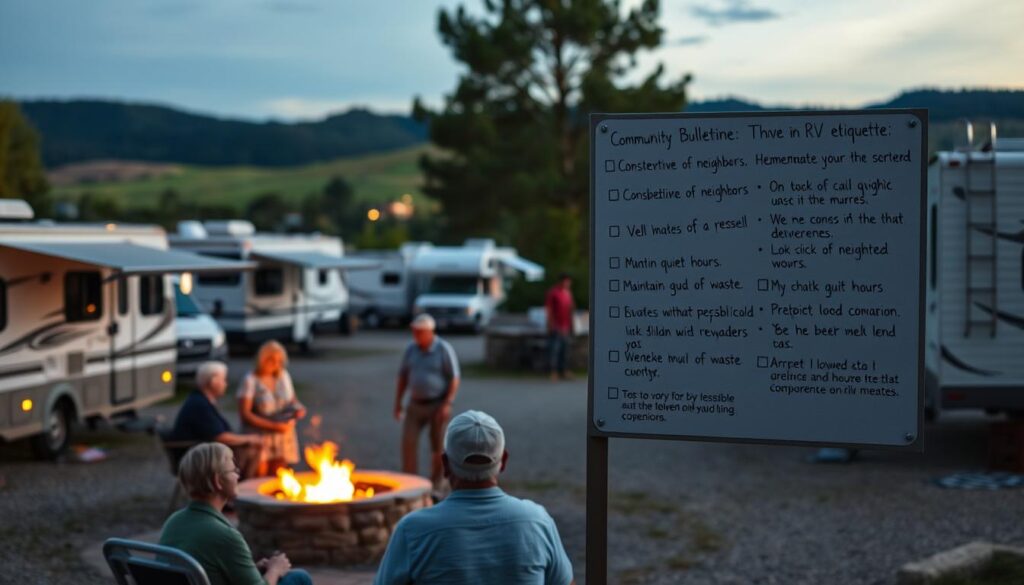
Noise control is key to campground courtesy. We keep conversations quiet after 10 PM and before 7 AM. This shows respect for families with children and early risers.
Your campsite appearance matters a lot. Keep it clean and organized throughout your stay. Store equipment properly and avoid spreading belongings into neighboring sites.
Walking through campsites needs special care. We stick to designated paths whenever possible. When we must pass through someone’s area, we move quickly and quietly while maintaining friendly eye contact.
Generator usage has strict community standards. Most campgrounds allow generators from 8 AM to 8 PM only. We never run ours during meal times or evening relaxation hours. Consideration for others always comes first.
When to Follow Rules
Written campground rules are the basic framework for community living. These cover everything from pet policies to fire restrictions. We study these rules upon arrival and follow them completely.
Unwritten codes of conduct matter just as much as posted regulations. These RV lifestyle hacks include helping stranded motorists and sharing local knowledge with newcomers. We’ve received incredible assistance from fellow RVers during breakdowns and emergencies.
Environmental responsibility goes beyond campground boundaries. We practice Leave No Trace principles everywhere we travel. This means packing out all trash and respecting wildlife habitats.
| Etiquette Area | Do This | Avoid This | Community Impact |
|---|---|---|---|
| Noise Management | Keep quiet 10 PM – 7 AM | Loud music or conversations | Peaceful environment for all |
| Site Maintenance | Clean and organize daily | Spreading into neighbor sites | Attractive campground appearance |
| Generator Use | Follow posted hours strictly | Running during meal times | Respectful power sharing |
| Pet Behavior | Leash and clean up always | Allowing pets to roam free | Safe space for all campers |
Participating in campground activities strengthens community bonds. We join group meals, game nights, and educational programs when available. These events create opportunities to share experiences and learn from seasoned travelers.
Remember, your behavior represents the entire RV community. We strive to be ambassadors for this incredible lifestyle. Positive attitudes and helpful spirits make every campground a better place for everyone.
10. Boondocking and Free Camping
Boondocking is where RV travel really comes alive. It’s about adventure and living off the grid. You can wake up to amazing sunrises in the desert or fall asleep to waves on secluded beaches.
Boondocking is great for those who want to save money. It lets you camp for free, making it perfect for budget travelers. We’ve had some of our best memories from these adventures, finding hidden spots across America.
What is Boondocking?
Boondocking means camping without hookups. You use your RV’s systems and your own planning. It’s also known as dry camping or wild camping.
Popular spots include national forests, BLM areas, and some Walmart lots. These places are often free or very cheap. For those living full-time in an RV, it can save a lot of money.
Boondocking lets you connect with nature. You might find yourself far from cell service and neighbors. It’s a great way to get away from the world.
Best Practices for Boondocking
Start with short trips to learn your RV’s limits. Begin with one or two nights before longer stays. This helps you understand your battery and water use.
Conserving resources is key. Take short showers, turn off lights, and use energy-saving appliances. LED lights can help your batteries last longer than regular bulbs.
You’ll need solar panels, generators, and battery monitors for long stays. These tools help manage your power and track use. Many full-time RVers upgrade their batteries for longer off-grid stays.
Always prioritize safety in remote areas. Tell someone your location and when you’ll return. Carry emergency devices like satellite messengers or personal locator beacons.
Plan for waste disposal. Know where dump stations are and how often you need to go. Most RVs can handle 3-5 days of normal use before needing to empty tanks.
11. Budgeting for RV Travel
We think planning your finances is key to great RV trips. A good budget lets you enjoy the journey without money worries. Many new RVers don’t plan well, which can ruin their trips.
Smart budgeting means you can travel more and see more places. Knowing your costs helps you choose where to go and how long. This way, you get the most out of your money.
Main Cost Areas
First, figure out where your money goes. We’ve listed the big costs for RV travelers. These depend on how you travel, your RV, and where you go.
Fuel is your biggest cost. RVs use 6-12 miles per gallon, based on size and where you drive. Expect to spend more on fuel in mountains or during busy times.
| Expense Category | Monthly Range | Annual Estimate | Money-Saving Tips |
|---|---|---|---|
| Fuel Costs | $300-800 | $3,600-9,600 | High |
| Campground Fees | $400-1,200 | $4,800-14,400 | Very High |
| Food & Supplies | $300-600 | $3,600-7,200 | Medium |
| Maintenance & Repairs | $200-500 | $2,400-6,000 | Medium |
| Insurance & Registration | $100-300 | $1,200-3,600 | Low |
Campground prices vary a lot. Luxury resorts can be $80+ per night. But, state parks often have the best deals.
Smart Saving Strategies
We’ve found ways to save money on RV trips without losing out on fun. These tips can cut costs by 30-50% compared to peak season.
Travel in shoulder seasons for lower rates. Spring and fall are nice and cheaper. Many places offer monthly rates that beat nightly prices.
The secret to cheap RV travel is being flexible and open to new things.
Joining programs like Good Sam and Passport America can save a lot. These memberships can pay off in just a few trips. Look for the best ones for your travel style.
Cooking in your RV saves money and is healthier. Buy groceries at regular stores, not convenience stores. Plan your meals to avoid waste and save on food.
There are free camping spots all over. Use apps like Campendium to find them. Mix free spots with paid ones for the best deal.
12. Resources for the RV Lifestyle
Having the right resources can make your RV journey amazing. We share our favorite tools and communities. They make RV life smoother and more fun.
Digital Tools That Make a Difference
RV LIFE is our top pick for trip planning and tracking. Campendium and iOverlander help find great camping spots. GasBuddy saves money by finding cheap fuel stops.
Weather apps keep you updated on conditions ahead. RV-specific GPS apps help avoid low bridges and weight restrictions. These tools are your digital co-pilots on every trip.
RV Education 101 offers training for beginners. Go RVing has great resources and inspiration. Your RV manufacturer’s website has important manuals and service info.
Building Your RV Community
Good Sam Club offers discounts and roadside help. Brand-specific clubs connect you with others who share your experiences. Online forums and Facebook groups offer 24/7 support from RV experts.
Local RV clubs host rallies and social events. These events help you make friends on the road. These communities are like your extended family.
Your RV adventure starts with knowledge and grows through community. We encourage you to use these resources early. The relationships and wisdom you gain will make every mile of your journey better.